
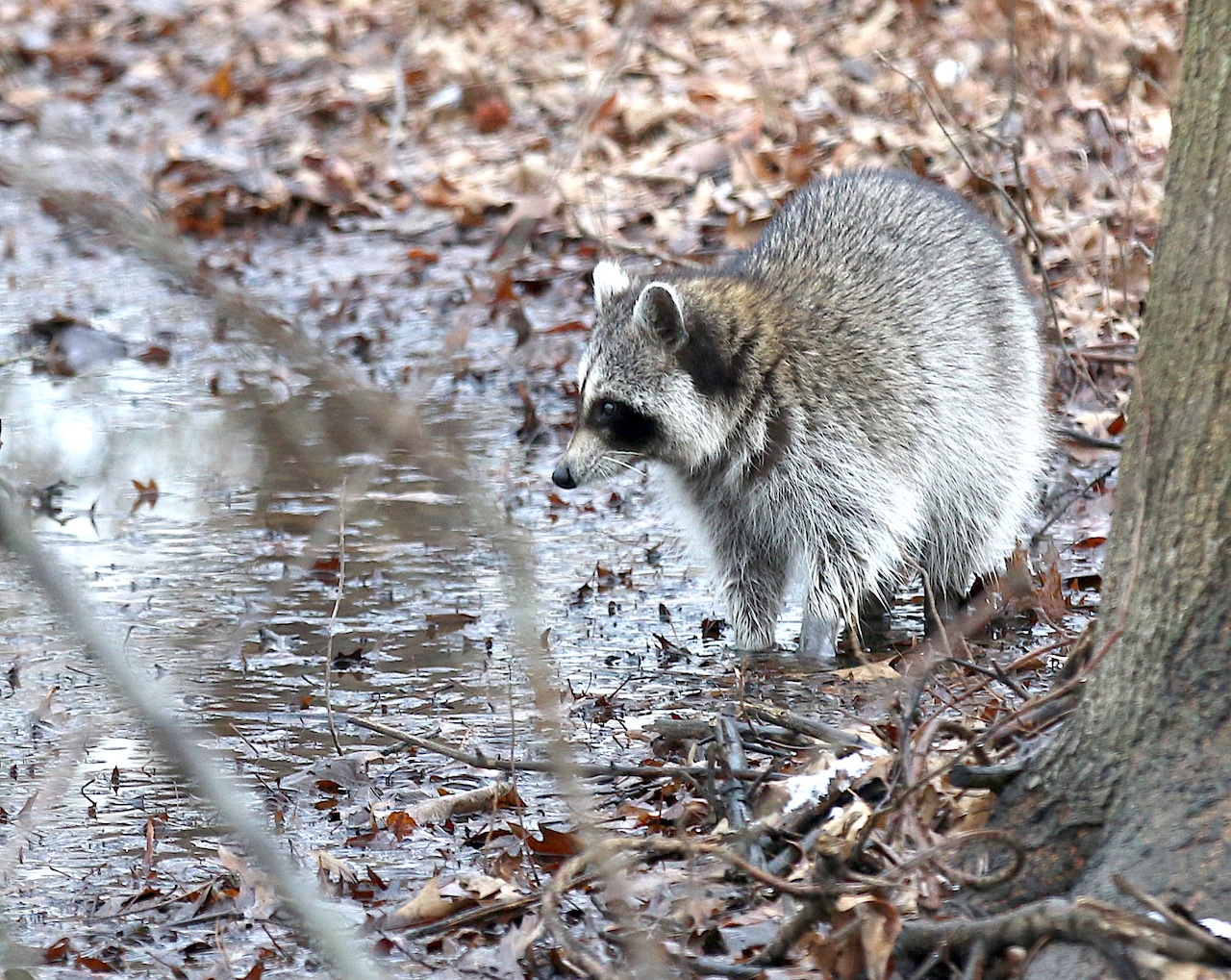
STATEN ISLAND, N.Y. — Staten Island is currently a rabies hotspot, city data shows, with more than two dozen cases reported across the borough since 2022 and a whopping nine cases reported in 2026 alone — almost half of the 21 cases documented across all five boroughs over the past eight months.
According to updated numbers released by the New York City Health Department last week, Staten Island has had the highest number of rabies-positive animals this year — nine rabid raccoons since February — followed by Queens, which documented one skunk and six rabid raccoons, and Brooklyn, where five rabid raccoons were found. The Bronx and Manhattan have not yet reported cases in 2026.
The numbers show a troublesome spike for Staten Island, which has averaged approximately five cases per year since 2022.
Staten Island rabies cases by year:
2025: Seven total. Six raccoons, one cat.
2024: Two total. One cat, one raccoon.
2023: Five total. Four raccoons, one cat.
2022: Six total. Three raccoons, two bats, one cat.
This year, the virus has appeared primarily in raccoons, most often in the borough’s residential areas, underscoring how frequently wildlife comes into close contact with people and pets on Staten Island.
Hanover Avenue and Palma Drive in Concord on Feb. 20Isabella Avenue and Whitehall Street in Oakwood on Feb. 26Forest Road and Jenna Lane in Dongan Hills on April 14Hylan Boulevard and Indale Avenue in Prince’s Bay on May 12Fairlawn Avenue and Fairlawn Loop in Great Kills on May 19Hanover Avenue and Palma Drive in Concord on June 4South Railroad Avenue and Bath Avenue in Dongan Hills on July 16Forest Hill Road and Stone Lane in New Springville on July 24Victory Boulevard and Cypress Avenue in Sunnyside on July 27
Citywide data shows that this year’s totals have already matched last year’s, prompting an oral rabies vaccination program for raccoons in select areas of Brooklyn and Queens in May. Staten Island was excluded from the program, however, despite having the city’s most steady caseload.
“Being excluded from this necessary vaccination program is unacceptable, it’s not right for the people of Staten Island, and intentional or not, this neglect needs to come to an end,” Borough President Vito Fossella said about the exclusion.
Rabies, which affects the nervous system of mammals, including humans, is typically spread through bites or contact with the saliva of an infected animal. In New York City, the virus is most commonly found in raccoons, bats and skunks.
NYC Parks specifically warns New Yorkers not to feed raccoons and to keep their distance because the animals can carry diseases transmissible to people and pets.
“Raccoons that appear dizzy and stumbling, or that don’t move away when humans get close may be in trouble,” the Parks Department notes on its website. “If you spot a raccoon behaving this way, with cloudy or crusty eyes, or foaming at the mouth, call 311. Our non-emergency city services number can contact the Urban Park Rangers, who will investigate and determine what steps are needed to help the animal.”