
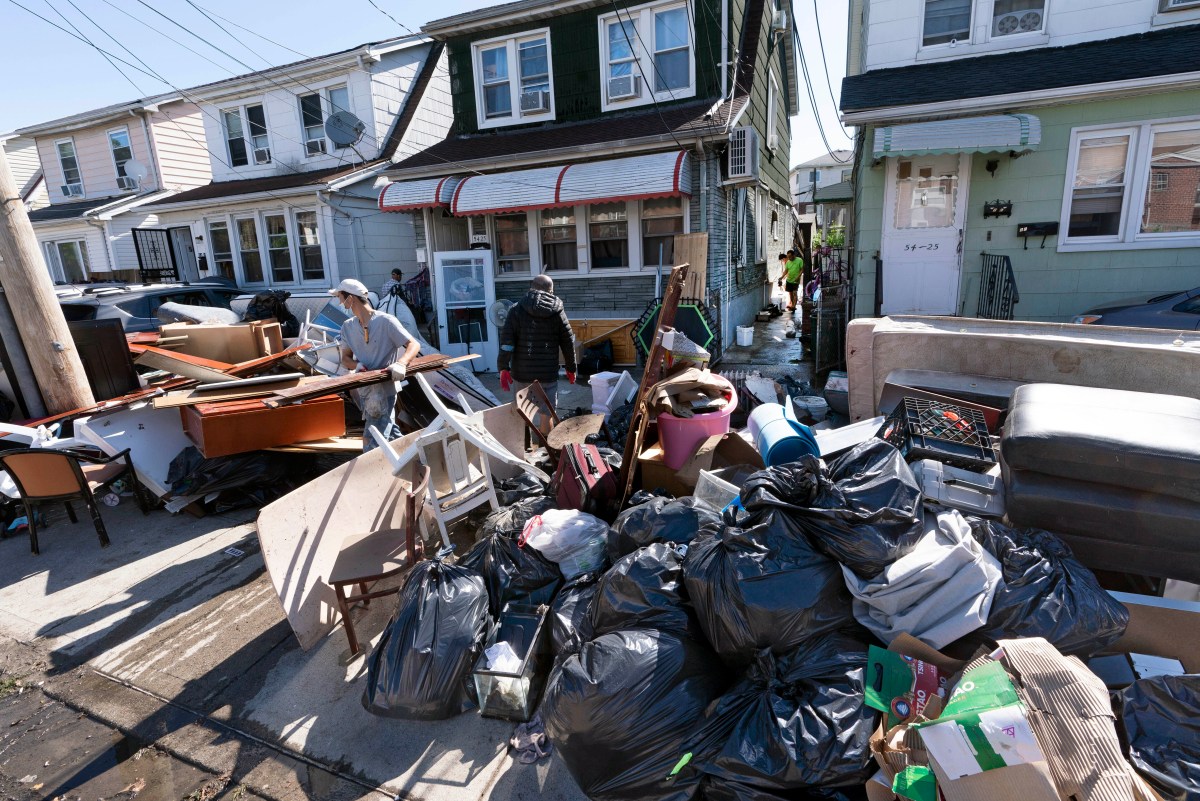
The images of flooding in New York City have become too familiar: torrents of water rushing down subway steps, cars submerged in streets, families wading through their own homes with soaked belongings and no clear plan for what’s next.
This isn’t just for rare hurricanes anymore — it’s a new climate reality for any storm. Rain is falling harder and faster than our stormwater systems were built to handle. Across New York City, more than 94,000 housing units in one- to four-unit residential buildings are at risk of severe damage during flood events.
It’s been five years since Hurricane Ida, and storms still dump inches of rain that overwhelm drainage infrastructure in a matter of minutes. The homes hit hardest often belong to those who can least afford to recover: homeowners with little financial cushion to handle unexpected damage.
Homeowners in NYC’s high-risk neighborhoods face a 1 in 4 chance of flooding during a 30-year mortgage, and even a few inches of flood water can cost tens of thousands of dollars. At the Center for NYC Neighborhoods, we’ve spent the last 13 years helping homeowners navigate flood prevention and recovery. We’ve seen the impact of programs that support families in flood-prone communities. We also see widespread gaps in aid and information.
New York’s homeowners need solutions to both prepare for flood risks and recover afterward with timely payouts and reliable support.
Resources like FloodHelpNY help homeowners take practical steps: documenting important belongings and receipts for any major capital expenses, setting aside cash for emergency funds or paying down an insurance deductible, securing the right insurance options, and understanding their community’s risk to different types of flooding.
The Resiliency Audit Program gets professional engineers into homes — at no cost — to identify each home’s specific flood and stormwater risks, creating a full report of their risks and available solutions. Once risk is assessed, housing counselors help homeowners apply for grants or loans to implement the engineer’s recommendations through programs like Resilient Retrofits.
Homeowners also need better insurance and emergency financial assistance after disasters. The Flood Recovery Fund, an experimental public-private partnership inspired by international parametric insurance models, is structured to provide immediate emergency cash to New Yorkers after a storm.
Models like these should be funded and scaled to spur similar innovative programs that deliver more timely, holistic, and reliable recovery funds to New Yorkers in need. As federal support becomes uncertain, this will require sustained state and local public investment.
New York also has an opportunity to lead in policy solutions through the Insure Our Communities Act, which would increase transparency around where coverage is lacking and protect communities from unfair non-renewals. It would create an evaluation model for insurance companies that is similar to the state and federal Community Reinvestment Act, which encourages banks to better meet the needs of homeowners.
New York City is on the frontlines of the climate fight, and now, five years after Ida, we must ensure that our most at-risk homeowners aren’t left behind.
Tools like FloodHelpNY, programs like the Flood Recovery Fund, Resiliency Audit Program, and Resilient Retrofits have demonstrated that we are capable of implementing resources that families need. What’s needed now is funding to scale existing resources and develop new ones to protect homeowners.
New Yorkers are resilient, but that shouldn’t mean rebuilding alone after every storm. Real resilience means a city that stands with its homeowners year-round — preparing, protecting, and ensuring that the families most at risk are never left to fight floods on their own.
Peale is the CEO and executive director for the Center for NYC Neighborhoods.