
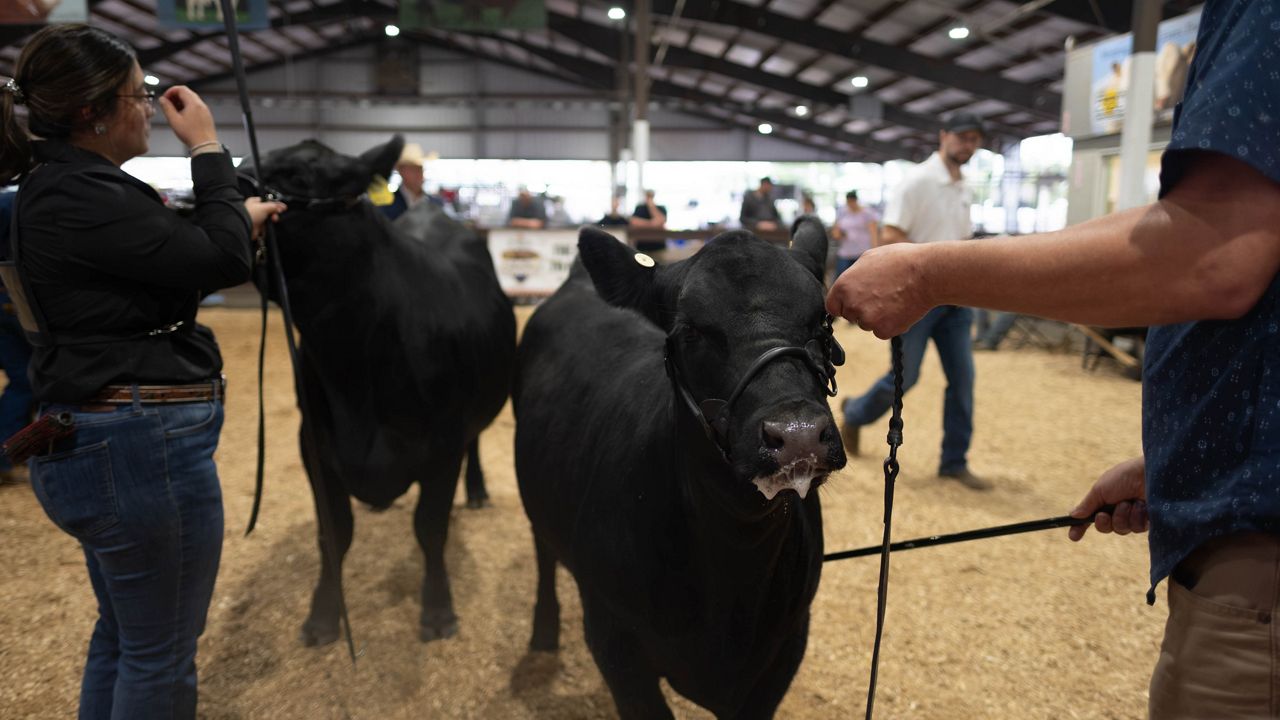
Last week, President Donald Trump announced he will allow beef into the U.S. from other countries without a tariff. New York beef producers said this could undercut their market.
“As a beef producer in the United States right now, I know there’s a lot of challenges facing the industry as a whole. The cow herd size is down, tariffs. There’s lots of trade negotiations going on,” said Gabby Glenister, a beef producer from Highway Meadows Farm in Pulaski.
Glenister and her family raise black angus cattle and sell beef directly to consumers.
“Our current administration, in my opinion, is not supportive of American agriculture. They’re looking to go outside of the United States to source beef and other products,” Glenister said.
As of Sept. 1, the Trump administration will allow up to 300,000 metric tons of beef into the U.S. from other countries without a tariff. It’s a move that Trump said will lower the price of beef by 25%.
“Ultimately, it will impact not only the price of beef but our input costs as well as seed, fertilizer, fuel, and things like that,” Glenister said.
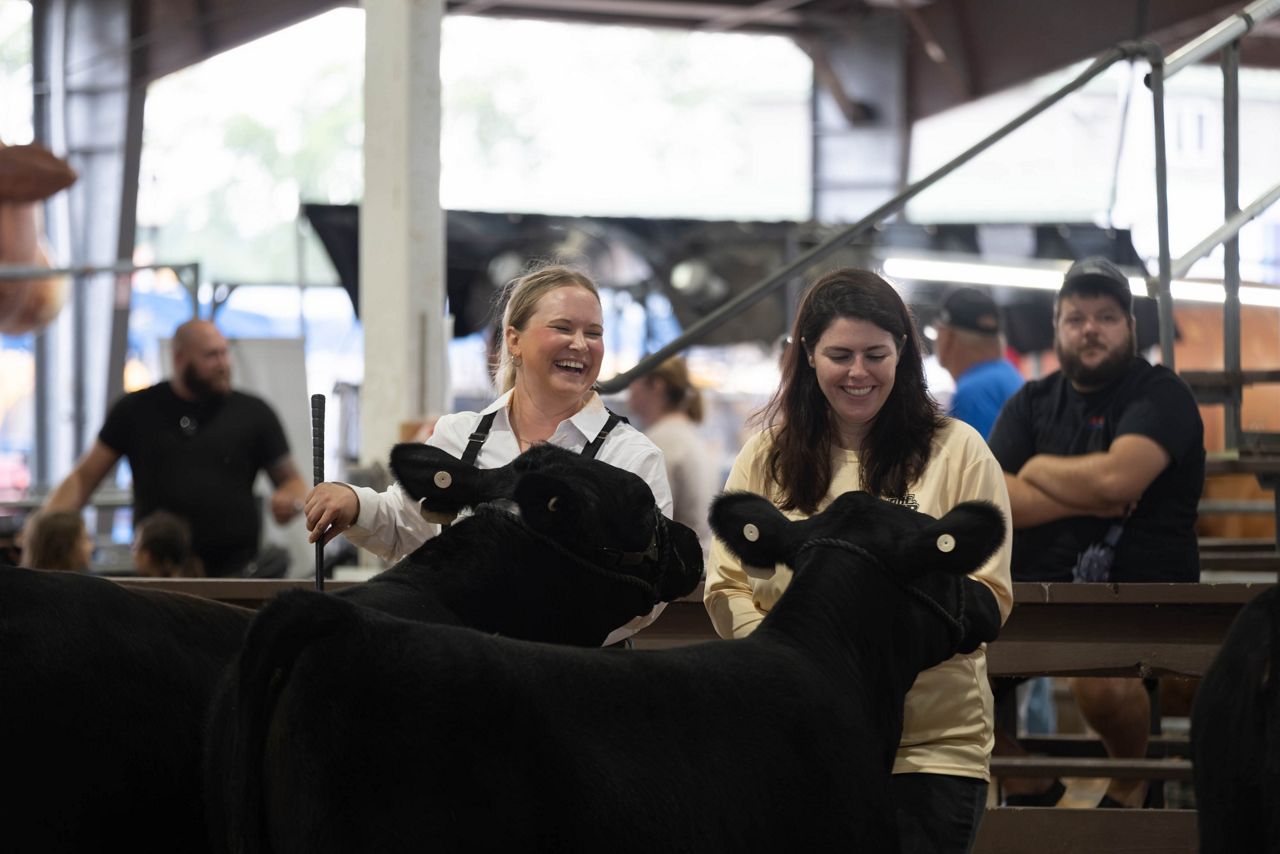
Glenister (left) showing her cattle. (Spectrum News 1/Emily Kenny)
American Farm Bureau President Zippy Duvall said in a statement that the decision is detrimental to American agriculture.
“One of the few bright spots for U.S. agriculture right now – the cattle sector – just became dimmer because of today’s presidential proclamation. The timing of this proclamation is a gut punch to ranchers’ bottom line,” Duvall said in a statement. “A strong domestic food supply is easy to take for granted until it’s gone.”
According to an analysis from the AFBF, nearly every input item for cattle producers is more expensive today than ever before.
“Record ground beef prices are the result of the lowest beef cow inventory since 1971, driven by drought-forced liquidation and production costs have jumped nearly 30% since 2020,” the analysis found.
Additionally, the 90-day import window occurs during the same time when 70% of spring-born calves are born, which could work against producers trying to rebuild the national herd, the analysis said.
New York State Commissioner of Agriculture Richard Ball said the decision has made New York beef producers feel uneasy.
“It’s hard to see how that helps the beef industry grow here. I think the biggest enemy is uncertainty,” Ball said. “For our own producers, I think they see this as a confusing signal. ‘Do I grow my business here or not?’ “
The U.S. Department of Agriculture has been in the process of changing how beef sold in grocery stores is labeled, but it has yet to be finalized. In July, U.S. Secretary of Agriculture Brooke Rollins said the department launched a campaign to adopt a label identifying meat, eggs, and poultry products as “products of the USA.”
“The product of the USA label gives consumers confidence that the meat, poultry and egg products they purchase come from animals born, raised, harvested and processed right here in the United States,” Rollins said in a press release.
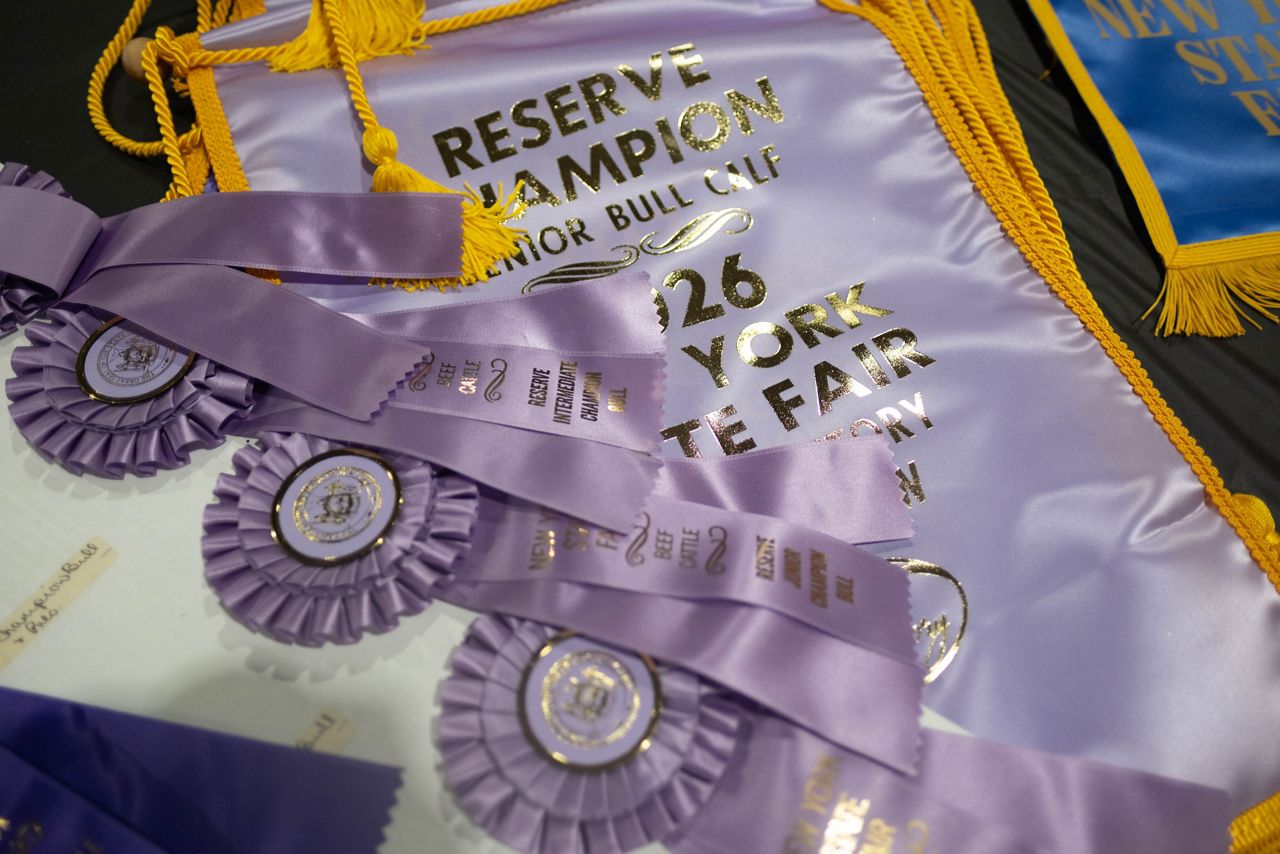
Ribbons on the table in the beef barn. (Spectrum News 1/Emily Kenny)
However, Ball said because this hasn’t been fully implemented, it could lead to confusion for consumers.
“It’s hard to know and it’s hard to trace. We know what we do in the United States. What kind of standards we have. In New York, for example, we are very familiar with that and intimately involved with that. When something is coming from another country, I think it’s fair for a consumer to question how it was raised, how it was handled, how it was processed,” Ball said.
The USDA monitors and tracks good coming in and out of the country, and the department does require inspections, but Ball said the best way to know where meat is coming from is to purchase from a local producer.
“For me, the economic benefit as well as the local flavor, knowing where your food comes from, that’s New York. That’s what we’re all about. That’s what we hang our hats on every day,” Ball said.