
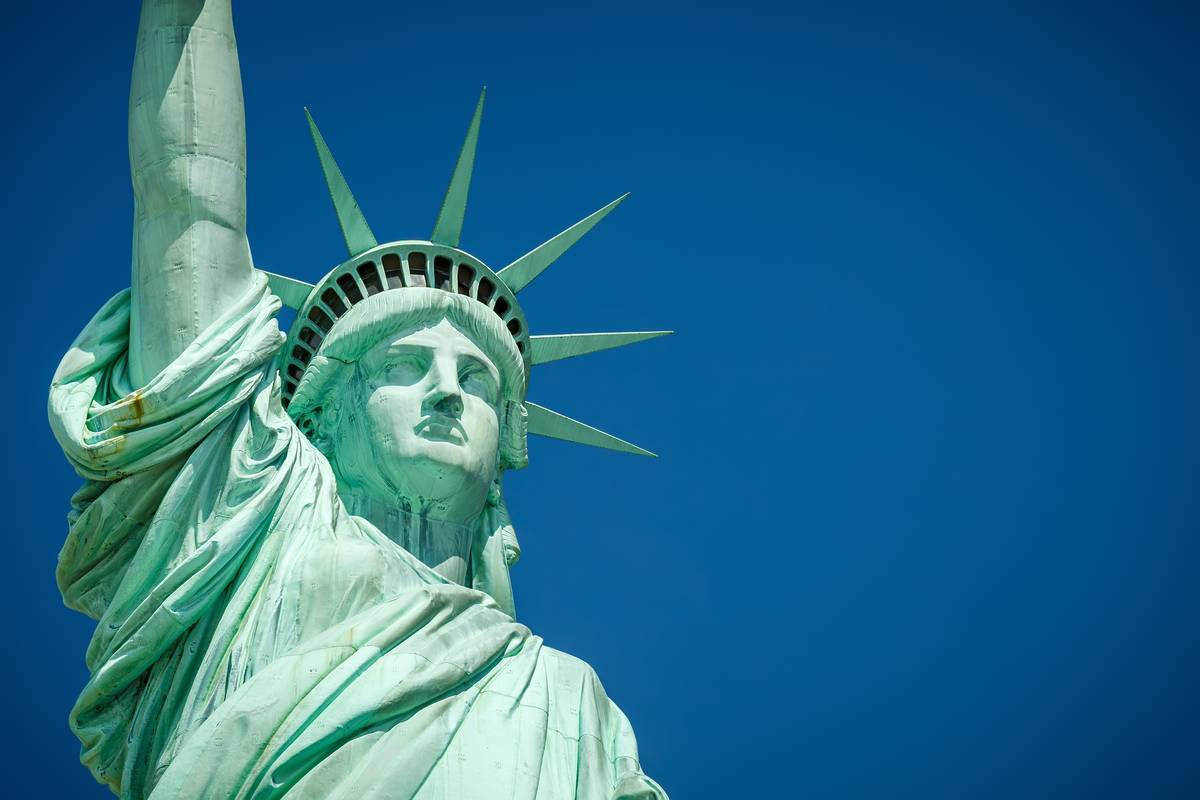
Ask most New Yorkers what they know about the Statue of Liberty, and you’ll get the same two or three facts everyone learned in school. Two of the most common ones aren’t quite right…
She’s been standing in New York Harbor since her dedication on October 28, 1886, and in that time she’s picked up a couple of myths that even people who grew up looking at her every day tend to repeat. Around 3.8 million people visit her every year, and most of them would tell you the color and the torch’s access have always looked exactly like they do now.
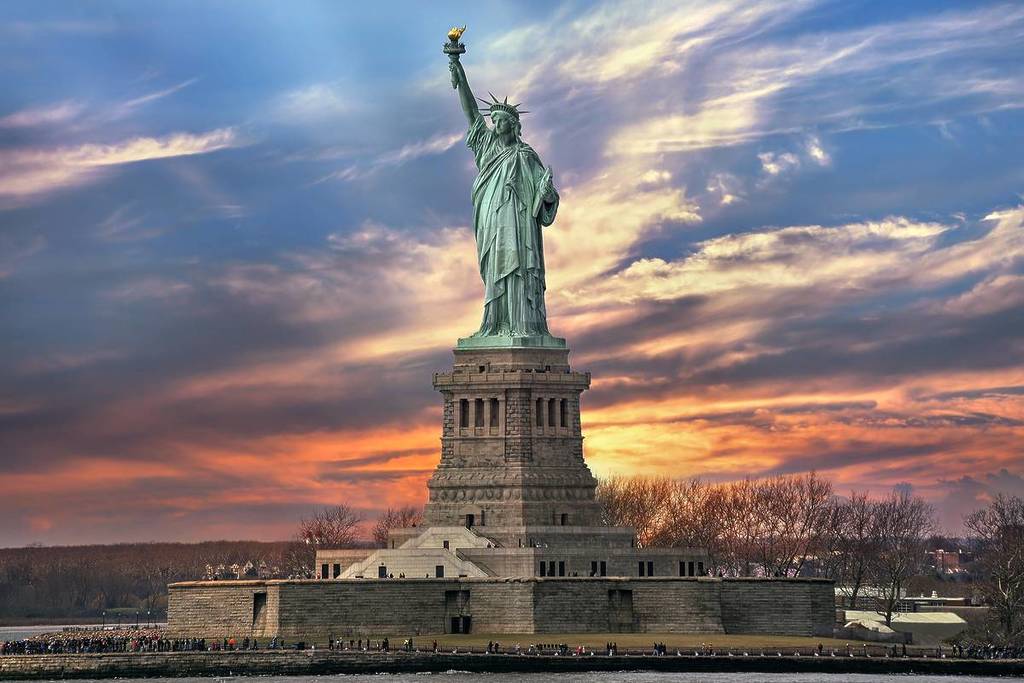
The Statue of Liberty wasn’t always green
 Getty Images / Istvan Kadar Photography
The statue’s skin is 3/32 of an inch of copper, about the thickness of two pennies, and copper that thin doesn’t stay green on its own. When she was unveiled, the statue was a dull, reddish-bronze, closer to the color of a new penny than the seafoam she’s known for now.
The National Park Service puts the change at roughly 25 to 30 years: oxygen and salt air off the harbor reacting with the copper to form patina, the same greenish coating that shows up on old bronze statues everywhere. Nobody has an exact date for when she finished changing color, since color photography of the statue barely existed yet, but by the early 1900s the transformation most people assume was always there had already happened.
Statue of Liberty & Ellis Island: Entrance + Tour of 9/11 Memorial & Wall Street
The patina isn’t just cosmetic, either. That same greenish layer acts as a protective seal, which is part of why the copper skin underneath has needed so little structural repair compared to the iron framework holding it up. The bronze newcomer New Yorkers occasionally compare her to today is closer to what tourists in 1886 actually saw than the statue in front of them now.
The torch you can’t climb to
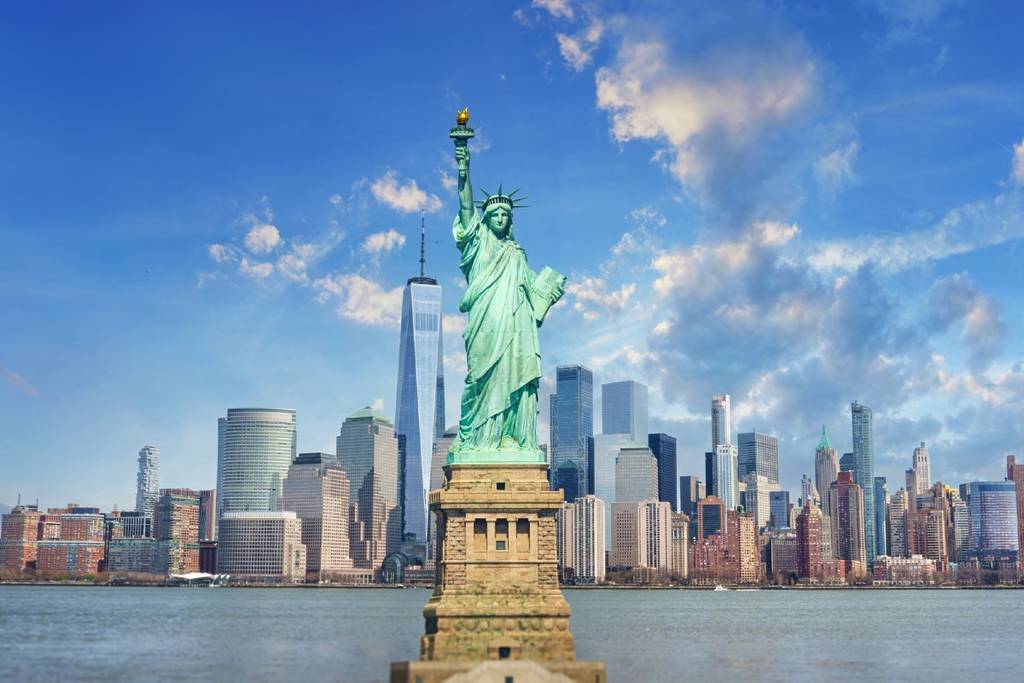
The other mix-up is about access. Visitors who climb the 377 steps to the crown sometimes assume they’re near the torch, or that it was simply closed for crowd control. It’s neither. The torch has been off-limits to the public since July 30, 1916, when the Black Tom explosion damaged the statue and closed the staircase leading to the torch.
 Shutterstock / Igor Link-
The explosion happened at a munitions depot across the harbor during a German sabotage operation, and the blast was powerful enough to damage the torch arm and leave shrapnel embedded in the statue’s right side. While the rest of the statue remained structurally intact, the original torch was eventually replaced decades later.
What visitors see today isn’t even the original flame. The current torch, a copper flame covered in 24-karat gold leaf, replaced the 1886 version in 1986. It’s lit from inside, and park staff use a 40-foot ladder to reach it for maintenance.
Visitors can still get a close look at the gold flame and green patina by booking Statue of Liberty tickets with priority ferry access to Liberty Island and a stop at Ellis Island.