
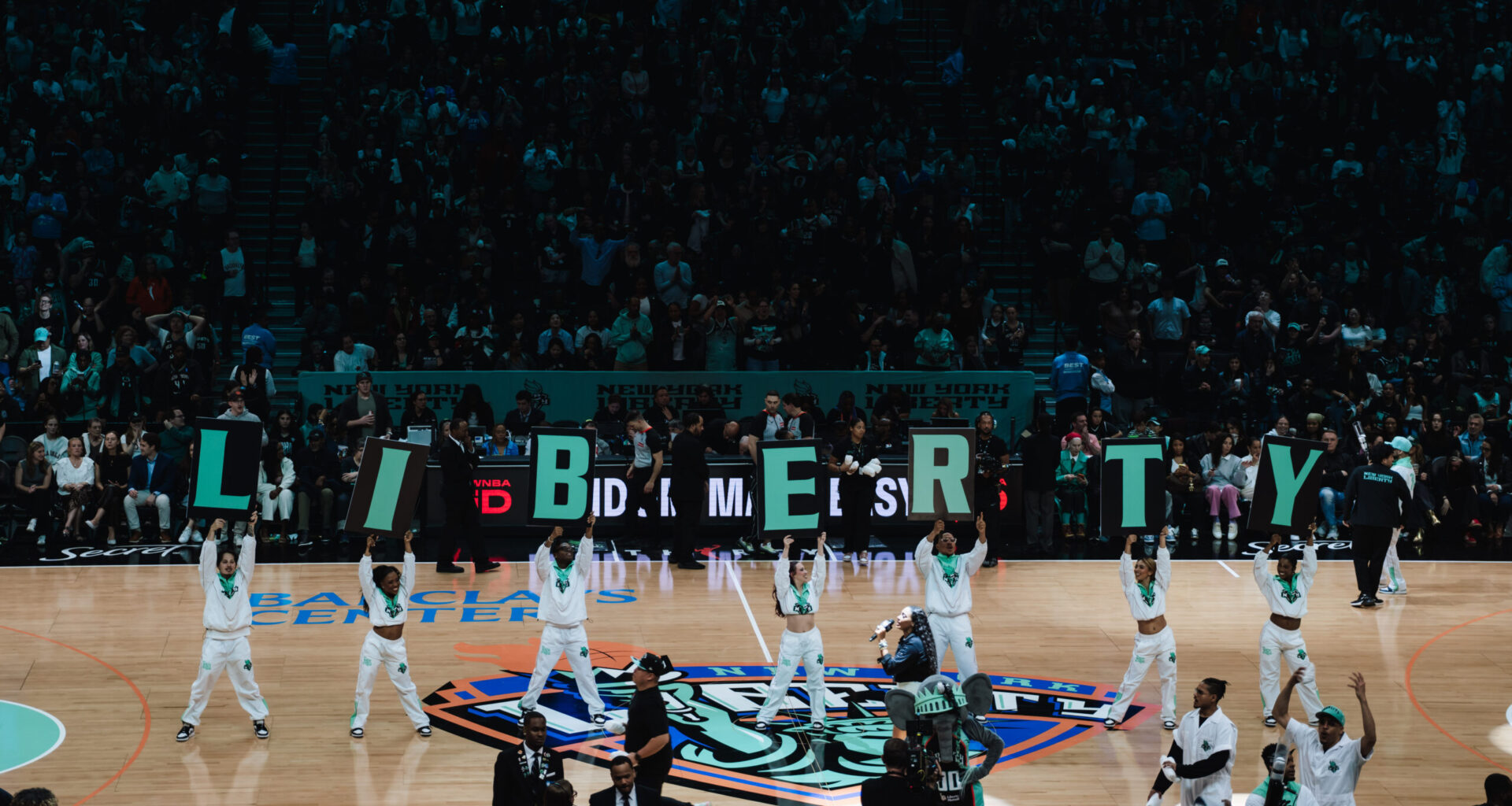
For decades, the basic economics of professional sports were relatively straightforward. Put together a competitive team, sell tickets, sponsorships and media rights, and fill the building. Sam Zussman believes the opportunity today is considerably larger.
 Photographer_Frank Frances Digital Tech_Olivia Demetros
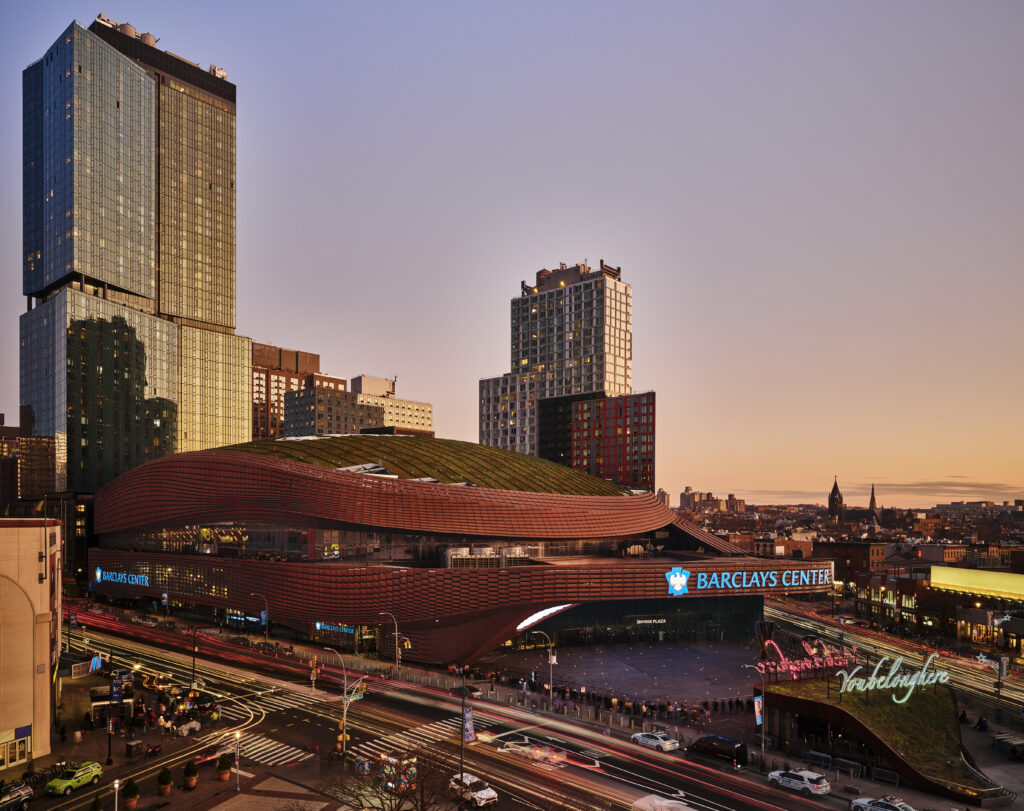
As CEO of Brooklyn Sports & Entertainment, Zussman oversees an increasingly diverse collection of businesses that includesBarclays Center, Brooklyn Nets, New York Liberty, Brooklyn Basketball, BKMAG and a growing hospitality operation. Under owners Joe Tsai and Clara Wu Tsai, those assets are being brought together around the broader idea to use sports as the foundation for a year-round relationship with consumers and, in the process, make Barclays Center and the surrounding neighborhood an even more important destination for entertainment, culture and hospitality.
The strategy reflects both the changing economics of professional sports and Zussman’s own view of the business. After beginning his career at McKinsey, he spent 16 years at IMG, eventually overseeing a global portfolio that stretched well beyond traditional sports into art, food and entertainment. What drew him to Brooklyn four years ago was the opportunity to apply those lessons to a collection of assets backed by owners willing to think beyond the next season.
“What really drew me most to that was the runway that I believe we have and the long-term view that they have,” Zussman says of Joe and Clara, citing their willingness “to invest long term and to invest in the community and in the product.”
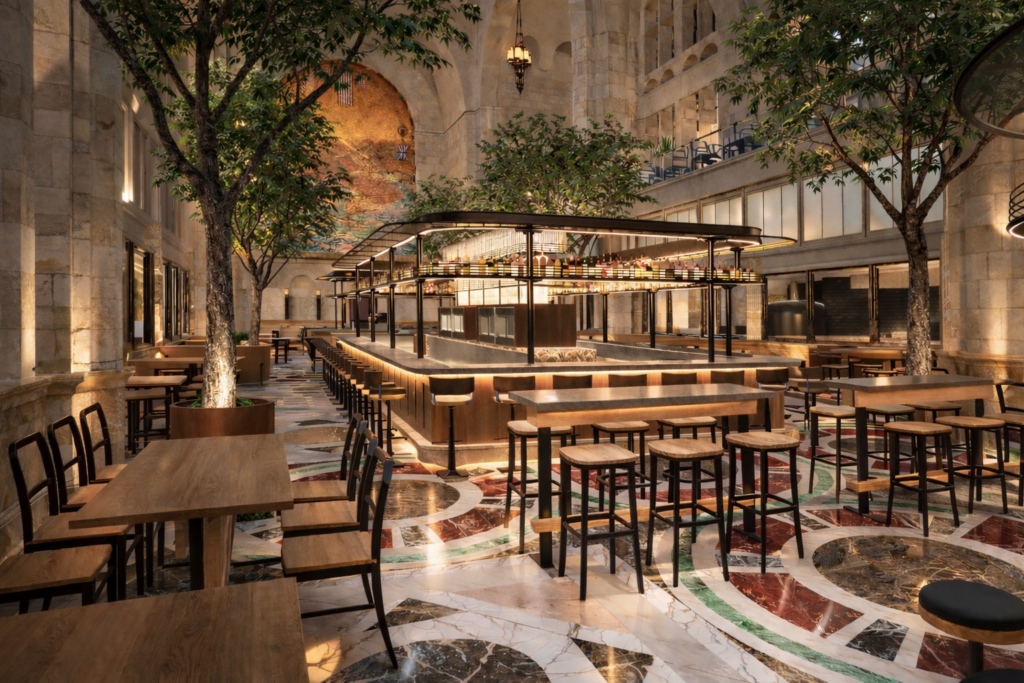
That investment is increasingly visible throughout Brooklyn. New hospitality concepts are changing how fans experience games and concerts. Brooklyn Basketball is reaching tens of thousands of young people. A growing content and media operation keeps audiences connected when they are nowhere near the arena. And with Casa Tua Cucina opening at One Hanson Place in 2027, Brooklyn Sports & Entertainment is beginning to expand its hospitality footprint beyond Barclays Center itself, creating another destination for local residents and visitors and extending the organization’s relationship with guests beyond a game or concert.
“We’re not just in sports,” Zussman says. “We’re in entertainment and hospitality.”
And increasingly, Brooklyn Sports & Entertainment is in the business of Brooklyn itself.
Zussman’s expansive definition of the sports business comes partly from watching how consumers experience it. At IMG, where his responsibilities included sports, media and events across some 30 countries, he came to see sports as what he calls “a vertical of entertainment.” The game matters, of course, but so does everything surrounding it. The music, the food, the people and, most importantly, the shared experiences are more valuable now than ever.
Technology has made watching sports from home objectively easier. A fan can watch on a 75-inch television, pause the action, see instant replays and statistics, eat whatever they want and avoid the cost and friction of attending in person.
By that logic, live sports should be losing ground. Instead, demand continues to grow.
“You want the moment in real time,” Zussman says. “You want to high five the other person. You want to feel the energy. You want to hear the noise. You want to say that you were there when something historic happened.”
The lesson for Brooklyn Sports & Entertainment is that getting people into the building is only the beginning. If consumers are willing to leave the convenience of their homes for a live experience, the entire experience needs to justify that decision.
That thinking is behind the more than $150 million transformation underway at Barclays Center, the largest renovation project in the arena’s history. The five-year investment spans the arrival experience, premium hospitality, food and beverage, merchandise, technology, contemporary art and improvements throughout the concourses.
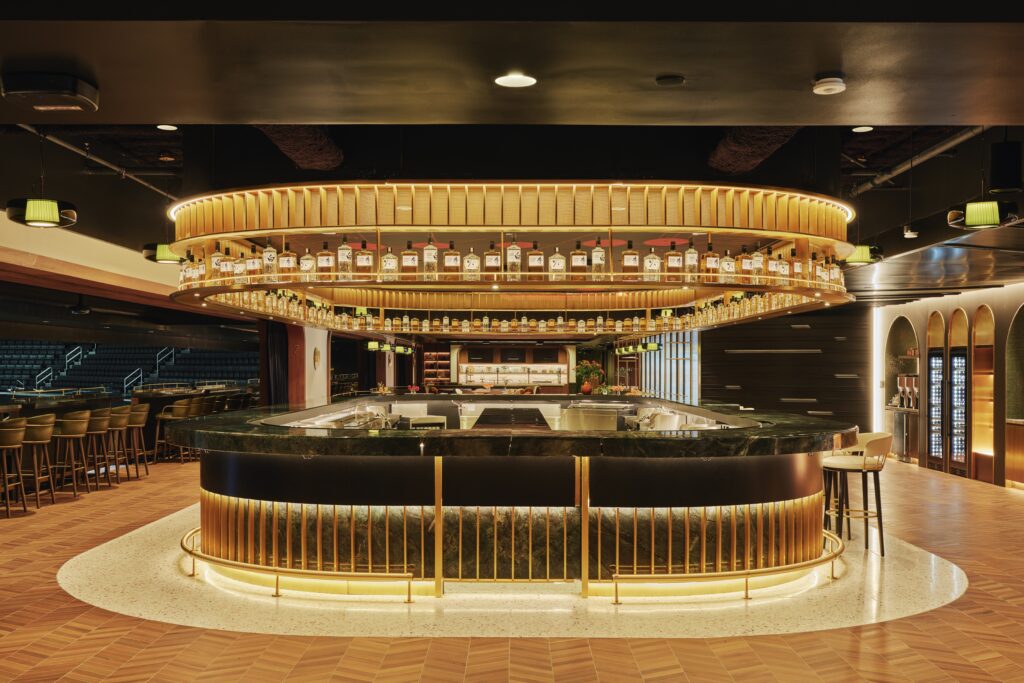
Some of the most significant changes came from listening to fans. Guests increasingly said they wanted places where they could gather with other people rather than simply arrive, sit in an assigned seat and leave. That feedback informed several new social and hospitality spaces throughout the arena, including The Toki Row, a 192-guest club inspired by a Brooklyn brownstone, JetBlue at The Key, a 252-guest social club, and Modelo Bridge, a two-level destination in the upper bowl and the arena’s largest bar.
“A month from now, whether we won or lost might be less important to your overall feeling when you recount how your evening went than everything else,” Zussman says. “Did you enter easily? Were people welcoming? Was the environment clean and inviting? Was the food good? How was the service, the music and the energy around you?”
For Zussman, those are not secondary operational questions, they are strategic ones. Even the person checking a ticket, serving food or inspecting a bag is part of the product because every interaction has the ability to improve or diminish a guest’s experience.
The same philosophy is pushing Brooklyn Sports & Entertainment beyond the arena.
Its various businesses increasingly function as an interconnected ecosystem. A Nets or Liberty game introduces someone to Barclays Center. A concert can bring an entirely different consumer into the organization. Brooklyn Basketball can establish a relationship with a child and family. BKMAG can maintain a connection to Brooklyn culture every day. Hospitality can extend that relationship before and after an event, or create a reason to engage when there is no event at all.
There is a broader ambition for the neighborhood surrounding the arena. Barclays Center already brings millions of visitors into Brooklyn, supporting jobs, businesses and economic activity. The opportunity now is to translate that traffic into more year-round activity.
Zussman sees that role as both an opportunity and an obligation.
“When you come to run a business, you sort of have to think about, in a bigger sense, what does the business mean?” he says. “What opportunities do I have? And what responsibilities do I have?”
Joe Tsai and Clara Wu Tsai have made community investment an important part of their ownership. Zussman points to their involvement in Brooklyn, including the Social Justice Fund, and to the broader role the Nets and Liberty can play in creating a sense of identity and belonging in a borough that, if it were its own city, would rank among the largest in America.
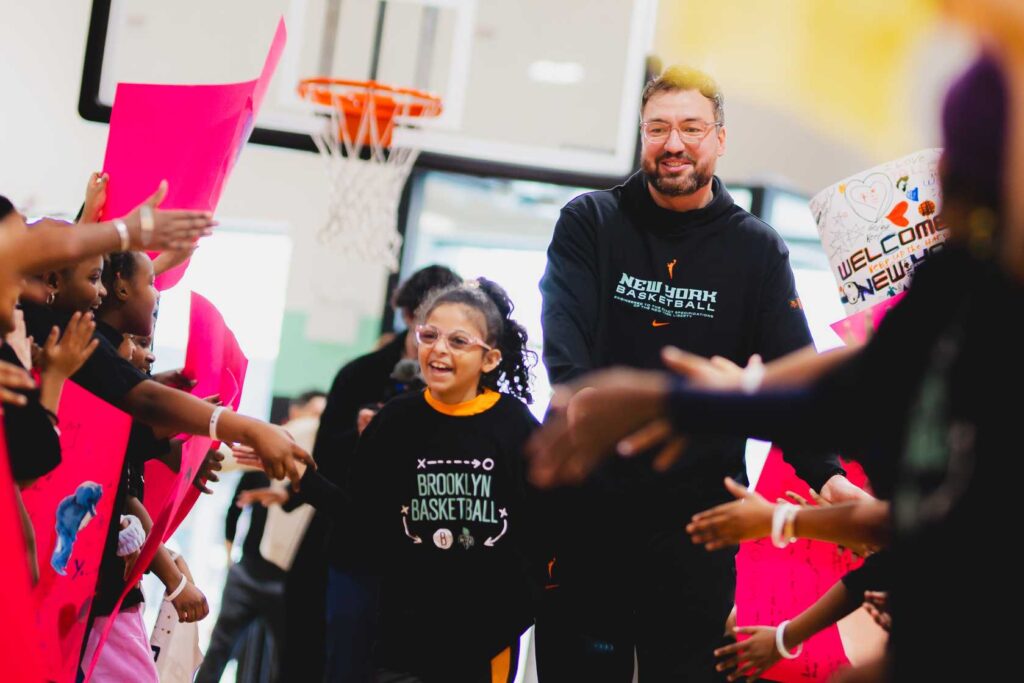
Perhaps the clearest example is Brooklyn Basketball, which reaches approximately 50,000 young people annually through more than 250 New York City public schools and the Brooklyn Basketball Training Center. The 18,600-square-foot, multi-court facility sits directly across from Barclays Center and serves as a year-round home for training, camps, clinics, advanced development and dedicated all-girls programs. It also incorporates Shoot 360 technology used by NBA and collegiate programs, along with space for students to do homework and parents to gather.
“Imagine that you are 10-years-old and you’re playing there with other kids from Brooklyn and your coach is telling you, if you do everything right and if you work hard enough, one day you can play right over here across the street,” he says. “Think about what that can do to shape individuals and to shape a community.”
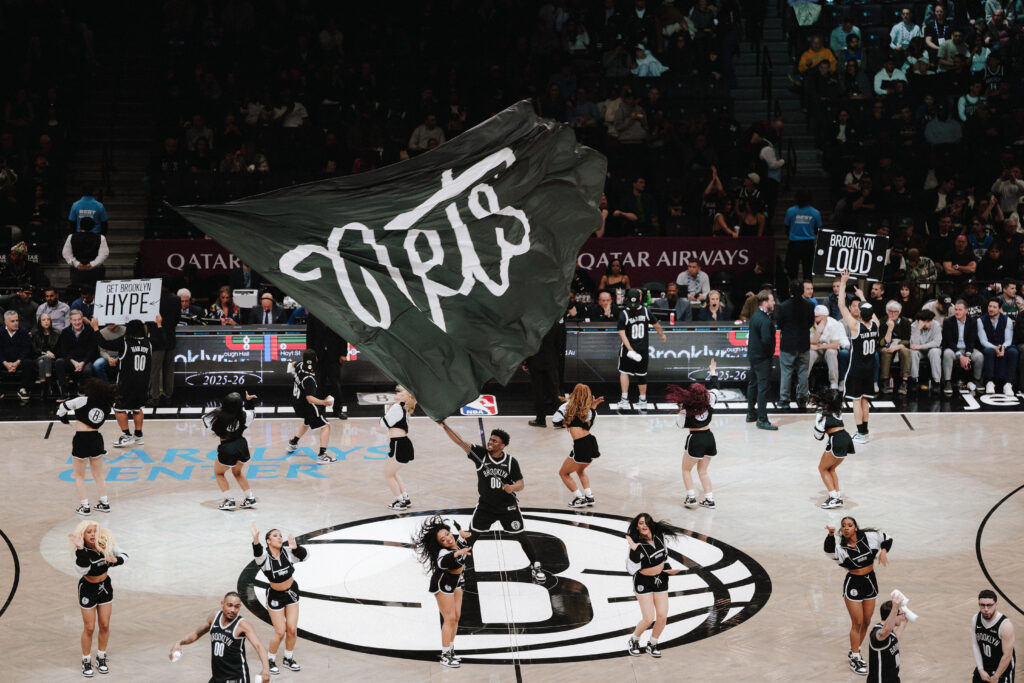
It can also create the next generation of fans. That is where community impact and business strategy begin to reinforce one another. A child introduced to basketball at eight can become a Nets or Liberty fan at 12, attend games with family at 16 and maintain that relationship decades later.
Technology and data are helping Brooklyn Sports & Entertainment understand and strengthen those relationships. Technology can reduce friction around entry and navigation and make communications more relevant. Behind the scenes, data can inform staffing, ticketing, pricing, food and beverage, marketing, hospitality and capital investment.
But the objective is not technology for technology’s sake. It is to better understand what consumers want and make their experiences more personal and intuitive.
That becomes especially important when those consumers are not physically at Barclays Center. Zussman recalls former NBA commissioner David Stern observing that the overwhelming majority of a team’s fans may never visit its arena. Even for those who do, they will spend almost all of their lives somewhere else.
That makes year-round engagement essential. Brooklyn Sports & Entertainment has invested heavily in content designed to meet fans on the platforms they already use, giving them access not only to highlights but to players, coaches, locker rooms and the “stories behind the stories.”
“I think that is what creates emotional connection,” Zussman says.
And emotional connection may be the most valuable currency in the modern sports business.
It can turn a piece of merchandise into a statement of identity, a youth clinic into a lifelong affiliation and an arena into something more meaningful than the building where the game happens.
For Brooklyn Sports & Entertainment, whatever it creates needs to feel distinctly Brooklyn.
“Brooklyn is the epicenter of creation, of innovation, of artists, of designers, of musicians,” Zussman says. “That means merchandise should have a Brooklyn edge, hospitality should reflect the borough and seeing an artist at Barclays Center should somehow feel different from seeing that same performer in another arena.”
That may ultimately be the larger bet Joe Tsai,Clara Wu Tsai and Sam Zussman are making. Sports remain at the center, but the opportunity around them is expanding. Teams can become media businesses. Arenas can become hospitality destinations. Youth programs can build both stronger communities and future fans. And a sports organization can become an increasingly important participant in the economic and cultural life of the place it calls home.
For Brooklyn Sports & Entertainment, the goal is no longer simply to give people a reason to come to Brooklyn for a game or concert.
It is to give them reasons to keep coming back.