
New York City is rolling out new measures to bolster its response to Legionnaires’ disease following a deadly outbreak on the Upper East Side, officials said Tuesday.
As part of its efforts, the city’s Health Department and Department of Buildings will work more closely together to identify unregistered cooling towers, Mayor Zohran Mamdani said in a release.
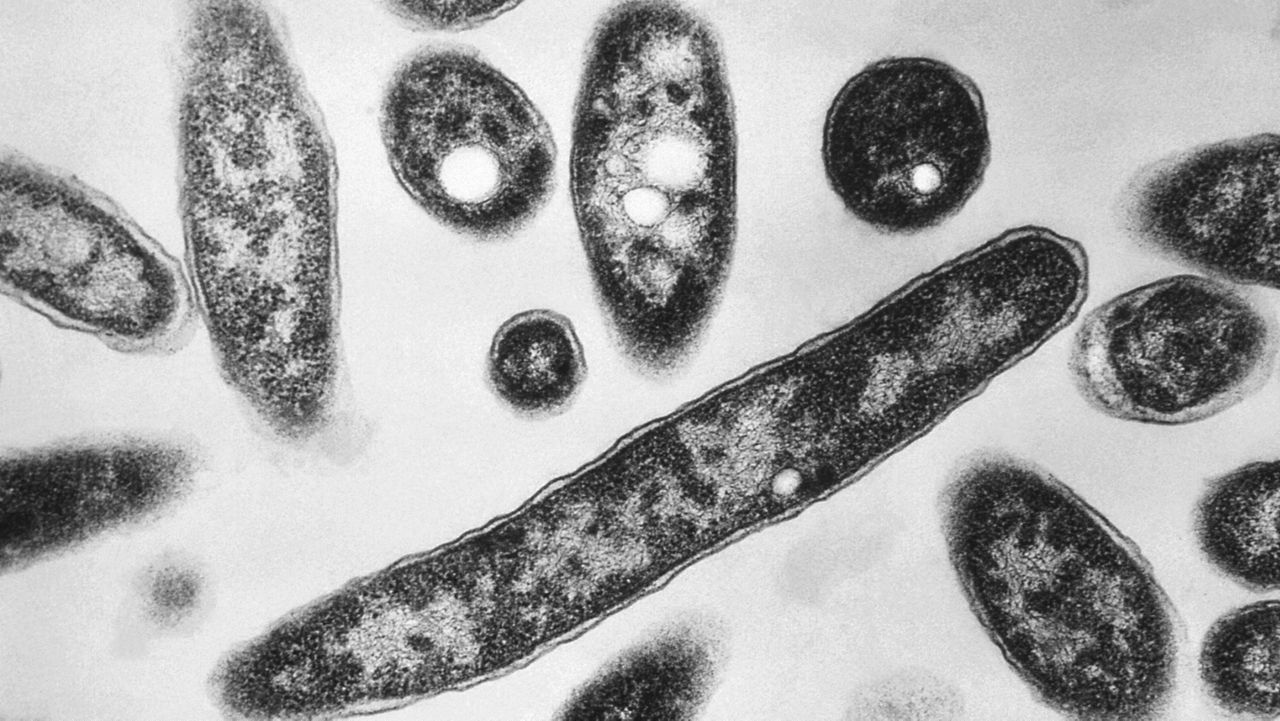
Legionella bacteria can grow and spread in cooling towers if they aren’t properly maintained, according to the Centers for Disease Control and Prevention.
To increase transparency, the Health Department will add a mapping feature to its existing database of registered tooling towers, according to the release.
The city will also look into faster testing methods, work to speed up cooling tower violation enforcement and form a scientific advisory panel that will evaluate new cooling tower technology and cooling systems, the release said.
Eleven people died in connection with a Legionnaires’ outbreak on the Upper East Side this summer, and dozens more were sickened, health officials said.
On Friday, the city’s health commissioner, Dr. Alister Martin, said there was “no evidence of ongoing transmission” in connection with the outbreak, but added that the Health Department’s efforts were ongoing.
“While the cluster has been closed for 4 weeks, our scientists continue working to match samples from cooling towers with samples from patients,” Martin wrote on social media. “We expect those findings in September, and we will share them publicly.”
The city’s handling of the outbreak faced criticism from officials including City Council Speaker Julie Menin, who called the response “insufficient” and said communication with residents was lacking.
The council is holding an oversight hearing Wednesday to examine the city’s response, with several councilmembers expected to introduce legislation meant to prevent another outbreak.
In a statement Tuesday, Mamdani defended his administration, saying it responded to the Upper East Side cluster “with urgency and an unprecedented level of action.”
“When New Yorkers’ health is at stake, government cannot wait for the crisis to pass before asking how it can do better,” he said. “Our response to the Upper East Side cluster was fast and aggressive, and we are building on what we learned to make our systems stronger, enforcement faster and public health response more transparent.”
City Hall said as of late August, 81% of the five boroughs’ cooling towers were in compliance with monthly sampling and testing requirements.
More than 460 of 800 field inspections conducted by the Health Department since May 8 resulted in at least one violation, it added, with $80,500 in fines collected.