
Across New York State, downtown revitalization has become a powerful catalyst for economic development, community investment, and quality-of-life improvements.
Through programs such as New York Forward communities are leveraging targeted public investment to strengthen historic downtowns, support local businesses, create housing opportunities, and attract new residents and visitors. But successful revitalization requires more than funding alone. It relies on meaningful community engagement, strategic planning, and a clear path from vision to implementation.
Ian Nicholson, Associate Principal | Advisory at Buro Happold, has spent years helping communities navigate that process. From the statewide Reimagine the Canals initiative to leading New York Forward planning efforts across the Capital Region, Ian works at the intersection of planning, economic development, stakeholder engagement, and implementation.
In this conversation, he shares insights into how strategic investment can transform small downtowns, the importance of community-led decision-making, and the role Buro Happold plays in helping local governments turn ambitious ideas into lasting change.
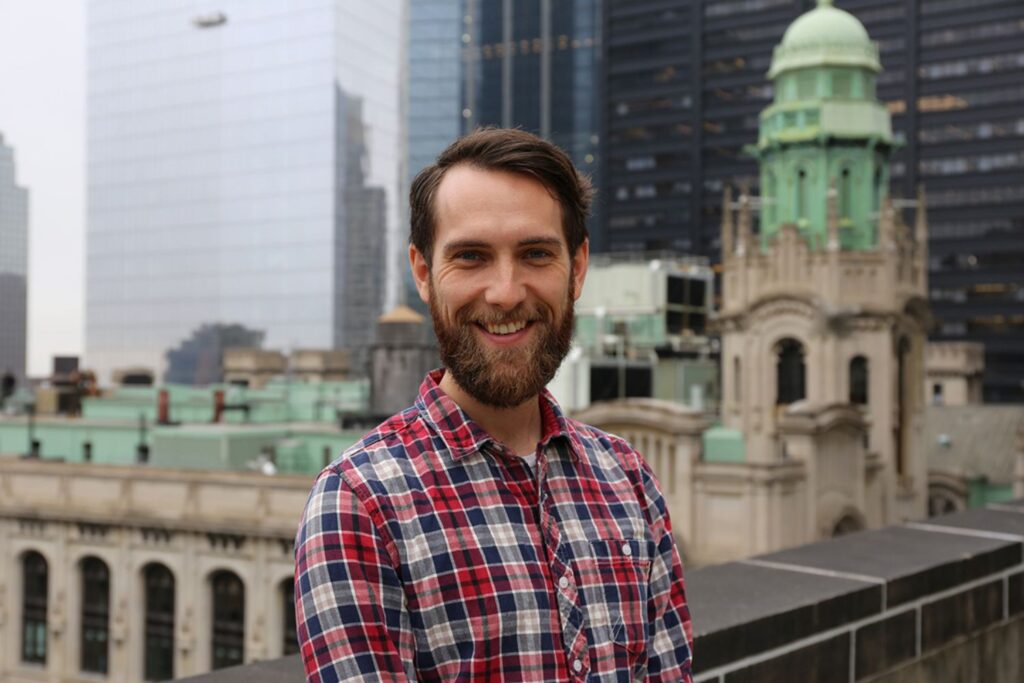 Ian Nicholson, Associate Principal | Advisory at Buro Happold. Image: Buro Happold.
Through Reimagine the Canals, we worked with state agencies, local leaders, and community stakeholders across New York to explore how strategic investment could strengthen local economies and improve quality of life. New York Forward felt like a natural next step.
Ian Nicholson, Associate Principal | Advisory
Why small downtowns matter
Q: Small towns across New York are competing for residents, businesses, and investment. What role can a program like New York Forward play in changing a community’s trajectory?
Nicholson: The New York Forward program is designed to support smaller downtowns across the state through targeted investments that help move projects from concept to completion. While $4.5 million may seem modest compared to larger capital programs, its impact is amplified by concentrating funding within a compact downtown area.
By investing in multiple projects at once, communities can create visible change, strengthen historic downtowns, and build momentum for long-term revitalization.
Q: New York Forward builds on the success of the Downtown Revitalization Initiative but focuses on smaller communities. What makes revitalization in these downtowns both challenging and rewarding?
Nicholson: Each community establishes a Local Planning Committee made up of residents, business owners, and other stakeholders with deep ties to the downtown. In smaller communities, you’re often stepping into long-standing relationships and community conversations, so a key part of our role is helping create a productive, future-focused process where everyone feels heard.
Many project sponsors are not professional developers. They’re local business owners, nonprofit organizations, and property owners with varying levels of experience and resources. As consultants, we help them strengthen applications, refine project concepts, and prepare projects for implementation.
One example involved a supportive housing organization in Greenwich that initially proposed a modest renovation. Through the planning process, we encouraged them to think bigger and explore an expansion that would create additional housing units. They refined the proposal, ultimately secured funding, and significantly increased the project’s impact.
That’s what makes this work so rewarding. Even a handful of well-executed projects can transform a downtown, create housing opportunities, support local businesses, and improve quality of life for residents.
What makes the program especially impactful is its community-driven approach. Through workshops, public meetings, and outreach efforts, residents help shape their downtown’s future, creating lasting partnerships that extend well beyond the planning process.
Ian Nicholson, Associate Principal | Advisory
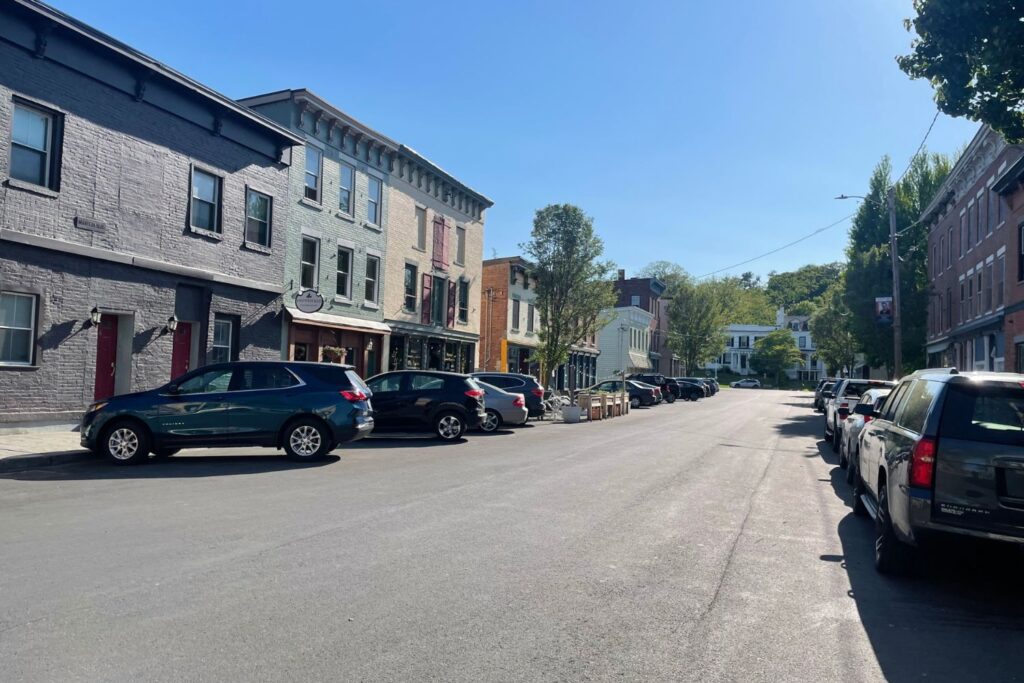 Coxsackie is leveraging its natural beauty, walkable downtown, and small-town character to foster a vibrant community where people can live, work, and play – supported by investments in housing, arts and culture, public spaces, and economic growth.
Identifying opportunities for impact
Q: When you walk into a New York State community like Cambridge, Coxsackie, or Kinderhook, how do you identify the projects that can have the greatest long-term impact?
Nicholson: Every community is different, so we approach each downtown with an open mind, looking for opportunities that align with local priorities and can deliver lasting benefits. One of the most interesting aspects of the program is that project ideas come directly from property owners, business owners, nonprofit organizations, and community groups. Our role is to help evaluate those ideas and guide the decision-making process.
Working with the Local Planning Committee, we establish an evaluation framework and assess projects based on their ability to deliver long-term community, economic, and placemaking benefits. Drawing on our planning, economic development, and implementation experience, we help identify investments that can create meaningful change, whether that’s revitalizing a historic asset, strengthening connections between key destinations, expanding housing opportunities, or creating new economic activity.
In Kinderhook, for example, there was an opportunity to better connect downtown, nearby parks, and the Empire State Trail, creating a stronger public realm and encouraging more visitors to spend time in the community. In Hoosick Falls, a relatively modest investment helped support a new game shop, creating a destination that brought new visitors and activity downtown.
One of the key lessons from this work is that impact isn’t always measured by project size. While visible redevelopment projects can play an important role, smaller strategic investments often generate significant community benefits and build momentum for future growth. Often, our greatest value comes from helping sponsors strengthen their proposals, refine project scopes, and identify opportunities to maximize the return on public investment.
Q: The program focuses on catalytic investment. What makes one project transformative while another has a more limited impact?
Nicholson: The most transformative projects are often highly visible, such as redeveloping a vacant site, rehabilitating a long-neglected building, or activating an underutilized property. But the real strength of the program comes from pairing those larger investments with a broader mix of complementary projects.
While a single project rarely transforms a community on its own, a coordinated set of investments within a compact area can create a powerful cumulative effect. That geographic focus helps build momentum, strengthen community confidence, and deliver a level of change that is greater than the sum of its parts.
Q: Many historic communities are trying to balance preservation with growth. How do you help residents embrace change while protecting local character?
Nicholson: Preserving historic character while supporting economic growth is an ongoing conversation in every community. Many of these downtowns have tremendous architectural and cultural value, but they’ve also faced decades of disinvestment and are looking for ways to reinvest without losing what makes them unique.
Because projects are proposed by local property owners and organizations, investment priorities are community driven. Our role is to help communities evaluate opportunities holistically, considering housing, economic development, public space, and historic preservation as complementary goals rather than competing priorities.
Every community has a different vision for growth, and our job is to help build on existing strengths while creating a downtown that remains vibrant, resilient, and authentically local.
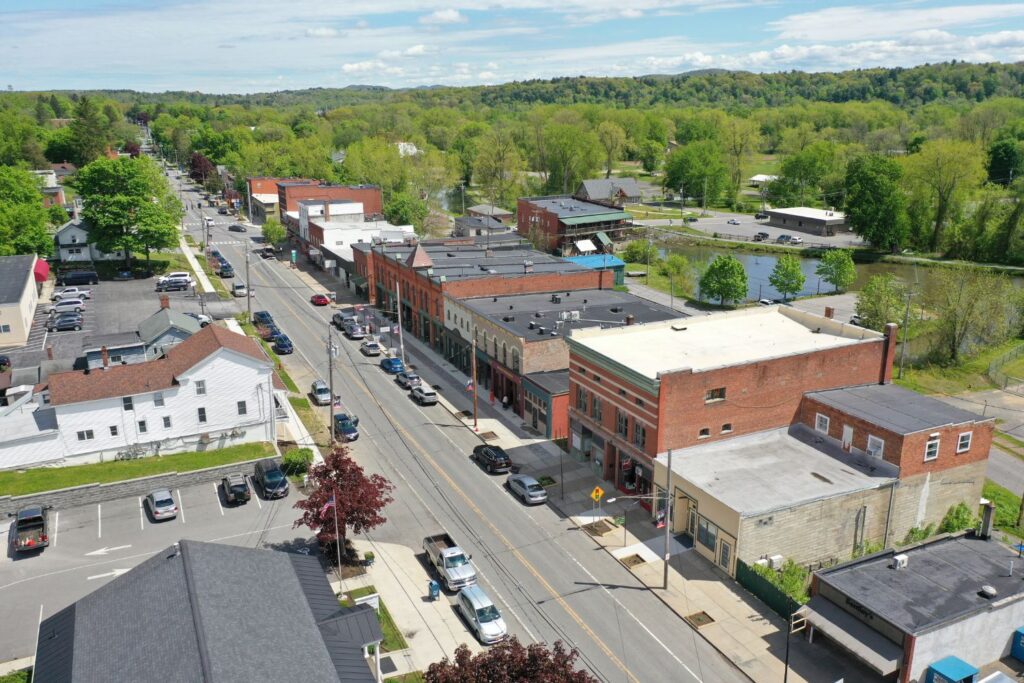 From streetscape improvements to new public spaces, the NY Forward program is helping reimagine the heart of New York communities. Image: Stock Studios Photography.
Delivering results
Q: Small communities often have ambitious goals but limited resources. How do you determine which investments are most likely to succeed?
Nicholson: One of the most important factors we consider is sponsor capacity. Even the strongest project idea can’t create community benefits if it never gets built. We work closely with sponsors to understand their readiness, resources, and implementation plans, ensuring proposed projects are both impactful and feasible.
Beyond individual projects, we take a portfolio approach, assembling a collection of investments that work together to maximize community impact. Ultimately, this is a capital investment program focused on implementation. The goal is to move projects forward and deliver visible improvements that support long-term economic vitality and quality of life.
Q: What makes Buro Happold particularly effective in programs like New York Forward?
Nicholson: Our role extends beyond planning. We help communities move from ideas to implementation by combining economic development, stakeholder engagement, urban planning, transportation, infrastructure, and delivery expertise. That multidisciplinary perspective helps us identify investments that are not only transformative, but achievable.
Q: What does success look like five or ten years after a revitalization effort is complete?
Nicholson: Success starts with projects getting built and investments being realized within the community. But the broader goal is for those investments to be catalytic, attracting additional private investment, supporting new business activity, increasing foot traffic, and encouraging continued revitalization.
When communities begin to see reinvestment, stronger local businesses, and continued growth beyond the original funding, that’s when the program is having its intended effect. The most successful downtowns are those where an initial investment becomes the foundation for long-term positive change.
Looking ahead
Q: What lessons from New York Forward could help communities across New York and beyond create more vibrant, resilient downtowns?
Nicholson: What sets both New York Forward and the Downtown Revitalization Initiative apart is that they go beyond traditional planning. They pair community priorities with real funding, clear implementation pathways, and accountable project delivery.
Most importantly, it leads to action, resulting in projects that can be built, investments that can be realized, and improvements that people can see and experience in their communities.
Q: As a partner to local governments and stakeholders, what role does Buro Happold play in helping communities navigate this process?
Nicholson: We’ve been fortunate to build strong relationships with the communities and planning committees we’ve worked with. A key part of our role is helping stakeholders navigate the process with confidence and ensuring investments align with the community’s goals.
We help communities evaluate opportunities, prioritize investments, navigate funding requirements, and move projects from concept to implementation.
Ultimately, our goal is not only to deliver a successful investment plan, but to help communities build the momentum, partnerships, and confidence needed to bring their vision to life.