
New York’s private colleges and universities are facing fiscal challenges and enrollment declines that advocates warn could lead to more closures without additional support from the state.
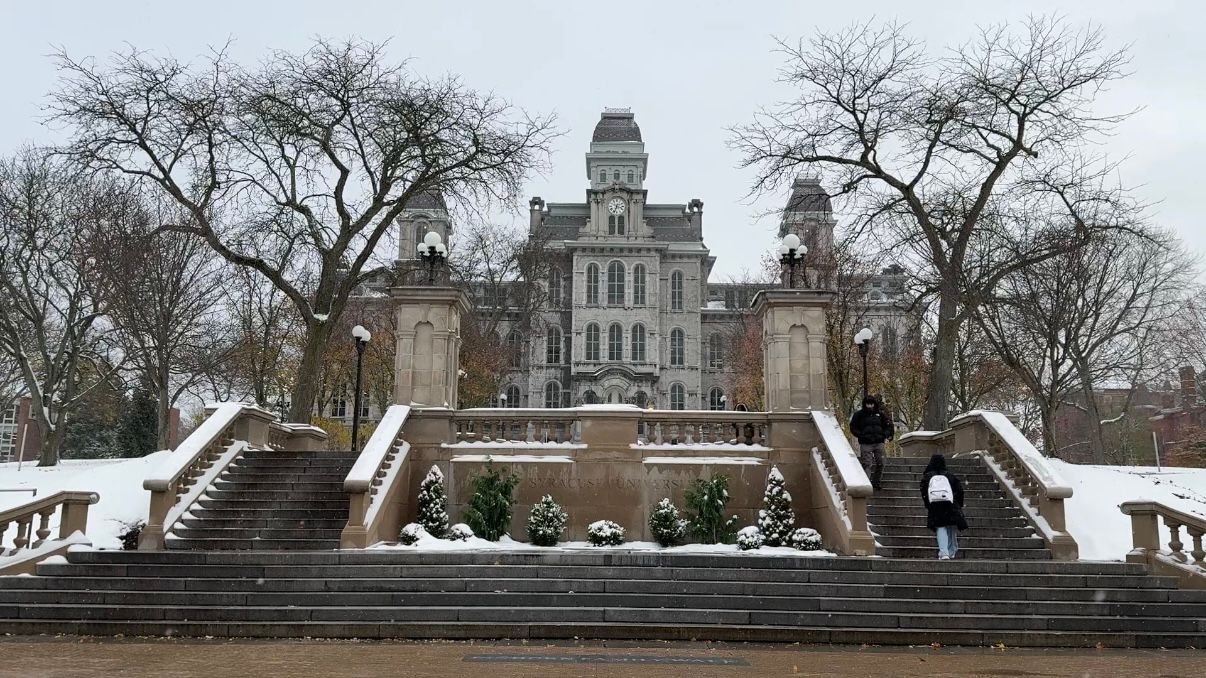
With the new school year getting underway, those close to the issue say a combination of factors are putting pressure on institutions across the state, from small colleges that serve as local economic engines to major institutions like Syracuse University.
Good government group NYPIRG has been sounding the alarm over funding levels for months. Senior Policy Advisor Blair Horner told Spectrum News 1 that state support has eroded over decades largely because New York has strayed from a pledge made to private institutions as the State University of New York system expanded decades ago.
“The state promised in 1968 to provide resources to offset any potential downsides to that happening,” Horner said. “How do you turn a promise into long-term reality?”
Horner says a start would be New York acknowledging it has the resources to reverse course.
With the next state budget process approaching, NYPIRG is sounding the alarm about what it sees as inadequate support for the independent higher education sector.
Horner said that Bundy Aid — the primary form of unrestricted state assistance for private institutions — needs a significant boost to more closely match funding rates provided in earlier decades.
NYPIRG data shows Bundy aid falling off substantially after the late 1980’s with schools receiving millions less in Bundy Aid after being adjusted according to the consumer price index.
He also argues the state should recalibrate rules governing its assistance programs.
“With a $270 billion budget, the state has a couple hundred million to invest on guaranteed rate of return economic development, but it chooses not to,” Horner said.
Horner argued that investment would provide a guaranteed form of economic development because private colleges and universities can have a significant economic footprint in the communities where they are located.
“The path that the state is on is one that closes down basically the only economic development game in town,” Horner said.
Recent closures have illustrated the potential impact. Cazenovia College closed in 2023, while the College of Saint Rose in Albany shut down the following year, both with a clear impact on the community and big questions over what would happen to their facilities and nearby housing stock.
State Sen. Pat Fahy has experienced the fallout from the Saint Rose closure firsthand in her Albany district.
“We do need to maintain our investments because this is also in many cases upstate local economic development. These colleges are integral to the communities they serve,” Fahy said.
But Fahy added that the causes of the financial strain facing private colleges are wide-ranging, including demographic and enrollment pressures in the post-COVID era. Current enrollment declines are expected to transition into an enrollment cliff in the coming years.
She also pointed to a developing picture of how the recent loss of international students is impacting schools, citing both recent changes in student visa policy by the Trump administration and broader immigration-related concerns.
“When you lose your international students — they are not getting any subsidies, they are not getting any loans from our government, they pay full freight when they come here and Syracuse University, I think, charges about $70,000,” Fahy said.
The Commission on Independent Colleges and Universities is also calling for continued state investment in the sector.
“New York’s private, non-profit colleges and universities are essential partners in expanding opportunities for New Yorkers, strengthening communities, and driving our state’s economy. State investment must recognize the critical role the Independent Sector plays in one of the largest higher education ecosystems in the nation, President Lola W. Brabham said in a statement. “Bundy Aid was created to help preserve the strength and economic vitality of New York’s independent colleges and universities. But the program has declined significantly from historic levels, even as institutions face rising costs and increasing demands to serve students and prepare the leaders of tomorrow. Strengthening this investment helps ensure New York’s colleges and universities remain vital economic, workforce, and cultural anchors. New York’s private, non-profit colleges and universities stand ready to work with Governor Hochul and the Legislature to build on New York State’s commitment to students, and communities across the state.”