
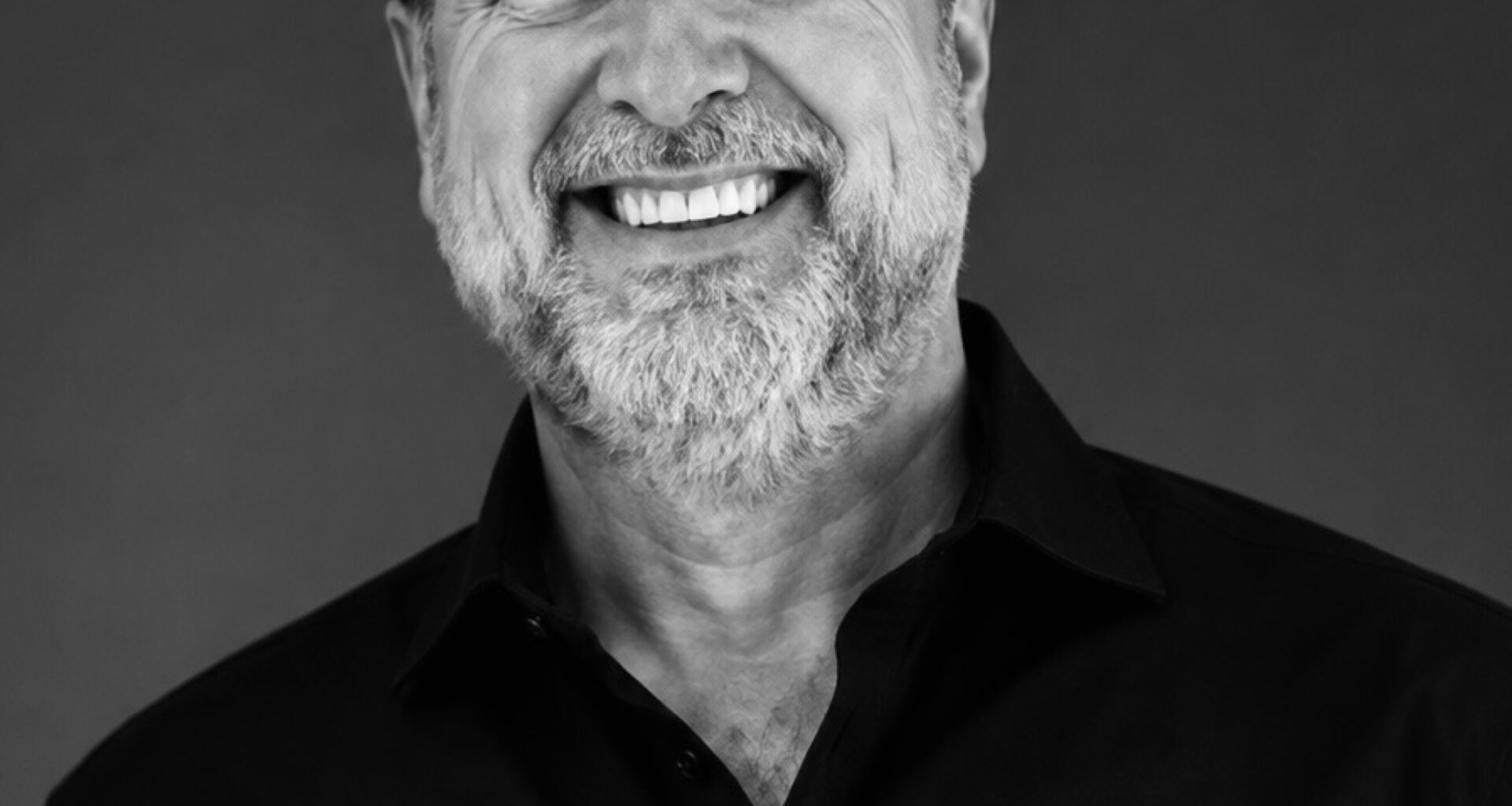
This month, Jay Wegman celebrates his tenth year as artistic director at the New York University’s Skirball Center for the Performing Arts. The past decade also happens to be a period in which many New York institutions retreated from the world stage. In 2017, the twenty-second edition of Lincoln Center Festival turned out to be its last. The following year, Joseph V. Melillo retired from Brooklyn Academy of Music (BAM) and the Next Wave Festival has contracted ever since. Then COVID-19 came along, halting imported performance. Today, you can still catch foreign-born work at BAM, St. Ann’s Warehouse, or the Shed, to name three, but often it originates from England or Australia.
Bucking this isolationist trend, Wegman has introduced New York audiences to provocative European talents such as gonzo body-art choreographer Florentina Holzinger and political provocateur Milo Rau, while hosting homegrown experimental troupes such as the Builders Association and Nature Theater of Oklahoma. Wegman sat recently for a Zoom interview with the Brooklyn Rail. After congratulating the charming and waggish artistic director on Skirball commission Kramer/Fauci transferring to St. Ann’s this fall, we got down to discussing his 2026–27 lineup.
David Cote (Rail): The new season is ridiculously stacked: Romeo Castellucci, a new play by Julia Jarcho, Nature Theater of Oklahoma, Milo Rau, Anne Teresa De Keersmaeker—
Jay Wegman: Angélica Liddell. She’s a big fucking deal. Do you remember the story at Avignon two years ago—the performer who read negative reviews onstage over a microphone and screamed at her critics in the audience, and then mooned them? It’s her. Seppuku. The Funeral of Mishima, or the Pleasure of Dying is Angélica’s response to Japanese author Yukio Mishima’s life and death. Yeah, she’s going to be the Florentina Holzinger of this season. Some people will get very upset. There will be non-simulated [redacted] on stage. Don’t quote me on that.
Rail: This lineup feels very, “It’s my tenth year, but you ain’t seen nothing yet.”
Wegman: I mean, COVID threw us all off our game. We had to reconvene and bring in things from before the pandemic—like TANZ. Milo’s Medea’s Children, we wanted to bring that last year, but because there are children in it, we had to wait for school schedules. With Castellucci and Bros, I was considering it last year, and decided not to bring it. Then with everything that happened in Minneapolis with US Immigration and Customs Enforcement (ICE), I thought, We need to bring this. It takes a long time to plan these seasons, and it magically happened we’re getting all these superstars at once. Most of it is brand new.
Rail: Including Angélica?
Wegman: Seppuku just premiered in Vienna. Will people necessarily like the work? Yes and no, but Skirball is here to make things available so people don’t have to travel to see it. She did a show at Peak Performances in 2018, but this is her New York debut.
Rail: Castellucci was also at Peak several times, and in 2016 the Crossing the Line Festival brought Julius Caesar. Spared Parts to Federal Hall in Lower Manhattan—yet this feels like a first.
Wegman: I won’t say that this is Castellucci’s first show in New York City, but we’re saying it’s his full production premiere because the other one was two nights only, three actors. Anyway: most people don’t even know who Castellucci is.
Rail: But hundreds of New Yorkers are seeing this season and going, “Holy shit!”
Wegman: Those are our friends, and that’s why we do it. For our new website, some copywriters were showing us possible text that read: “We have something for everyone!” And I was like, yeah, you gotta change that.
Rail: As a programmer, are you conscious of alternating between shows which may be very intense and shocking with ones that are, well, less so?
Wegman: I would say we balance a season. For example, NYU is fortunate to have fabulous faculty. Composer Julia Wolfe is being named a university professor. So we’re doing a one-night-only concert of her 2014 oratorio Anthracite Fields, which she won the Pulitzer Prize for. Julia’s going to talk throughout. It’s a quasi-lecture open to the public, not just NYU. So we’re balancing out, say, Dead Centre and Zoë McWhinney’s Deaf Republic—a very heavy piece about military occupation and resistance—with Julia. Anthracite is a serious work, but it’s a different entry point into the season.
Rail: I had this misperception that the Skirball was totally funded by NYU, meaning you don’t have to raise money or worry about subscriber retention like so many artistic directors.
Wegman: Skirball is a university program, but we are fully responsible for the budget. We get that through tickets, foundations, and individual donors. Most people assume that NYU is bankrolling the place, but that is not true at all.