
 4 min read
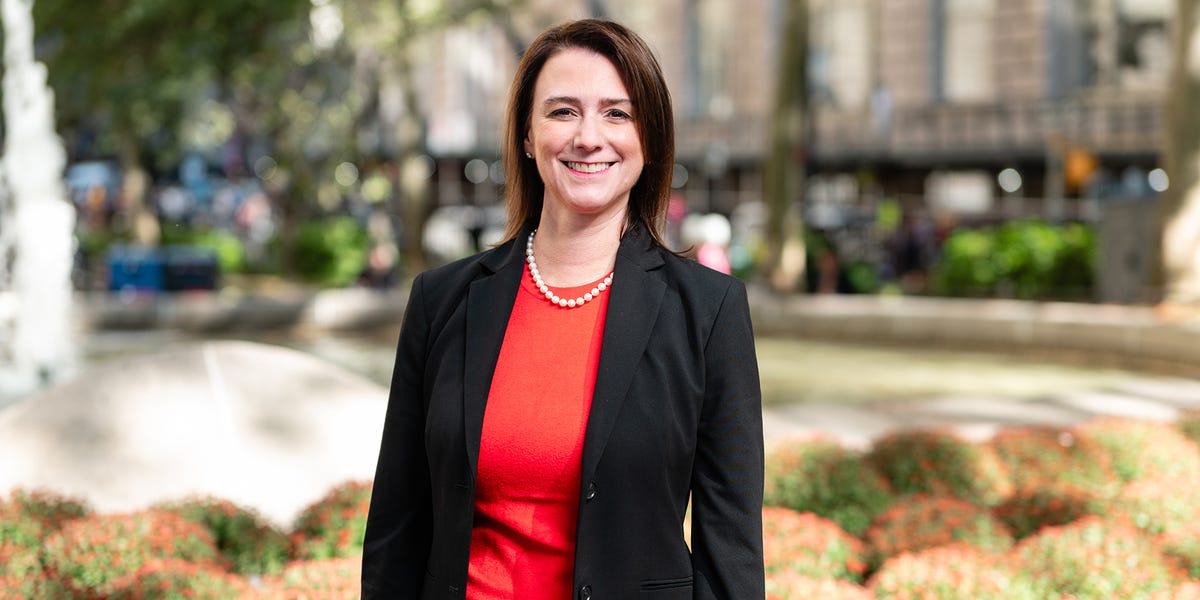
Jessica Lappin has spent her career working in—and for—New York City. Before becoming president of the service and advocacy group, the Alliance for Downtown New York, in 2014, she served two terms on the City Council, representing the Upper East Side, East Midtown, and Roosevelt Island. In the years since, she has helped guide Lower Manhattan through a period of extraordinary growth, followed by the challenges of 9/11, the financial crisis, Superstorm Sandy, and the COVID-19 pandemic. Here, she reflects on the neighborhood’s resilience, as documented in the new docuseries Never Bet Against New York—and what she hopes comes next.
What have been some joys of the job?
When I started at Downtown Alliance, the post-9/11 investment boom was really coming together: the opening of One World Trade, Brookfield Place, the Oculus, the Fulton Center, the Beekman Hotel—the list goes on. Those first few years were incredible. And some of the things that bring me the greatest joy are trying different pilot projects: things that are good for the environment but also for quality of life. We started the city’s first street-wide composting program; we piloted containerizing trash to get those big ugly garbage bags off our curbs. Both of these have become citywide programs.
And the difficult parts?
COVID, of course, was a huge challenge for Lower Manhattan, for the city, and all across the world. It was tough for our residents, for our businesses, for the companies here; so many people kept saying that nobody would ever come back. Nobody would ever want to work in a central business district. I run a business improvement district. Would there be a need for a business improvement district if there were no businesses downtown? And there was no playbook. We had never been through a pandemic of this magnitude. So figuring out how to help, what to do, how to bring people back safely—those were a couple of really dark years.
That wasn’t the first time the city has faced a crisis. What was it like navigating the aftermath of 9/11?
9/11 was actually primary day in New York City. I was working with Gifford Miller, who was running to become the speaker of the City Council. We were with a candidate we had endorsed in Flatbush, handing out flyers, when people started to come out of the subway and say, “A plane has hit the World Trade Center.” Like most people at the beginning, we thought it was an accident. But then we realized that it wasn’t. My husband—then boyfriend—and I went to his apartment in Williamsburg, and from the roof, we could see the towers collapse.
It was a day that changed everything. The aftermath, the smell, the smoke, the recovery was very dark. There was a lot of doubt then, too, about what should come next. There were very emotional discussions and debates about whether we should rebuild at all. I give Mayor Bloomberg a tremendous amount of credit because he really had a vision that we should rebuild—and not just rebuild the buildings, or have a memorial and a museum, but rebuild the neighborhood with a performing arts center, parks, and schools. That vision proved to be the right one, but it took a while for people to come together around it.
What gave you confidence that people would come back to Lower Manhattan?
When people have said nobody would want to live or work here—whether it was after 9/11, the financial crash of 2008, Superstorm Sandy, or COVID—that’s just not proven to be the case. It may have taken some time, and progress wasn’t linear, but people have been coming to Manhattan, and Lower Manhattan, for hundreds of years. It’s where the city began. It’s where the country began.
I’ve always had faith because, time and time again, people are drawn to the energy, the authenticity, and the vibe of New York City. I’ve lived here my entire life. I’ve raised my two children here. Being part of the civic life and fabric of the city, and having a job where I work every day to try to make it a better place, is something I feel very fortunate and passionate about. Part of our success is that we don’t rest on our laurels; we are constantly evolving, growing, and innovating. I love that challenge. It gets me going every morning. I just feel lucky to have a job where I get to give back to the city every day.
Looking down the line, what are you hoping the city will look like? What are you hoping to achieve?
I’m not good with the crystal ball of it all, and Lower Manhattan has had more than its fair share of calamities. And these are tragedies and hard times that we can’t foresee. But what strikes me about this neighborhood in particular is its resilience, grit, and commitment. Every time something bad happens, there is a real, almost patriotic recommitment to the area. And it also takes time and thought. Part of the reason why the World Trade Center has been so successful is because Silverstein Properties and the Durst Organization had a very deliberate action plan of recruiting tech and media. When Condé Nast came to the building [in 2014], it completely changed the neighborhood.
We want to continue to grow the jobs in whatever industries make sense, in creative industries in particular. It’s also important for us, as we grow, to respect the history of the neighborhood; we don’t want progress to come at the expense of our history. And I do believe New York still stands as a beacon. It is the melting pot. That doesn’t mean it’s easy. But I think it’s a place where everybody can and should feel welcome. That’s the spirit of New York.
Shop the Oprah Daily “The Life You Want” Collection

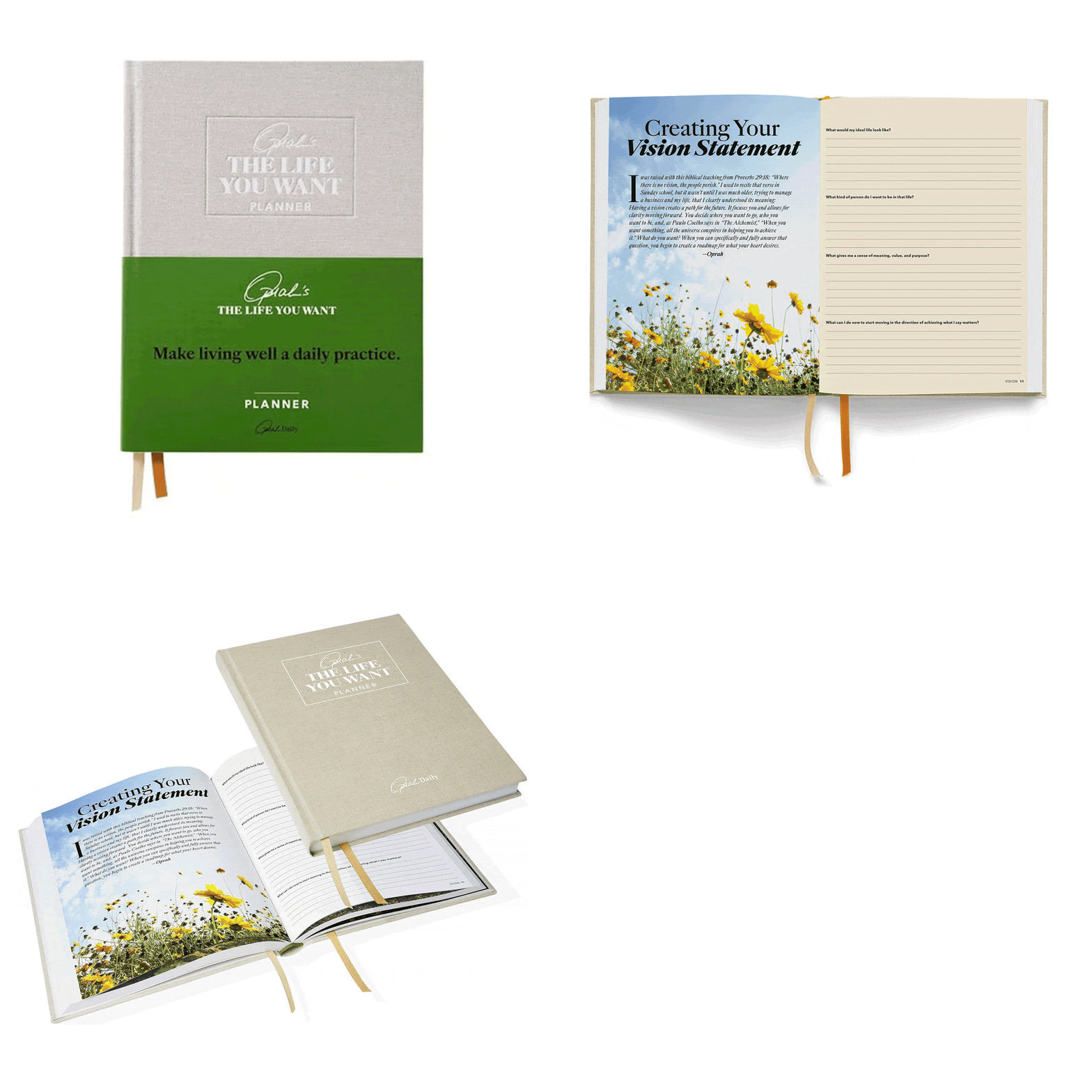 Oprah’s “The Life You Want” Planner
 Oprah’s “The Life You Want” Love and Happiness Journal
Now 37% Off
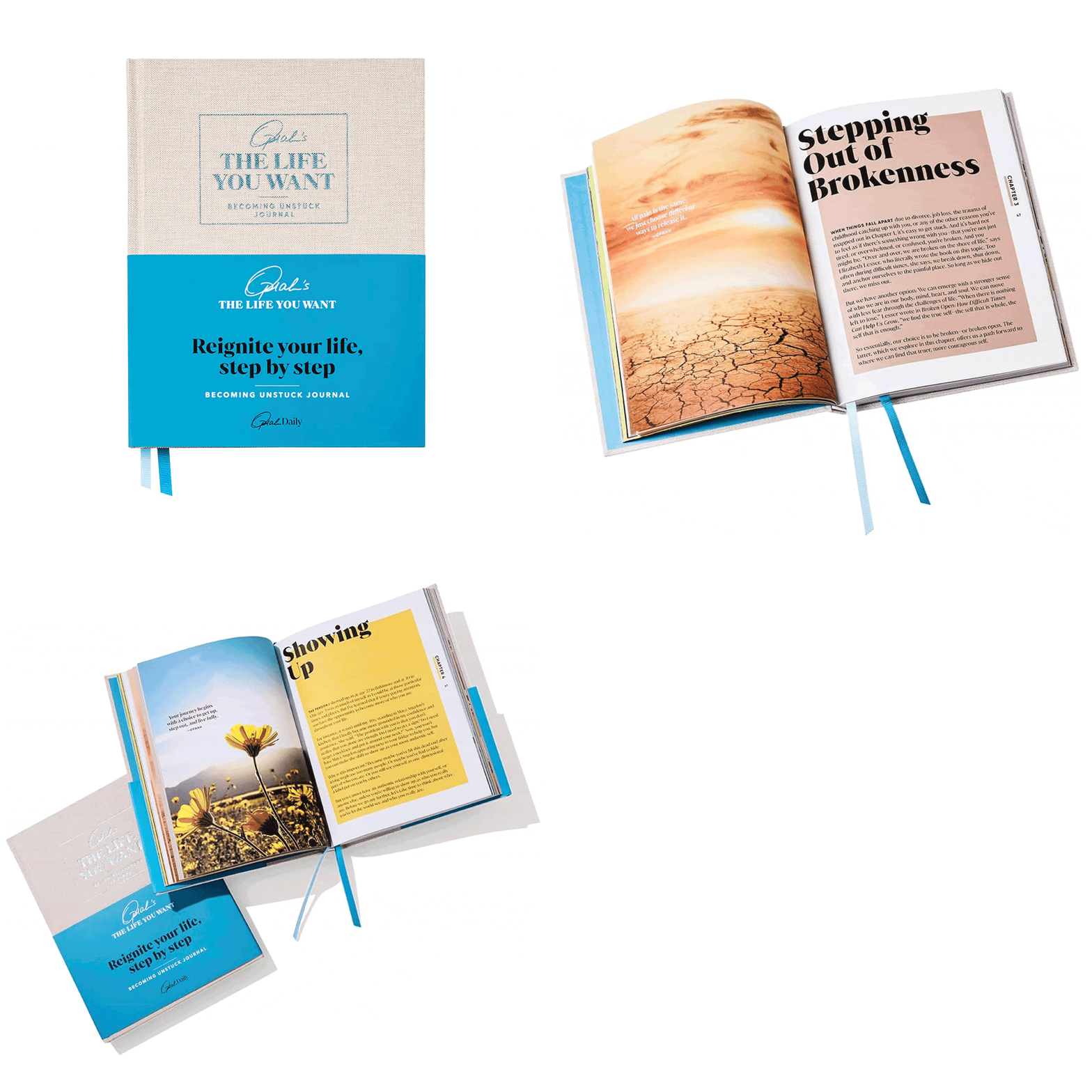 Oprah’s “The Life You Want” Becoming Unstuck Journal
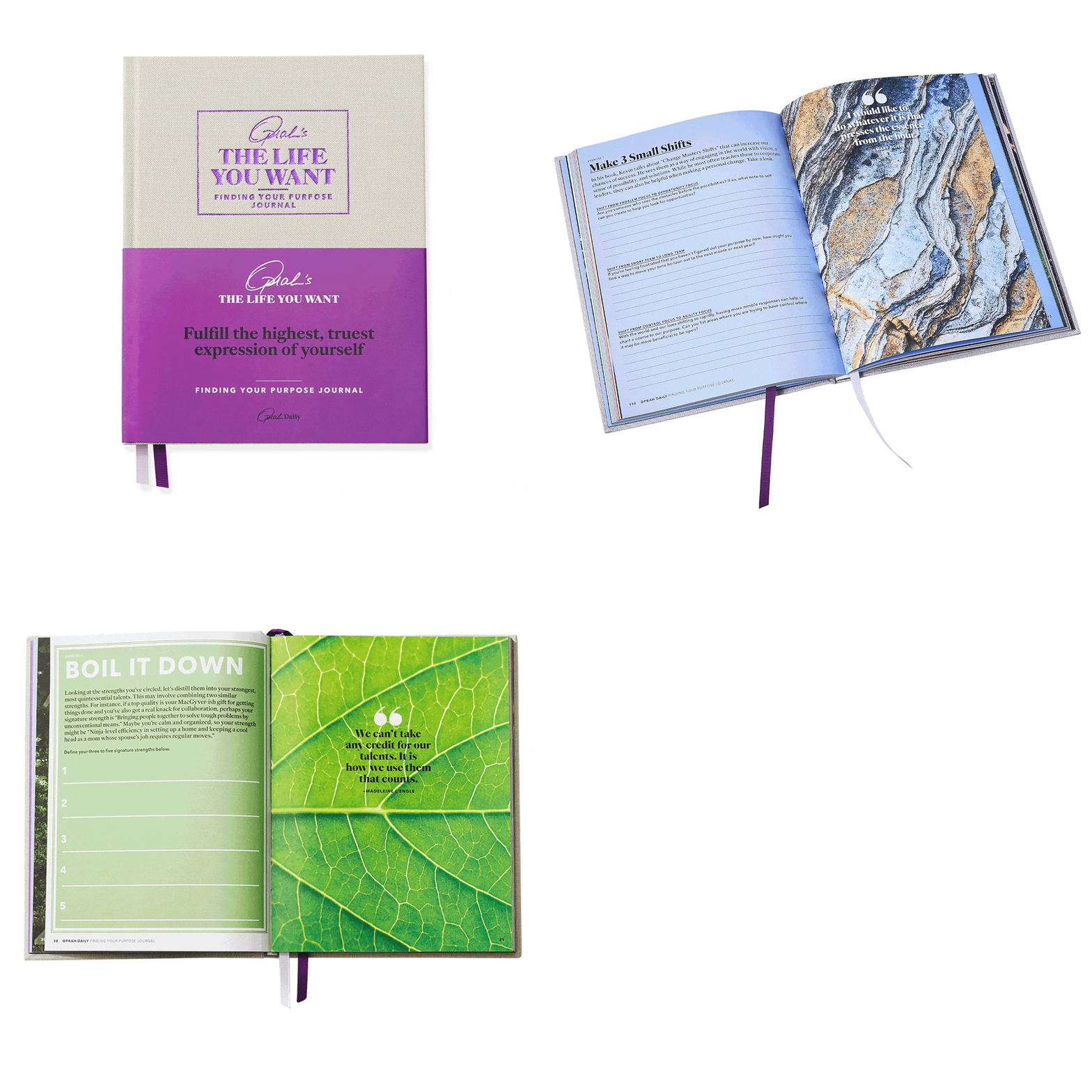 Oprah’s “The Life You Want” Finding Your Purpose Journal
 Oprah’s “The Life You Want” Book Lover’s Journal
Now 41% Off
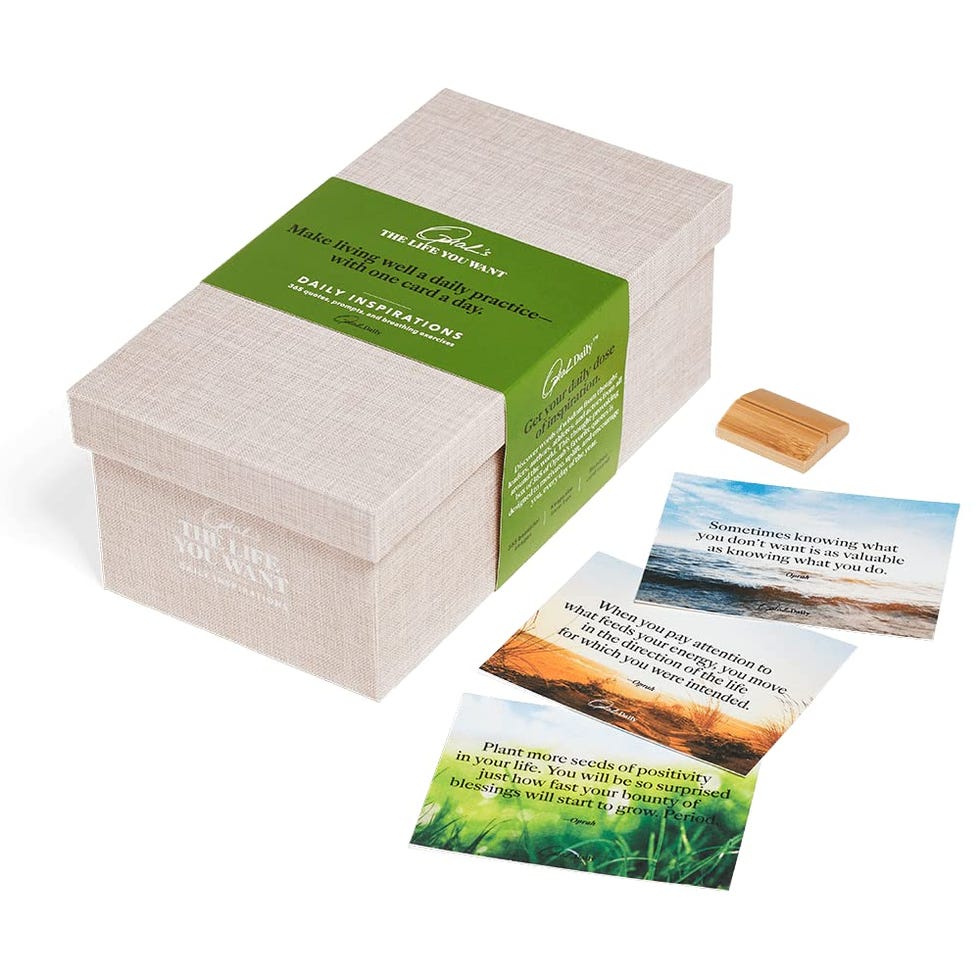 Oprah’s “The Life You Want” Daily Inspiration Cards
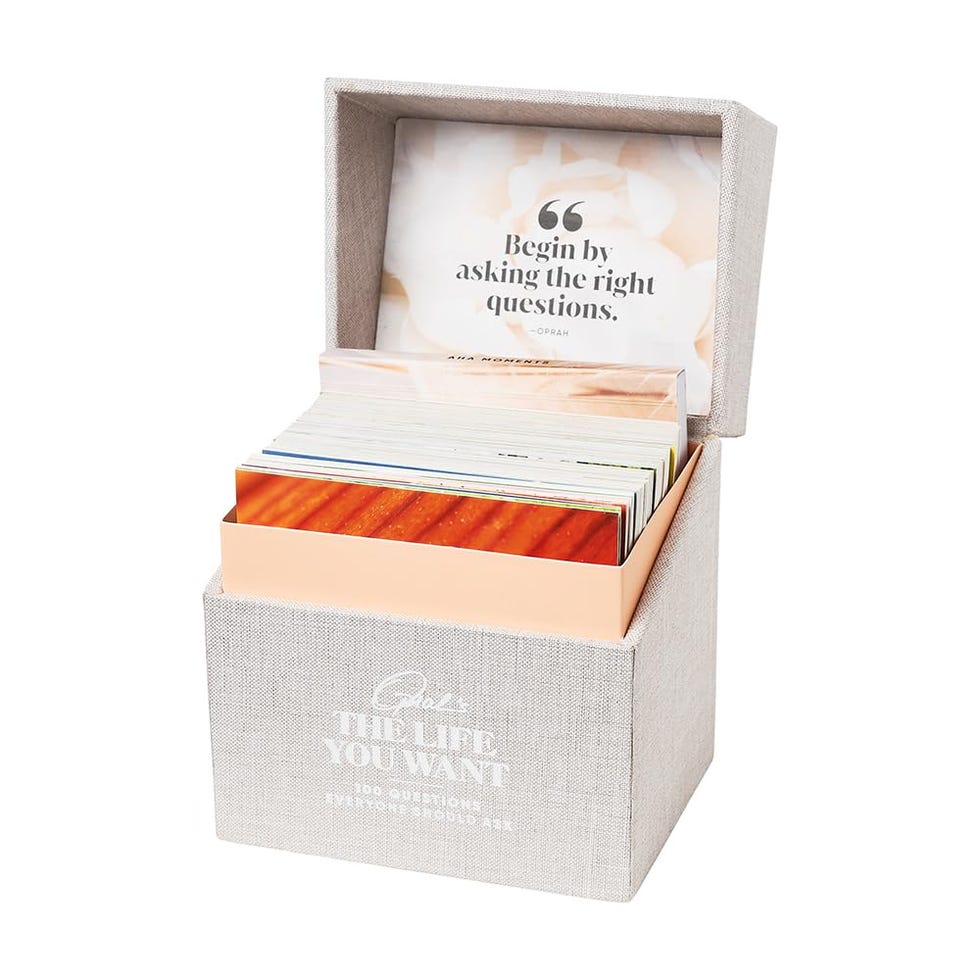 Oprah’s “The Life You Want” 100 Questions Everyone Should Ask Conversation Cards
Sofia Lodato (she/her) is a staff writer at Oprah Daily. Aside from reading, writing, and wellness, she is a lover of all things media-related, and can usually be found overanalyzing her latest favorite show, album, or video game.