
The colors, sounds, and spirit of the Caribbean took over Brooklyn on Labor Day as thousands of revelers gathered along Eastern Parkway for New York City’s annual West Indian American Day Carnival Parade.
As masqueraders moved through the route in elaborate costumes alongside the sounds of soca, calypso, and steelpan, city officials emphasized a second priority alongside the celebration: keeping the event safe without taking away from its joy.
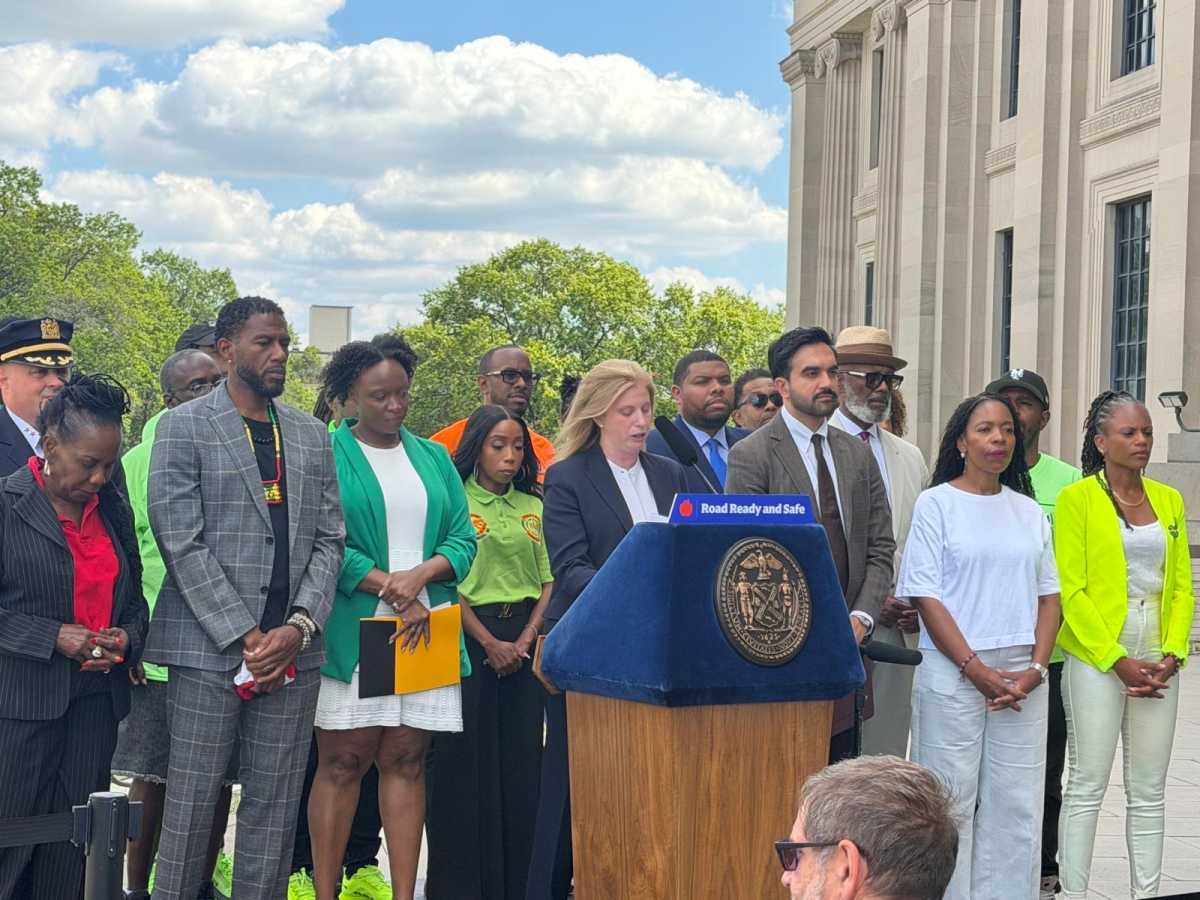
New York City Mayor Zohran Kwame Mamdani, speaking at a press conference on Sept. 4, says the city has increased security while also relying on community-based organizations and violence prevention workers to help manage tensions and keep the festivities moving smoothly.
“We have to find that balance,” Mamdani says, emphasizing the need to deliver safety while preserving the joyful spirit of the weekend.
The city is carrying forward security measures that officials say proved effective during last year’s celebrations, while adding barricades and additional police officers along the parade route.
But police are not the only component of the city’s strategy.
Mamdani says community partners connected to the city’s crisis management system are engaged earlier to help prepare for the large crowds and respond when tensions arise.
The goal is to ensure that New Yorkers know where to turn, whether they need a community-based intervention or police assistance.
“We want to make sure that people are coordinated, people are prepared,” Mamdani says.
The mayor also points to changes surrounding J’ouvert and the importance of keeping today’s parade on schedule. Officials are working to ensure the procession starts and ends on time, noting that previous incidents of violence have sometimes occurred toward the end of the festivities.
Mamdani says an orderly conclusion can help make the celebration safer while allowing people to enjoy the parade.
During the press conference, which was held at the Brooklyn Museum, New York City Police Commissioner Jessica Tisch said major celebrations across the city this summer have taken place safely, crediting the combined efforts of the NYPD and New Yorkers.
Tisch said shootings and murders have fallen to their lowest levels in recorded history, allowing New Yorkers to enjoy the city’s many summer events.
“I am very proud of the commitment, professionalism and resolve that you have shown all summer,” Tisch said, addressing NYPD officers. “New Yorkers have a lot to celebrate lately, and you make it all possible.”
Deputy Mayor for Community Safety Renita Francois is also stressing a community-centered approach.
Francois says city agencies, community organizations and crisis management teams are working together to ensure that residents, businesses and people who live and work along the parade route are prepared and that the systems supporting the event are functioning.
She says the administration wants the celebration to reflect the enormous contributions West Indian and Caribbean communities make to New York City rather than allowing negative incidents from the past to define the day.
That message resonates throughout Brooklyn as flags from across the Caribbean wave above the crowds and families, friends and visitors come together to celebrate their heritage.
The West Indian American Day Carnival Parade is more than a Labor Day tradition. It is a powerful expression of Caribbean identity in New York, showcasing generations of cultural influence through music, food, dance, costumes and community pride.
Today, as Brooklyn becomes a sea of Caribbean colors, the city’s message is clear: safety and celebration can coexist.
For Mamdani and city officials, the challenge is to protect one of New York’s most vibrant cultural traditions while ensuring that thousands of people can experience the parade safely, proudly and joyfully.