
By CNBCTV18.com September 8, 2026, 5:42:50 PM IST (Published)
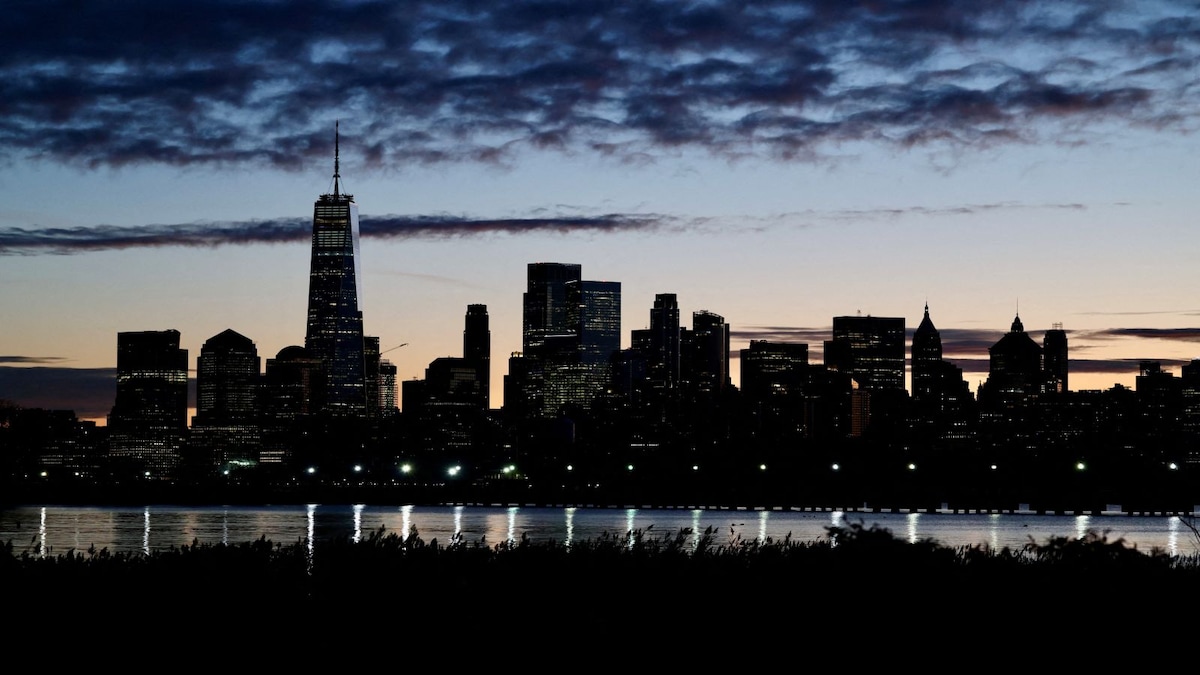
Lower Manhattan has changed sharply in the 25 years since the September 11 attacks. Once badly damaged and largely deserted after office hours, the ar…Read More
 1/8
1/8
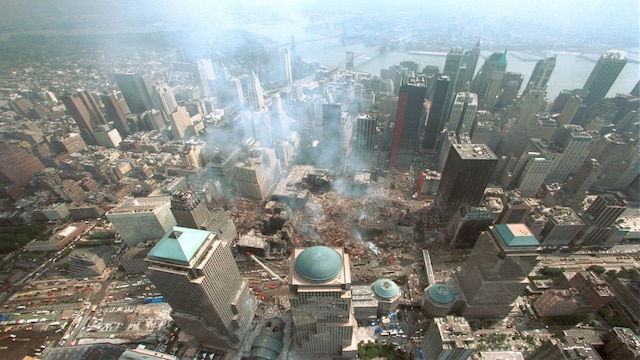
1. A neighbourhood rebuilt after 9/11 | The September 11 attacks destroyed the World Trade Center and damaged or destroyed around 30 million square feet of commercial space in Lower Manhattan, according to The Wall Street Journal. The area also lost its PATH terminal, while subway services, power and communication networks were disrupted. The scale of the damage left questions about how the Financial District would recover. (Image: Reuters)
 2/8
2/8
2. Lower Manhattan’s population has roughly tripled | 25 years since the attack, one of the biggest changes has been the growth in the number of people living in the area. The Wall Street Journal reported that Lower Manhattan’s population has roughly tripled since the attacks. By early 2026, the area had more than 37,000 apartments, compared with about 13,000 in 2000, according to the report. (Image: Reuters)
 3/8
3/8
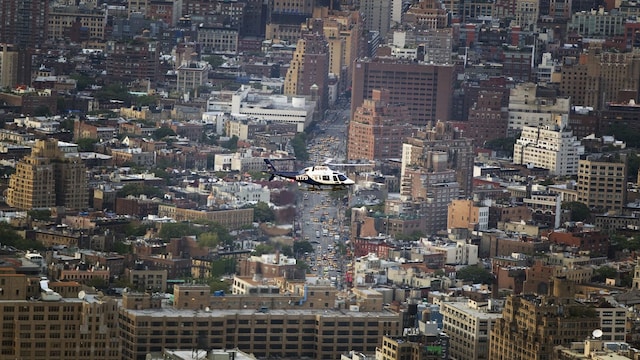
3. Old office buildings became homes | Housing became an important part of the area’s revival. Dozens of older office buildings were converted into residential properties, creating homes close to workplaces. There are currently 23 such conversion projects either planned or under construction in Lower Manhattan, according to the Alliance for Downtown New York, as cited by The Wall Street Journal. (Image: Reuters)
 4/8
4/8
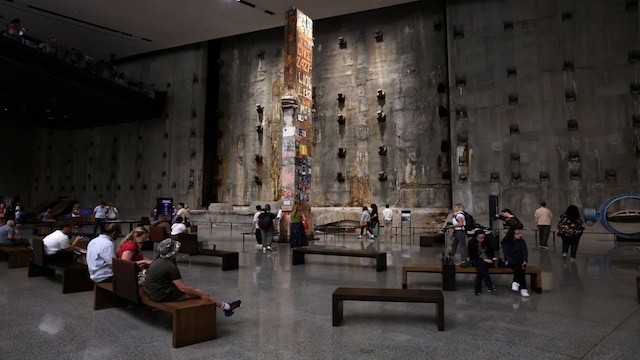
4. The new World Trade Center reshaped the area | The rebuilt World Trade Center became one of the biggest parts of Lower Manhattan’s transformation. More than $20 billion in public and private investment went into about 10 million square feet of office space, nearly 500,000 square feet of retail space, a transport hub, the 9/11 Memorial and Museum and a performing arts centre, according to The Wall Street Journal. The latest major development at the 16-acre site began with American Express breaking ground on a new 55-storey headquarters in July. (Image: Reuters)
 5/8
5/8
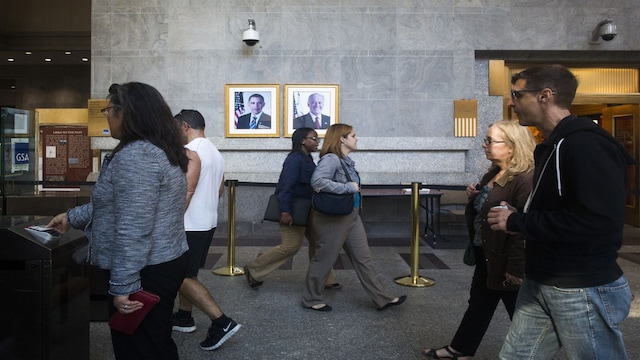
5. More than 230,000 people work there | Lower Manhattan has regained much of its role as a major employment centre. More than 230,000 people now work in the area, according to The Wall Street Journal. That figure is close to the number of workers in the district before the September 11 attacks. (Image: Reuters)
 6/8
6/8
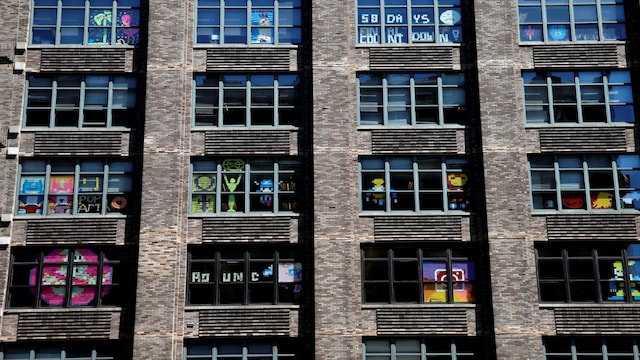
6. Wall Street is no longer the only identity | The area was once heavily dominated by financial services and real estate. Their combined share of downtown employment has fallen from about two-thirds a quarter-century ago to roughly one-third today, according to the Alliance for Downtown New York, cited by The Wall Street Journal. Technology, media and advertising companies have become a bigger part of the local business mix. (Image: Reuters)
 7/8
7/8
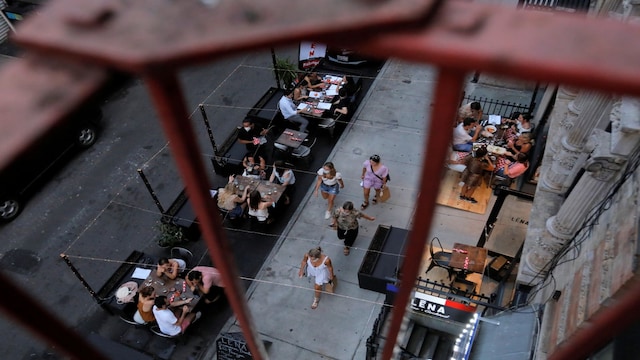
7. Restaurants, bars and music venues have changed downtown life | Lower Manhattan has also developed a stronger residential and entertainment scene. Restaurants, bars and waterfront venues now attract people after working hours. Pier 17, which opened in 2018, includes a rooftop music venue with a capacity of about 3,400 people. Stone Street has also become a busy dining and nightlife destination. (Image: Reuters)
 8/8
8/8
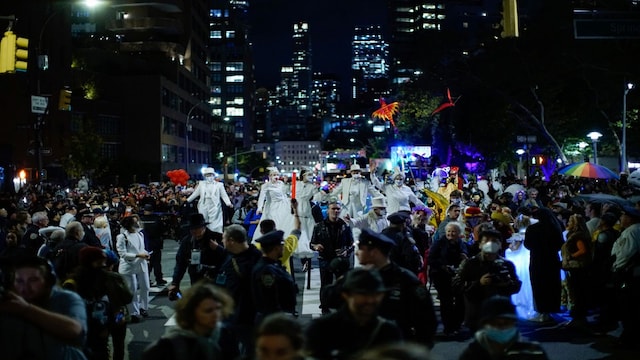
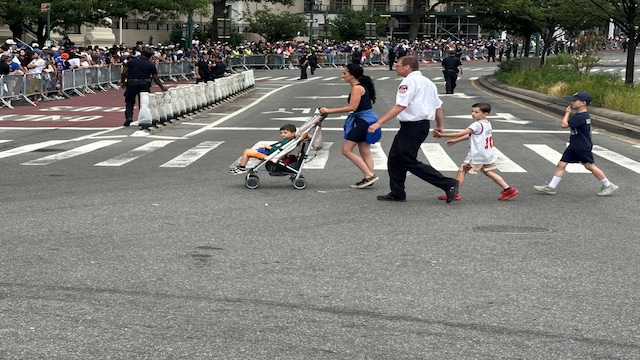
8. A younger generation sees a different Lower Manhattan | For younger residents, the rebuilt World Trade Center is part of an everyday neighbourhood rather than only a symbol of the attacks. The rebuilding restored some streets that had disappeared when the original World Trade Center was developed, making the site more connected to the surrounding area. The 9/11 Memorial is now integrated into the neighbourhood, while homes, offices, restaurants and public spaces surround it. (Image: Reuters)
Continue Reading