
For so many families, child care costs and the support that is needed from it are issues many New York City parents deal with. With the cost of basic necessities, like groceries and clothing, continuing to rise, affording quality care and how to afford it is a concern. For many parents, child care costs can feel like a second rent payment. As more 2-K and 3-K seats open up, the conversation around access, affordability, and support remains an important issue for New York families. Now, some of the people who keep the city running are getting a little help.
What started under the Adams administration, the City has opened The Little Apple, a free child care center for municipal employees and their families.
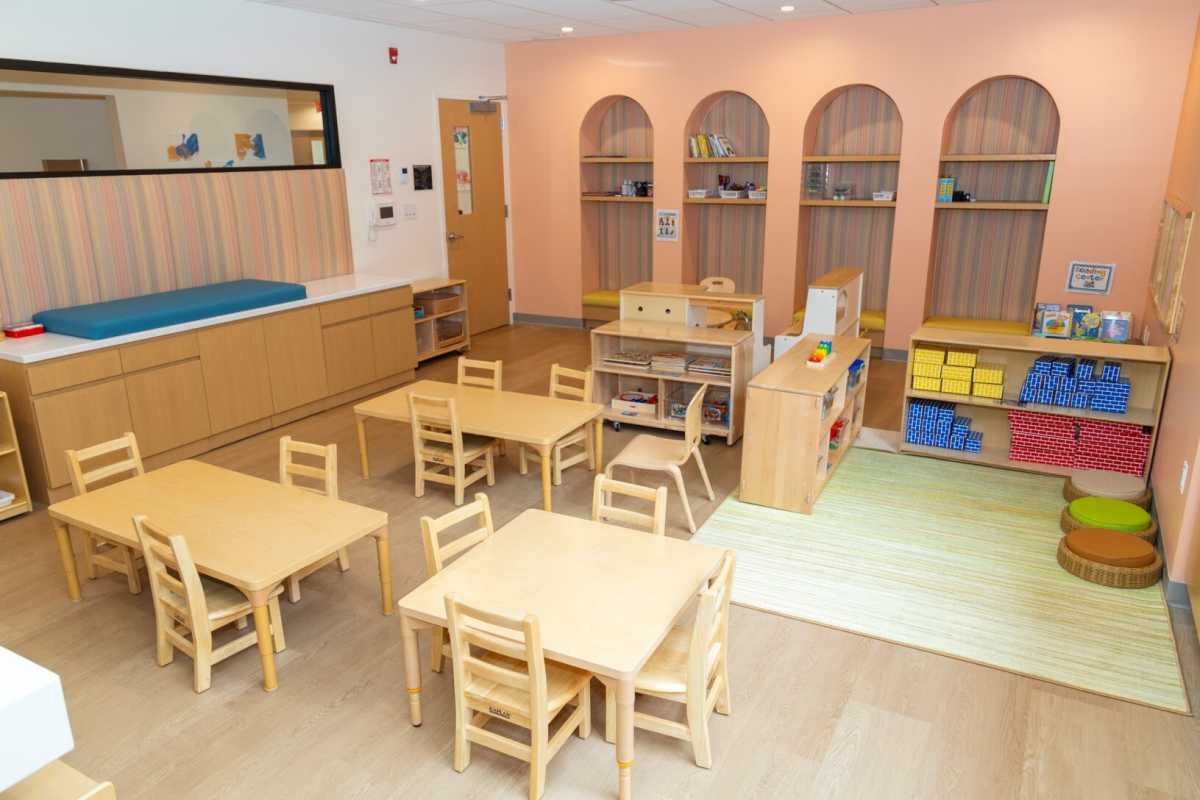
The center is located on the ground floor of the David N. Dinkins Municipal Building; the 4,000-square-foot space will provide year-round, on-site care for up to 40 children ages 6 weeks to 3 years old, beginning September 10.
For families who can access it, the savings are pretty significant. The City estimates the program could put up to $20,000 a year back into the pockets of working families.
“As hundreds of thousands of New York City students head back to school Thursday, 40 of our youngest New Yorkers will begin a new chapter at our City’s first free child care center for municipal workers,” said Mayor Zohran Kwame Mamdani. “The Little Apple is what it looks like when a city takes care of the people who keep it running.”
The new center is designed to address both the financial and logistical sides of that equation, offering care just steps from where parents work.
The Little Apple is open weekdays from 8 a.m. to 6 p.m. and offers an evidence-based curriculum focused on early learning, socialization and healthy development. The center includes four classrooms, along with a pantry, teacher’s lounge and stroller storage room. These details can make a big difference for parents trying to get through a workday with a baby or toddler.
“Child care is one of the biggest costs facing working families in New York City, and we are proud to do our part in making that burden a little lighter for the employees that move our city forward,” said DCAS Commissioner Yume Kitasei. “The Little Apple gives city employees access to free, high-quality care right where they work, making it easier and more affordable to balance work and raising a family in New York City.”
The center is operated by Imagine Early Learning Centers, a 100 percent employee-owned provider that serves more than 600 children across 12 child care centers in the New York metropolitan area. The City says the project also represents an investment in its own workforce, with employer-provided child care expected to help with recruitment, retention, productivity and job satisfaction.
“The opening of The Little Apple is an investment in our city’s dedicated public servants, who will no longer have to choose between child care and a paycheck,” said Emmy Liss, executive director of the Mayor’s Office of Child Care and Early Childhood Education.
Psst…Check out This Grocery App Can Help Families Save Up to 70% on Food
The center is part of a more expansive effort by the Mamdani administration to expand access to child care in New York City. While 40 spots are a small number in a city of more than 8 million people, the idea the Mayor’s office shares of what is behind The Little Apple is potentially much bigger: What happens when child care is treated not simply as a private family expense, but as essential infrastructure for a working city?
“This is a win for workers who are trying to raise a family while simultaneously serving the city; but it’s also a win for New Yorkers,” said Deanna Logan, director of the Mayor’s Office of Criminal Justice, “who benefit when good employees don’t have to choose between their jobs and their childcare duties.”
For the families starting at The Little Apple this fall, that equation may become a little easier to balance, one drop-off, one workday, and one toddler at a time. And hopefully this program will continue to expand to support more of our essential workers in the future.
 0
0