
New York City is unlikely to face lawsuits based on the information in newly released documents about what the city knew and hid about Lower Manhattan’s dangerous air quality in the weeks following the 9/11 terrorist attack, lawyers who have been handling 9/11-related claims for decades told amNewYork.
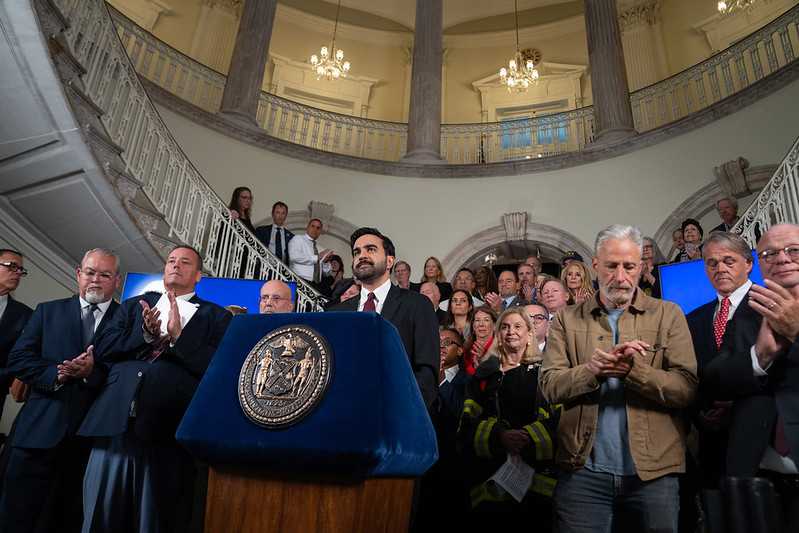
Mayor Zohran Mamdani on Tuesday announced his administration would be settling years of litigation with advocacy group 9/11 Health Watch by releasing 170,000 documents, city records and emails which show the city knew the air quality in Lower Manhattan after 9/11 was dangerous and downplayed the risk to get people back to work and school quickly, information the advocates had sued the city over its previous refusal to turn over. The city will release hundreds of thousands of more documents in the coming months.
Mamdani and Corporation Counsel Steven Banks told reporters Tuesday they were releasing the documents because it was the “right thing to do” and weren’t scared of the city being the target of lawsuits over what the documents revealed.
That conclusion, legal experts said, is probably because they know it is highly unlikely New York City would actually find itself on the wrong end of court papers — and nearly impossible it would find itself the target of successful ones — based on the information the city released.
“I think it’s just not a real question,” said Ben Chevat of 9/11 Health Watch when asked if he thought anyone would sue based on the documents. “That is not something that anyone is really expecting.”
“I’m not even thinking about lawsuits now. I’m just thinking how disappointing it is that our own government, our own city and state, didn’t tell us the truth 25 years ago,” said attorney Michael Barasch of Barasch and McGarry, one of the most prominent firms providing legal counsel to 9/11 victims.
Legal experts: Nothing changes with 9/11 document release
Essentially, legal experts said, nothing has changed from before these documents were released to now in terms of people’s ability to sue the city over how it handled its 9/11 response. That’s not because the information isn’t damning, lawyers said. It’s because there’s a slew of high legal hurdles in place, making a successful lawsuit “nearly impossible.”
One of those hurdles is that filing a claim via the Victim Compensation Fund – the landmark federal fund that provided compensation and free healthcare to anyone who lost a family member or suffered health complications due to the terror attack – bars a person from filing any 9/11-related lawsuits.
The vast majority of impacted people have opted to take part in this fund instead of filing a lawsuit because it grants the same relief a suit would – money and healthcare. It also gets you those for a much lower bar than a suit would – to be eligible for the fund, a person simply has to prove they worked, went to school or were by Ground Zero on or in the months following 9/11, which is a big part of why lawyers told amNewYork they recommend their clients file a claim through the fund instead of a lawsuit. If a person chooses to sue, they’d have to prove their health complication – cancer, asthma, lung disease – is linked to the 9/11-impacted air quality and not something else.
Why does that matter so much? To file a successful lawsuit, you have to be able to show a court you were directly harmed by the action you’re suing over, attorneys said. That means only those who have a relatively recently diagnosed 9/11-linked health complication, haven’t already filed a claim with the Victims Compensation Fund and can accomplish the nearly impossible task of proving their disease was caused by breathing in the air around Ground Zero a quarter-century later would have a realistic shot of a successful suit against the city.
“It would be incredibly difficult – likely medically impossible – to prove to a court that that disease was actually caused by dangerous air quality from 9/11 and not anything else that might have happened to them over the past 25 years,” said attorney Noah Kushlefsky of 9/11 victims firm Kreindler & Kreindler. “Every condition exists in the ordinary population, and specific causation means you have to link your condition to that exposure to the exclusion of anything else. It’s just almost impossible.”
A person who doesn’t have a loss or health condition they can link to 9/11 and is simply upset the city didn’t properly inform the public about what it knew and when about how bad the air quality was can’t sue the city based on the information in these documents, Kushlefsky said. He emphasized he, like the other attorneys amNewYork talked to, didn’t see anything changing on the litigation side of things due to the release of these documents.
“This is just about what the city knew and when,” he told amNewYork.
The real goal of 9/11 document release
Gaining grounds to sue the city was never the goal of 9/11 Health Watch’s quest for these documents, its attorneys have repeatedly said. The goal, Chevat said, is to gain answers and accountability, uncover new data that could help track and treat 9/11-linked diseases and give scientists and doctors access to studies the government may have conducted that they haven’t seen before.
The goal is also to ensure the city doesn’t attempt to cover up its responsibility in or knowledge of a disaster in the future, rebuild trust in government and reinforce the need for funding and resources for the 9/11 health program providing free care to those impacted.
“I think [getting these documents] is to ensure health coverage and lifelong medical benefits,” Kushlefsky told amNewYork. “That’s my view. This can be used to assure that everybody is protected and taken care of going forward. It’s information that feeds into the notion of: ‘You told us it was safe. It wasn’t. Now you take care of us.’”
“My view is that there was a definite purpose to what the city said [in 2001]. They wanted to make sure that life went on in Lower Manhattan, that businesses didn’t struggle, that the city didn’t die, and they made a decision to get a semblance of normalcy as quickly as possible. It was a huge, massive mistake,” Kushlefskyy continued. “This is about accountability and making sure that – God forbid something happens in the future – the public, innocent people, aren’t misled as to the health risks.”