
New York Fashion Week has gotten a lot of flak in the past few years for being boring and uninspired — for devolving into a circus of the same nice-looking designs with little to say. But when you look below the big headliners and beyond the homogeneous clothes, you’ll find a cohort of independent talent working at its own pace, on its own terms, and with a grit that reflects the city it calls home. There, the spirit of NYFW is alive and well. Ahead of the spring 2027 season, meet six of these singular women designers. Some are staging their first on-calendar runway after decades of grinding. Others are showing intimate, invite-only presentations in their private apartments-slash-studios. All of them are doing their city proud.
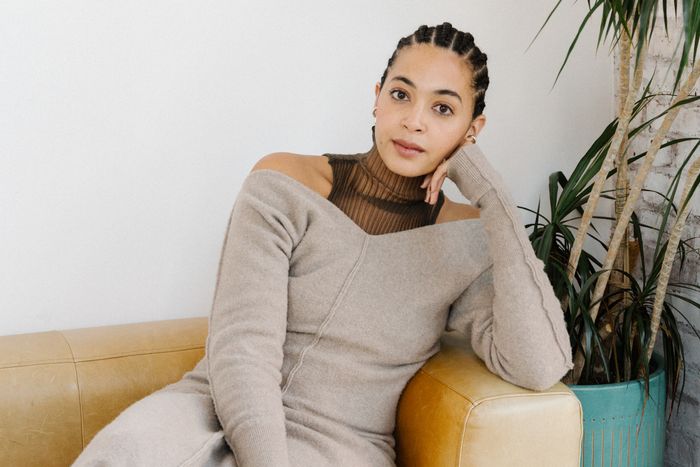
Photo: Mary Kang
Aisling Camps started her namesake brand in 2013 by making one sweater at a time just to pay rent. Now a 2026 CFDA/Vogue Fashion Fund finalist, the 39-year-old is debuting her first NYFW runway show on September 14. “I’ve done all the hard stuff already — schlepping from Manhattan to Sag Harbor with suitcases of clothes, being so broke with zero funding, just hustling on my own to get to the next level. It can only get easier,” Camps says, tuning in from her Brooklyn studio with a backdrop of blue, green, and beige behind her.
Clockwise from left: Photo: Daniel WeissPhoto: Daniel WeissPhoto: Daniel Weiss
From top: Photo: Daniel WeissPhoto: Daniel WeissPhoto: Daniel Weiss
Known for her chunky cable-knit pullovers, open-weave bra tops, and macramé hoodies, the designer has a background in mechanical engineering, which is evident in her technical precision. “Design is design,” she says. “Only now I make clothing as opposed to robots or an HVAC system.” Camps credits her Trinidadian heritage with inspiring her beachy, breathable niche as well as her drive: “When you come from somewhere where you don’t have access to everything, you make do with what is available. You find a way to take a subpar cut of meat, put all this seasoning, energy, and effort into it, and make it turn out better, more delicious, than a prime steak.” Normally, when I speak to a designer less than two weeks out from their runway show, there are nerves to work through, especially for a debut. Not with Camps. “New York is the most difficult fashion city to carve out a niche for yourself, and I’ve done it,” she says. “And it’s not like I have investors to impress an ROI on; I’ve only ever depended on myself, and I’m pretty dependable.”
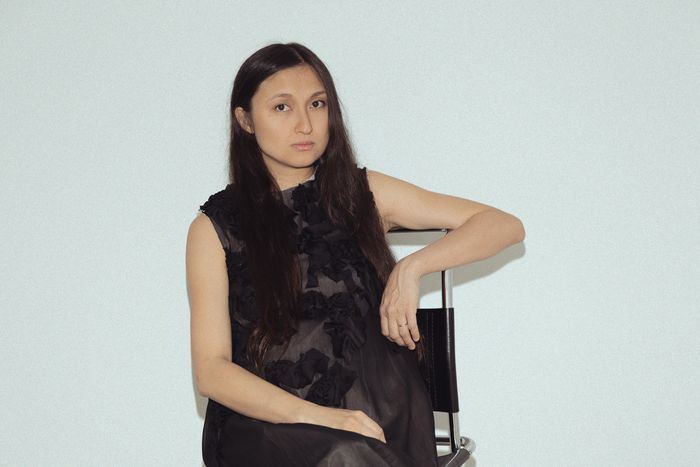
Photo: Nikita Gorlov
When I meet Meruert Tolegen over Zoom in late August, it has been 11 days since she gave birth to her third child. The 35-year-old admits she’s a little tired but jumps quickly into discussing her fashion career. Coincidentally, it began with another of her babies: In 2019, she launched La Petite Anaïs, a children’s online clothing boutique named for her daughter, which sold French-imported velvet onesies and embroidered tutus. Soon after, customers started requesting matching mommy-and-me looks, so the Kazakhstan-born designer created a separate womenswear line. That offshoot idea evolved into Tolegen’s namesake brand, which has since made her an LVMH semifinalist and an essential part of New York’s fashion ecosystem.
Clockwise from left: Photo: Courtesy of Meruert TolegenPhoto: Courtesy of Meruert TolegenPhoto: Courtesy of Meruert Tolegen
From top: Photo: Courtesy of Meruert TolegenPhoto: Courtesy of Meruert TolegenPhoto: Courtesy of Meruert Tolegen
Recognizable by its lace panniers, florals in inky prints, and 18th-century tailcoats, Tolegen’s work is inspired by antiquities and is equal parts playful and macabre. She credits the latter to her being a “melancholic person” and her Kazakh heritage: “There’s a Kafkaesque feeling to the culture there. As a kid, you’re reading Pushkin, Dostoyevsky, and Tolstoy and listening to Russian music with a fun techno beat and lyrics about a dead grandmother.” You’ll find that same tension — darkness repackaged into something beautiful — in Tolegen’s bustle-hipped corset dresses and jet-black horsehair jackets. “There’s something humorous to me about artistic, weird, and off-putting clothing. If I had to design something that wasn’t a bit odd, I don’t think I could do it,” she says. Her spring 2027 collection, which carries more color than her previous ones, will be presented in two parts — an abridged edit in New York and a full off-calendar runway in Paris two weeks later. Splitting the showings happened in part because of her new family addition. Speaking of: Would she ever do new childrenswear? “No,” she says, “I only make clothes for my own kids now.”
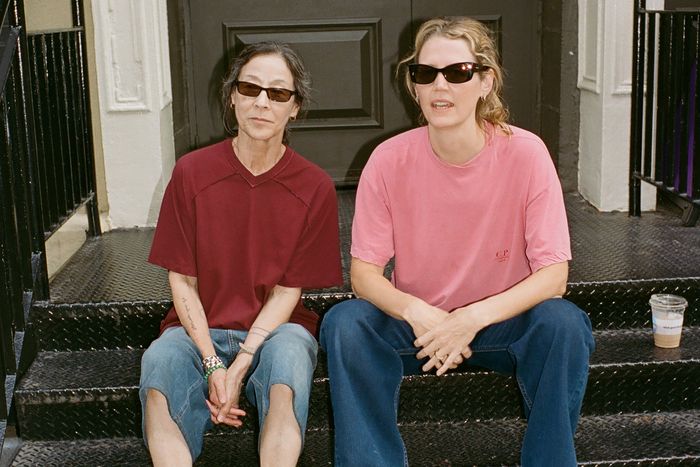
Photo: Peter Sutherland
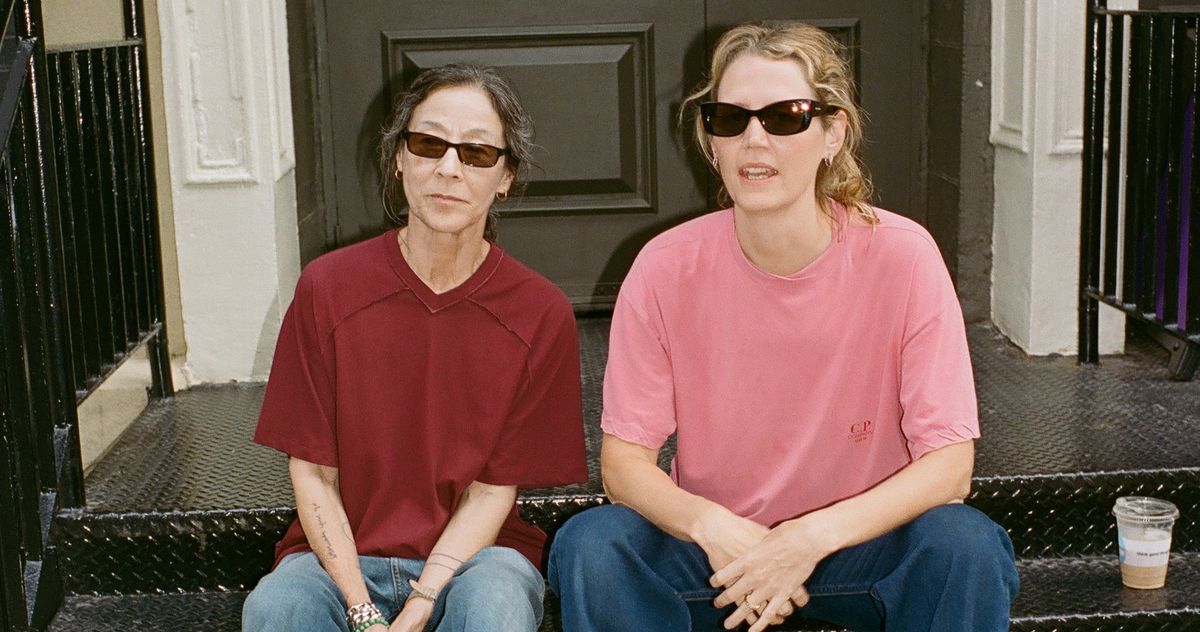
Founder Stella Ishii and designer Lizzie Owens of 6397 have 50 years of experience between them. Ishii, the co-owner of legendary Soho showroom the NEWS, is revered as an OG in retail. She was the first to introduce Comme des Garçons to the U.S. in the ’80s, followed by Martin Margiela in the ’90s, and helped get The Row off the ground in 2006. Owens, meanwhile, has the design acumen. The Utah native says she was “doing gorpcore before gorpcore was even a thing” at her small but mighty former menswear label, Highland. “Collectively, we’re studied enough to know everything, and 6397 is the essence of that practice,” Owens adds.
Ishii first launched 6397 — the alphanumeric spelling of N-E-W-S on a phone keypad — in 2013 as a line of unpretentious basics starting with denim, slip dresses, and cotton tees. Ten years later, craving, she says, a “conscious evolution and more of a fashion feel,” she brought on Owens as head of design. “Womenswear gets refined and refined season after season, whereas men’s isn’t about this new trend or color — it’s about building a wardrobe slowly,” Ishii explains. “I knew Lizzie could bring that menswear element, that trendlessness, into women’s.” Owens’s side-dart blue jeans, washed-canvas chore jackets, and funky front-button T-shirts are proof Ishii was correct.
Clockwise from left: Photo: Courtesy of 6397Photo: Courtesy of 6397Photo: Courtesy of 6397
From top: Photo: Courtesy of 6397Photo: Courtesy of 6397Photo: Courtesy of 6397
Considering 6397 has such talent and know-how behind it, it’s ironic the brand is only just making its runway debut this season. Previously, Ishii says, the timing hadn’t felt right, and both she and Owens devoutly follow their instincts. As for advice for aspiring founders and designers? “Start with what’s possible, what’s available to you, and make the best of it,” Ishii says. As for Owens: “Be super individual about it. The point of starting a line isn’t necessarily to have the next big grand house of whoever. It’s an education you can’t get any other way besides just doing it.”
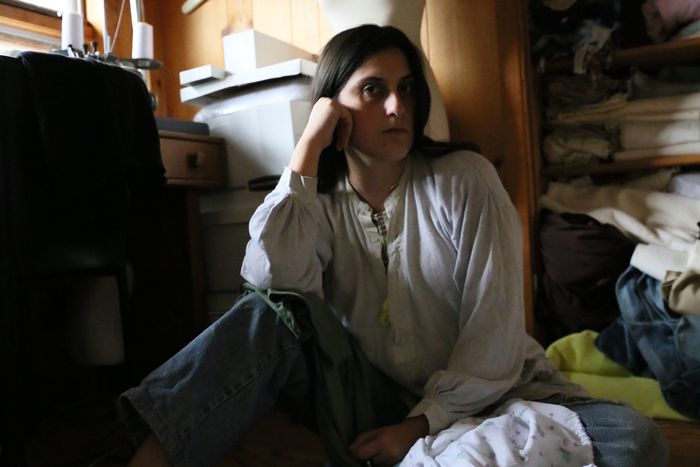
Photo: Courtesy of Giovanna Flores
“If someone saw me while I’m working, they’d think I’m insane,” says designer Giovanna Flores, 33. Based out of a tiny studio in the Brooklyn Navy Yard, Flores is a fabric scavenger who turns scraps into raw patchwork couture. She doesn’t use patterns, instead preferring to work freehand and let the textiles tell her where they want to go. Pieces of precut polka-dot cotton, which Flores bought in a mystery bag at auction, and half of a thrifted shirt, for instance, wanted to become a high-necked draped gown. (Ayo Edebiri wore the end result to the Drama League Awards in May.) Novelty in materials aside, shape and silhouette are just as important to the Los Angeles native: “I’m naked more than half of the time when I’m working — putting the piece on, taking it off, making sure there’s a conversation between it and the body, whether that be tension or the opposite of that.”
Clockwise from left: Photo: Courtesy of Giovanna FloresPhoto: Courtesy of Giovanna FloresPhoto: Courtesy of Giovanna Flores
Clockwise from left: Photo: Courtesy of Giovanna FloresPhoto: Courtesy of Giovanna FloresPhoto: Courtesy of Giovanna Flores
As a one-woman team, Flores has found her intimate process being challenged — “in a good way!” — by a recent boost in exposure. Chloë Sevigny is a new fan of the brand and someone Flores now calls a friend. Stylist Danielle Goldberg pulls from the designer’s archive for clients Edebiri and Greta Lee. At Olivia Rodrigo’s inaugural Daisy Chain Fields festival, Bikini Kill’s Kathleen Hanna performed in a minidress made from bubble-gum-pink scraps. Flores is also showing her first press day on the official NYFW schedule this season. “Being on the CFDA calendar never felt obtainable to me in the way that I run my brand,” she says. “I have spent a lot of time protecting the brand, keeping it tight and true to my capacity. But it’s not like I want to be this underground brand that doesn’t ever do wholesale, blah-blah-blah. I’m happy to say ‘yes’ — so long as you accept me for who I am and how I work.”
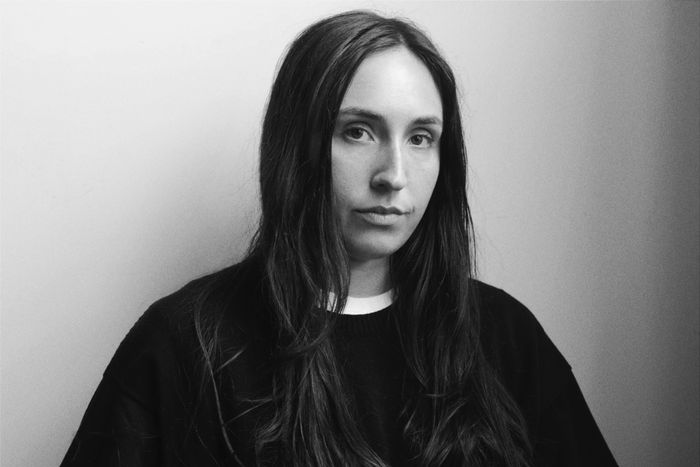
Photo: Justin Leveritt
What would it look like if a fashion designer approached a sweat suit the way a couturier would a sculptural gown? Emily Grey, founder of the label Grey’s, has an idea: a whisper-soft mulberry-silk pullover with wide trousers made from organic cotton and paper. “I like clothes that have a crisp but soft sensibility,” the 31-year-old says of her small but burgeoning New York–based brand. “Fully fashioned pieces that are easy to wear, made of natural materials, and with craftsmanship at the focus.” You’ll see that ethos on Rama Duwaji wearing a Grey’s knit sweater and skirt in her Cut cover shoot. And again on Uma Thurman, in a butter-yellow cocoon coat for the Times of London, and on Riley Keough in the embroidered duster from Grey’s spring 2026 capsule at the most recent Cannes Film Festival.
Clockwise from left: Photo: Daniel SheaPhoto: Daniel SheaPhoto: Daniel Shea
From top: Photo: Daniel SheaPhoto: Daniel SheaPhoto: Daniel Shea
A Central Saint Martins graduate who freelanced in London as a menswear designer before launching her own line in 2024, Grey initially focused on knitwear. Fine knits remain her brand’s highlights — the cotton-silk knit tees and wool sack coats in particular. But she’s now incorporating moleskin and leather into her lineups and experimenting with cut-and-sew patterns “as a real emphasis on the material and the make,” she says. Her spring 2027 collection, which she will show in New York as her first on-calendar presentation, is a 50-50 mix of traditional and pattern-cut knitwear. As for inspiration, the upcoming capsule will reflect Grey’s prerogative from the beginning. “Genuinely, what I’m inspired by are real clothes and American sportswear,” specifically citing the “late ’90s, early 2000s, pre-athleisure way of dressing” she saw while growing up in Los Angeles. “I want my work to integrate seamlessly into people’s preexisting wardrobes and be mixed in season-to-season.” You could call Grey’s an essentials brand, as other outlets have, but that’s not how the designer sees it: “Basics aren’t necessarily what I set out to make. I just think there’s something very special about real clothes and living in them day-to-day.”
Stay in touch.
The latest in style, self, culture, and power in your inbox.
Vox Media, LLC Terms and Privacy Notice
Related