
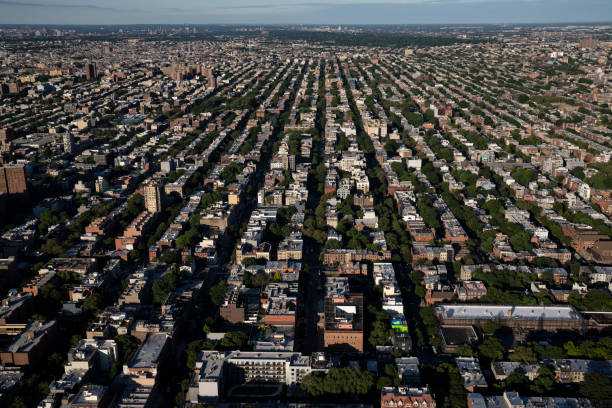
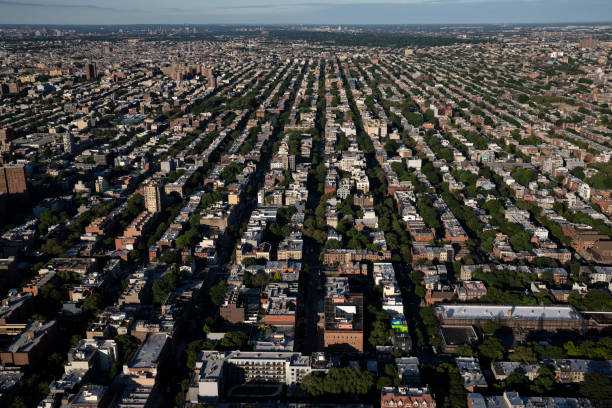
Short-term rental restrictions from Local Law 18 have contributed to hosts of these homes in Queens losing over $100 million since the law went into effect in 2023.
Photo via Getty Images
One- and two-family homeowners in Queens have lost more than $100 million in short-term rental income in the three years since Local Law 18 went into effect, according to a report from Airbnb.
Since the law was enacted, Queens has the second-highest amount of money lost by one- and two-bedroom home hosts among all New York City boroughs. Only Brooklyn has lost more, at over $157 million. The study determined these hosts have lost over $320 million citywide over these three years.
The law, which was passed in January 2022 and went into effect in September 2023, requires short-term rental hosts in New York City to register with the Mayor’s Office of Special Enforcement (OSE) and prohibits booking service platforms like Airbnb from processing transactions for unregistered short-term rentals. The host must be present during a person’s stay in order for homes to be made available on these booking service platforms.
Airbnb listings fell more than 90% across Queens, Brooklyn, the Bronx and Staten Island since Local Law 18 went into effect. Consequently, more people who travel to New York end up staying at corporate Midtown hotels or in New Jersey, leading to fewer contributions to New York City’s mortgages and bills and exacerbating the citywide housing crisis.
There has been a push from community members and local leaders to try and loosen restrictions on these platforms for New York City. One such effort is Intro 1107, which would amend the city’s short-term rental policies to allow owners of one- or two-family homes to rent out their space to up to four adults plus children, as well as to eliminate the need for homeowners to remain present when posting their homes on booking service platforms.
Another proposal, Intro 879, would allow homeowners to share their homes with up to four people rather than the current limit of two. The proposed amendment would also let homeowners lock their bedrooms, closets and offices and let them host even if they are not present.