
Nearly two dozen New Yorkers have been diagnosed with West Nile virus since the five boroughs’ first human case was reported in August, city Health Department data shows.
The agency has recorded 23 human cases of the virus, including eight in Brooklyn, five in Queens, five on Staten Island, three in the Bronx and two in Manhattan.
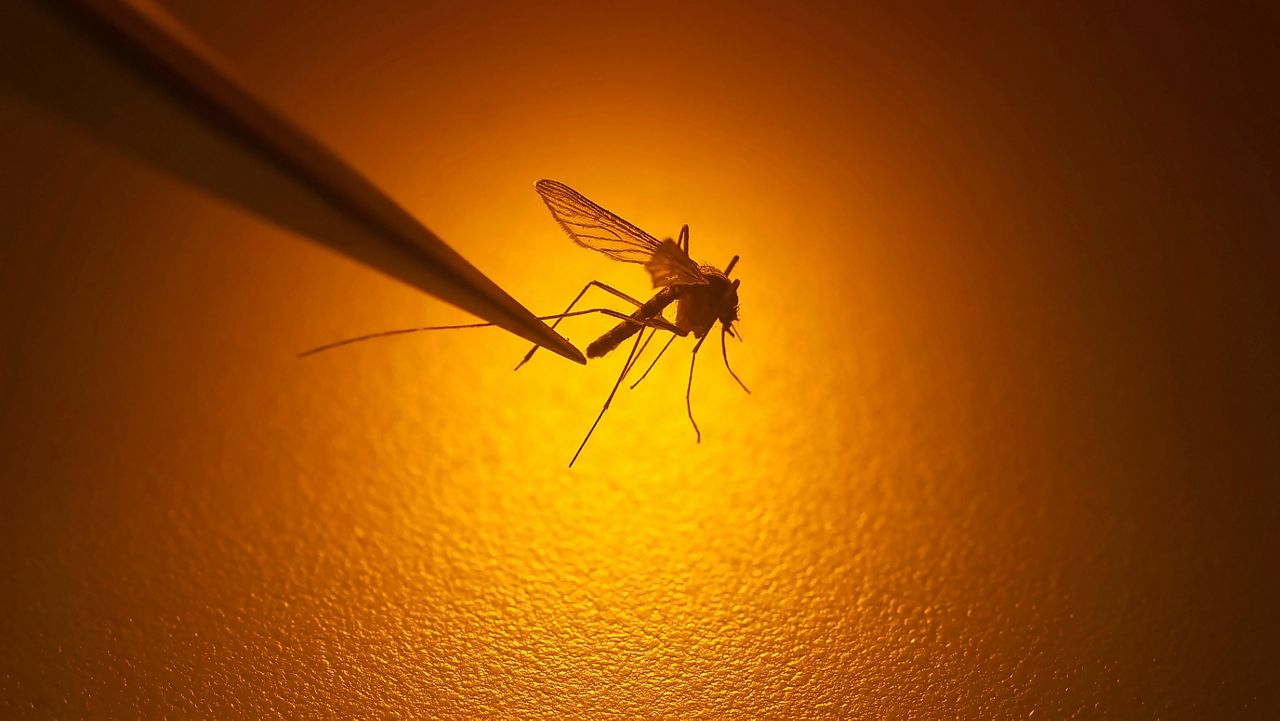
West Nile virus is primarily spread through the bite of an infected mosquito, and does not spread from person to person through casual contact, according to the Health Department and the U.S. Centers for Disease Control and Prevention.
The Health Department said the virus has been detected in mosquito pools in all five boroughs since June, with the first positive pool identified on June 16.
More than 1,600 mosquito pools have tested positive for the virus citywide this year, according to the department.
Most people infected with West Nile virus do not develop symptoms, the department said. Those who do may experience mild to moderate symptoms including fevers, headaches, muscle aches, rashes and fatigue.
About one in 150 people infected with West Nile develop a serious illness affecting the brain and spinal cord, according to the Health Department.
Older adults and people with weakened immune systems are at greater risk of severe illness.
Health officials are urging New Yorkers to take precautions, including using insect repellent, wearing long sleeves and pants outdoors and limiting outdoor activities around dawn and dusk, when mosquitoes that carry West Nile virus are most active.
Mosquitoes are most active in New York City from April through October, peaking in August and September, according to the Department of Health.
Nationally, the CDC has reported more than 670 human cases of West Nile virus so far this year.