
NYC will invest in programs to keep kids out of jail and renovate youth detention centers as part of an effort to address overcrowding and poor conditions, officials announced on Tuesday.
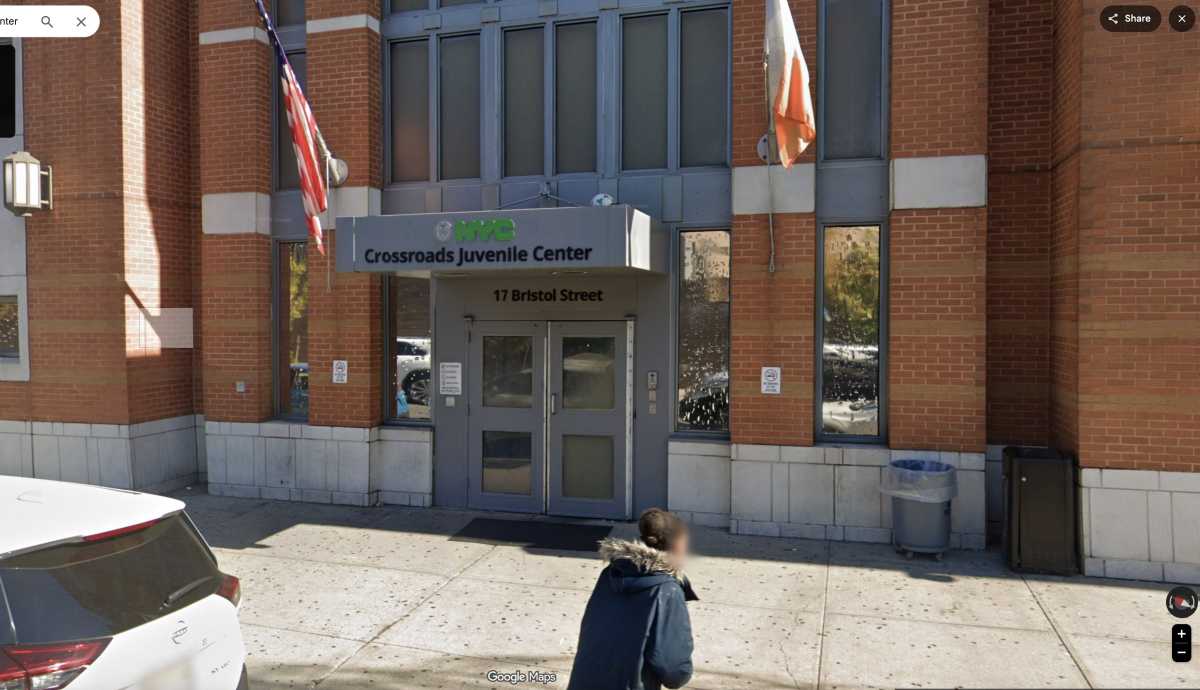
Three city agencies — the Administration for Children’s Services (ACS), Mayor’s Office of Criminal Justice, and Department of Probation (DOP) — said a new plan will reduce the number of kids behind bars at the city’s two youth detention centers: Horizon Juvenile Center in the Bronx and Crossroads Juvenile Center in Brooklyn, both operated by ACS.
The city said the plan aims to reduce the number of incarcerated youth ages 14 to 20 by expanding community programs, family therapy and other services to help “court-involved” young people stay out of jail. A new intensive monitoring program, the city said, will allow some young people to remain at home during their court cases while receiving supervision, guidance, education, job assistance and other support.
Young people accused of crimes at Horizon and Crossroads face a range of criminal charges, including serious felony cases, while their cases move through the court system.
Although the city did not yet reveal how much the investment would cost, the funding would also help improve conditions for young people in custody by expanding educational, wellness and recreational programming, strengthening security, increasing staffing and upgrading existing facilities.
‘Dangerous and unlawful’ conditions
Lawyers from the Legal Aid Society have long called for ACS to end what they have called “dangerous and unlawful” conditions for detained youth. Attorneys from the organization have even said children often sleep on floors and do not always have access to basic hygiene or privacy at Crossroads or Horizon.
ACS Commissioner Rebecca Jones Gaston said in a statement that the agency is committed to providing a safe and supportive environment for both kids and staff at its detention centers.
“We will continue our work to improve the conditions of care, including by renovating our existing facilities, enhancing security measures, onboarding additional staff members, developing updated staff training, and increasing youth educational opportunities, as well as, investing in youth workforce development and training programs,” she said.
The city said it would also pilot a 6-week, “trauma-informed youth development program” designed to help justice-involved young people strengthen self-awareness, build resilience, develop self-advocacy skills and take greater ownership of their personal narratives.
As part of the program, participants will receive 24 hours of direct engagement focused on identity development, emotional awareness, communication, future planning, leadership and self-advocacy.
“The ultimate goal is to provide trauma-informed supports and opportunities to help young people make different choices in order to thrive regardless of what’s next in their lives,” Jones Gaston said.
Overcrowding
Overcrowding is a key concern at the city’s juvenile detention centers. As of May 13, there were 362 youth in secure detention in the city, putting both centers above capacity.
According to the city’s plan, reducing court delays could help ease overcrowding by allowing cases to be resolved more quickly, potentially shortening the amount of time young people spend in detention awaiting the outcome of their cases.
Young people who behave well and are deemed appropriate by a judge could be moved from secure detention to less restrictive, nonsecure facilities under the new plan.
Dawne Mitchell, chief attorney of the Juvenile Rights Practice at Legal Aid, said she “welcomed” the city’s outline of reforms.
“For years, we have called for meaningful action to address overcrowding and unacceptable conditions in the city’s youth detention facilities and reduce the city’s reliance on secure detention,” she said. “We appreciate the administration’s commitment today and expect the City to act with the urgency this problem demands.”
Prevention
Meanwhile, the city said its plan will also focus on programs designed to keep kids out of the justice system and provide support to those leaving detention. The programs, officials said, will address mental health needs and provide services to help young people transition back into their communities.
The DOP said it started returning court liaisons to city courts in April to help young people and families access school records and connect with schools and social services; officials added they will also increase funding for organizations that provide reentry services to justice -involved and at-risk youth.
“Public safety is strengthened when we give young people the structure, accountability, and support they need to make better choices, and DOP is committed to working with the mayor’s office and stakeholders to ensure that young people are surrounded with resources needed to succeed,” NYC DOP Commissioner Sharun Goodwin said.