
ROCHESTER, N.Y. — The NFL season is underway, sports betting is more accessible than ever and prediction markets are on the rise.
“It’s not gambling; it’s not sports betting in particular. But it’s basically commodities trading, which is, you know, protected and it’s not regulated by the state, but it’s regulated by the federal government,” said John Wolohan, professor in the Falk College of Sport at Syracuse College of Law. “It’s basically an events contract. So we can put a contract on anything. Will the sun come up tomorrow? Yes or no. And once again, depending on who’s buying into those contracts, that’s going to determine the odds. So it’s all based on probability.”
Wolohan says signing a contract, in this case, is similar to placing a bet. Prediction markets look at the odds of a specific event, but with that, he says there’s possibility for corruption.
“In the sports world, it’s a major concern because the fear is that it’s going to impact the integrity of the game. In the integrity of the sport. Once again, the problem with professional sports and owners is greed,” he said.
Wolohan says money has poured into the industry throughout the past decade. The recent World Cup in North America, for example, brought in billions of dollars to the industry.
“The government is kind of looking at this and the states are looking at this. New York state just filed regulations that said that predictive markets are sports gaming and they are illegal under New York state law,” he said.
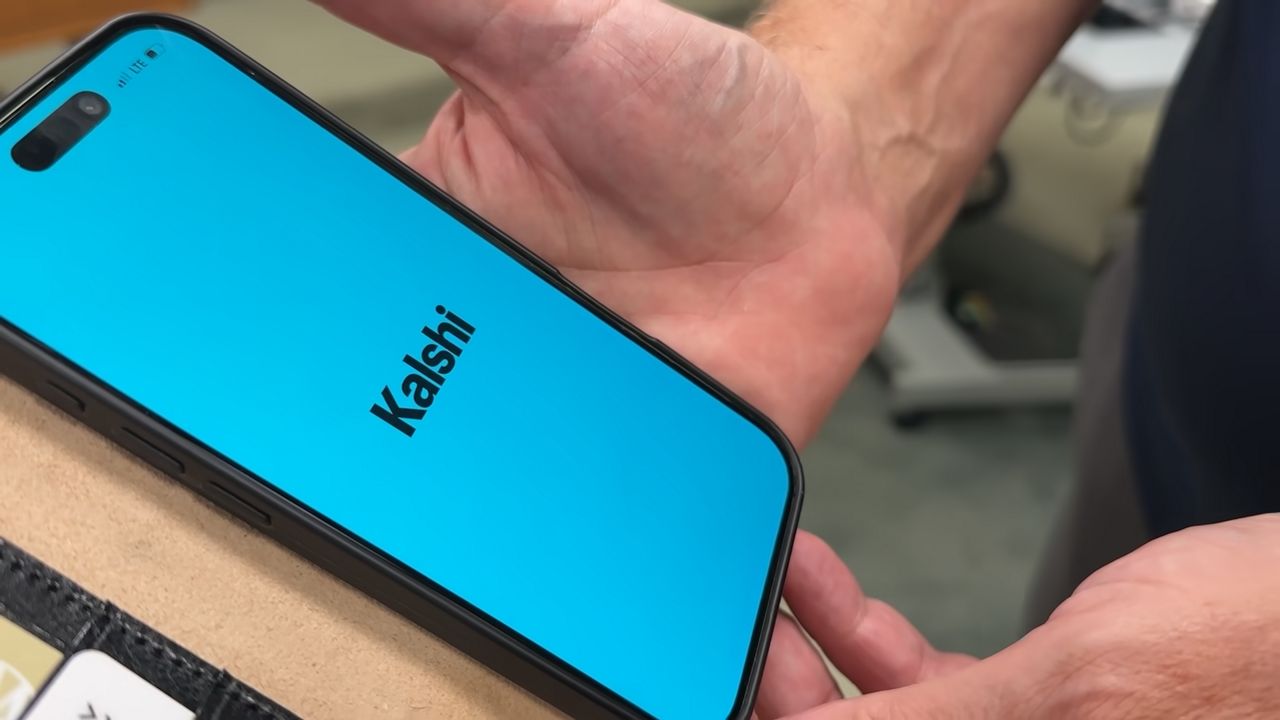
New York Attorney General Letitia James recently filed a lawsuit against leading prediction market company, Kalshi, which claimed it should be paying 51% of all tax revenue. That’s the law for casinos and other sports betting businesses that use a sportsbook to set the bets. James says that would amount to at least $36 billion owed to the state by Kalshi alone. However, Kalshi argues it does not use a sportsbook, as traditional sports betting requires.
“Predictive markets say, ‘Wait a second. We’re different. We’re not sportsbooks. We don’t set the line. It’s set by the gamblers, or the people who take out contracts on futures events. And so we’re different. We’re not involved,’” Wolohan explained. “There’s just a contract there, and we get out of the way. Will this event happen? Will Syracuse win the game? Yes or no. And how the odds are established is based on the market itself. Who’s putting money in? So it’s different as opposed to a sportsbook setting the line compared to people coming into the market setting the line.”
An individual can buy a contract at any point, too, whether a sports event has already begun, a political debate is well underway or another high-stakes event is almost over. Wolohan says this can be a steep decline for individuals who struggle with a gambling addiction.
“I can keep doing it throughout the game. That’s addictive, right? You get hooked, you win. There’s a rush there. And if you lose, you’re always chasing the losses, right? And that’s the problem. And this is where people get in trouble,” Wolohan explained. “Gambling itself is one of the largest social problems we have in this country. Increased crime, increased domestic abuse and increased suicide. More so than drugs and alcohol. More people kill themselves because of gambling problems. And one of the problems with gambling, I can keep it hidden, right? My financial problems — I just lost my house in my bet. You don’t see that, right? I can keep that from my wife. Whereas if I have a drinking problem, she’s probably going to know if I have a drug problem. She’s probably going to know because of my behavior. And I can either get help sooner.”
The State Office of Addiction Services and Supports launched a 10-year statewide study this year to track addiction behaviors. New York state has expanded its gambling addiction resources since it legalized mobile sports betting in 2022.
This year’s state budget allocated more than $9 million for problem gambling services and tax revenue attribution. If you or a loved one is seeking help with a gambling addiction, you can receive confidential support, 24/7, through the HOPEline. You can call 877-846-7369 or text 467369.