
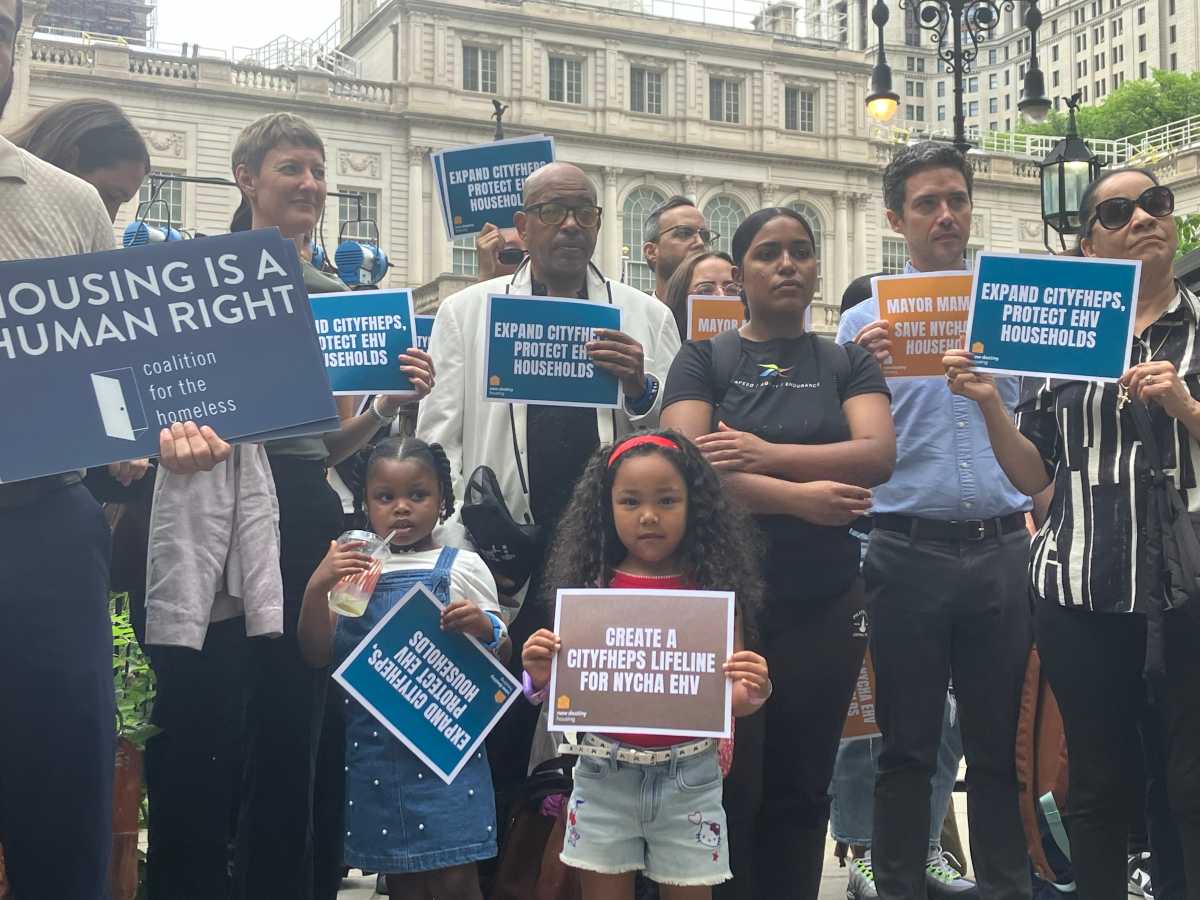
After years of hard work and advocacy, New York City has made a major commitment to confronting its homelessness crisis. The recently adopted city budget includes a significant expansion of rental assistance, giving thousands more New Yorkers a pathway from shelter and housing instability to permanent, stable homes. Now, the focus must turn to implementation. If we are serious about making this investment work, we must ensure that families can actually use the vouchers they receive without being held back by unnecessary bureaucratic delays.
That starts with passing three critical bills now before the City Council that would tackle some of the CityFHEPS housing voucher program’s most persistent bottlenecks and pave the way for a smoother expansion. Together, these bills would speed up approvals and placements, improve the process for determining whether an apartment is habitable and provide greater transparency into how long it takes voucher holders to actually secure housing. They are essential to ensuring that the City rental assistance can deliver on its promise.
The first two bills would speed up approvals and placements and improve the process for determining that a dwelling unit is habitable. Too often, apartments sit empty while families remain in shelter because of redundant or convoluted inspection procedures. Families and landlords alike deserve answers in a timely manner: setting firm response times will create accountability and reduce uncertainty around whether an application is approved. Every unnecessary delay has a real cost for families – it can mean a child spending another birthday in a shelter or commuting to their first day of school from one. These bills would help ensure that once an apartment meets established standards, families can move in without unnecessary delay.
The third bill would require reporting on lease-up times for housing vouchers and increase access to data necessary to evaluate the program’s performance. We cannot fix what we cannot measure. By tracking how long it takes for approved voucher holders to actually move into apartments, the city can identify where to cut red tape and drive continuous improvement. That information will also allow the Council and the public to see where delays are occurring and whether reforms are actually getting people into housing faster.
These common-sense reforms would make CityFHEPS more efficient and accountable, respect taxpayers by reducing shelter costs, and, most importantly, recognize that every additional day a family spends in shelter is a day too long.
CityFHEPS is not only the most humane solution to family homelessness, it is also the most fiscally responsible. A recent report from Win found that New York City could save as much as $635 million by moving families out of shelter and into permanent apartments using CityFHEPS vouchers. While shelters pose an enormous cost to the city, stable housing costs less and delivers far better, lasting outcomes for children, parents, and communities.
But an expanded program will only succeed if it can deliver housing quickly and efficiently. As more New Yorkers become eligible for rental assistance, fixing these administrative barriers becomes even more important. Needless red tape has plagued and prolonged homelessness for far too many New Yorkers. Families who have followed the rules and done everything right – secured a voucher, found an apartment, completed the mountain of required paperwork – still face bureaucratic delays that can cost them the unit they fought so hard to secure.
Win has documented these barriers through its work with families experiencing homelessness, including in Housing More New Yorkers, a policy roadmap released with the Real Estate Board of New York (REBNY). Our experience with voucher holders, landlords and constituents has informed the three legislative solutions now before the Council.
CityFHEPS works when New Yorkers can actually use their vouchers to move into permanent homes. With roughly 30,000 children sleeping in shelters across New York City, we cannot allow administrative delays and outdated processes to blunt the impact of that investment. Getting this right means helping families move into permanent homes as quickly as possible.
Together, we call on the City Council to pass these three bills and ensure that the expansion of rental assistance is backed by the accountability, transparency and efficiency necessary to deliver for the New Yorkers counting on it.
New York has made the investment. Now we must make sure the system works.