
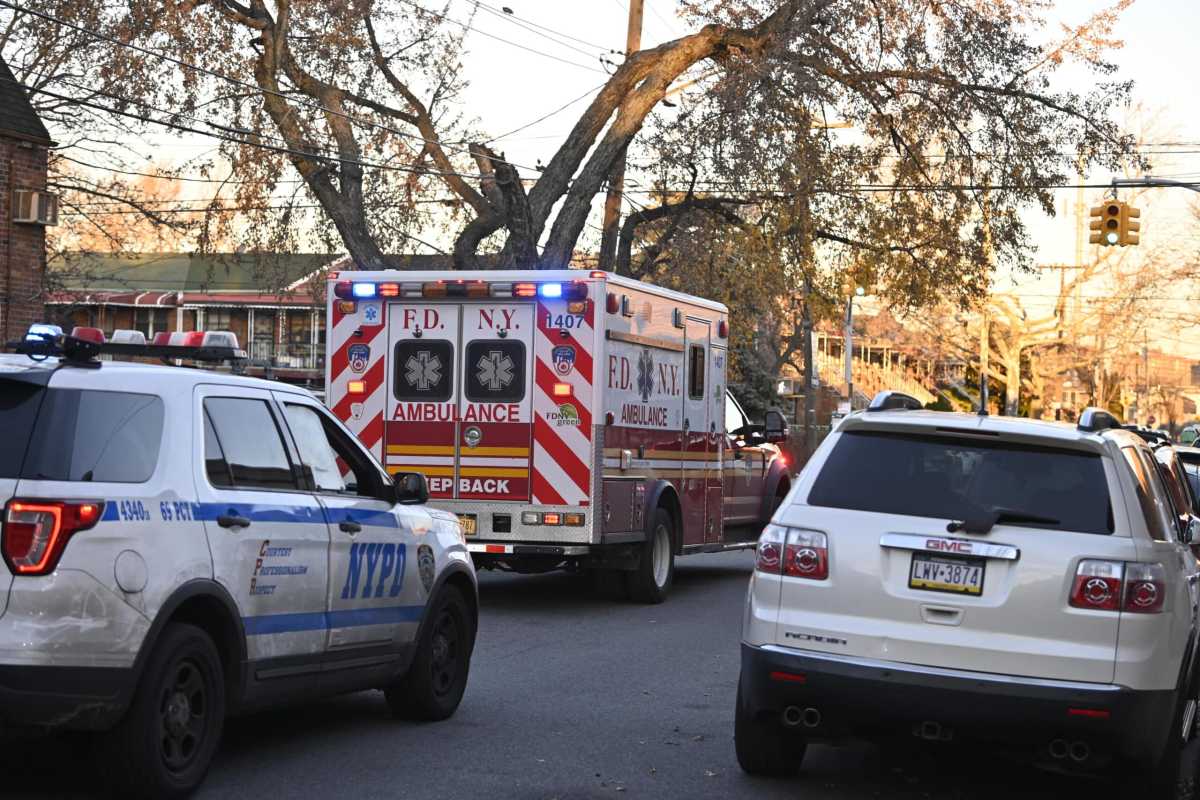
Emergency medical response times in NYC continue to rise as FDNY EMS faces declining staffing levels and fewer ambulances available to respond to 911 calls, according to the city’s latest Mayor’s Management Report (MMR) released last week.
The report, which is essentially a performance report on the mayor, shows that FDNY EMS responded to more than 1.6 million medical emergencies during fiscal year 2026 — a year split between Mamdani, who took office on Jan. 1 of this year, and former Mayor Eric Adams. The city’s data also shows response times to life-threatening medical emergencies have continued to increase in recent years.
In 2025, FDNY EMS responded to 1,613, 282 medical emergencies. Average response times to the most serious, life-threatening medical emergencies rose nearly two whole minutes — from 11:21 in 2025 to 13:09 in 2026, according to the report.
The response-time increases have continued into 2026. During the first four months of fiscal year 2026, the average ambulance response time to life-threatening emergencies was 9 minutes, 30 seconds for dispatch and travel time, compared with 8 minutes, 48 seconds during the same period the previous year, according to City Council documents citing FDNY data.
Leaders from FDNY EMS Local 2507, which represents EMTs and paramedics, said staffing shortages are a major factor behind the worsening response times. Union leaders have also pointed to low wages and difficult working conditions.
“If it is your loved one having a heart attack, a stroke or suffering a seizure, three and a half additional minutes is an eternity,” FDNY EMS Local 2507 President Michael Greco said. “We are the people’s first responders, but if we do not have enough available staff or a sufficient number of ambulances in each of the five boroughs, innocent lives will be lost.”
According to the union, FDNY EMS members start at $18.94 an hour; minimum wage in NYC starts at $17 per hour. Local 2507 reps said the low pay has played a role in the job’s high turnover.
Also, 11 hospitals have removed their ambulances from the 911 system during the fiscal year, as more EMTs made the move into FDNY firefighting positions.
According to Local 2507, EMS crews responded to 610,771 of the most serious, life-threatening emergency calls in fiscal year 2026. These calls include cardiac arrests, strokes, choking incidents, gunshot wounds and other severe trauma.
“Being an EMS first responder is a difficult, dangerous, and extremely stressful job. Our members are unsung heroes and truly miracle workers,” Greco said. “Burnout and stress among our workforce are massive, and running at such a blistering pace to respond to one life-and-death situation after another, without sufficient staffing and resources, is unsustainable.”
He added that NYC leaders need to “do something rapidly” to address the crisis.
“We are the busiest emergency medical response agency in the world, and busier than ever saving the lives of our fellow New Yorkers,” he said. “Paying living wages comparable to other first responders to the mostly female and minority EMS First Responders is critical.”
The Mamdani administration’s response
Although the EMS crisis is not one that began under the Mamdani administration, amNewYork contacted the mayor’s office to ask about his plans for fix the ongoing crisis.
According to a statement from the FDNY, which has attributed the increase in emergency response time to several factors including fewer ambulances on the street and record-breaking call volume, the agency is taking steps to improve service.
“We take response times extremely seriously and will continue to take steps to improve response times and keep New Yorkers safe,” the staement read. “That includes improving coordination with hospitals, enhancing efficiency in high-volume areas, and increasing operational visibility to help return units to service quickly.”
Additionally, the mayor said in the MMR report that he would use the data to improve city services.
“In the report’s foreword, Mamdani pledged to use the data to improve city services. “We will use this data to drive improvement, make it easier for New Yorkers to get the services they deserve and build a government that earns their trust by delivering every single day,” he said.
Meanwhile, Local 2507 reps estimate that more than 1,500 EMS workers — about 37% of its workforce — could leave for other careers over the next year if wages do not increase.