
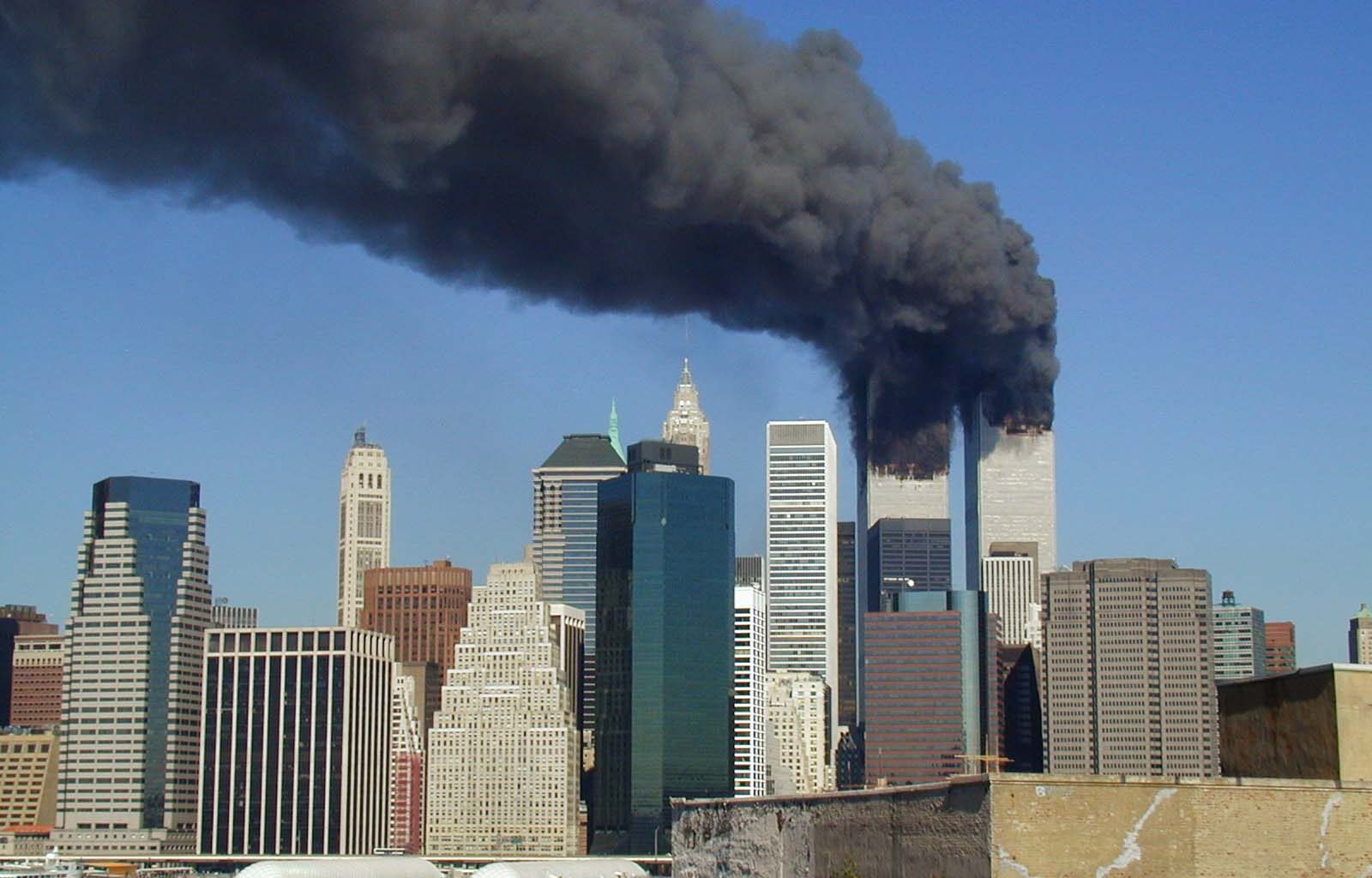
Mayor Zohran Mamdani announced on Sept. 8 the release of more than 170,000 pages of city records on downtown Manhattan’s air quality and the government’s response after the 9/11 attacks. The release came alongside a settlement of two lawsuits brought by the advocacy group 9/11 Health Watch, ending a multi-year legal fight over the records.
The documents are available through a new online 9/11 Document Portal, funded with $34 million from Mamdani’s fiscal year 27 budget. It includes the long sought Harding Memo, an October 2001 memo from then Deputy Mayor Robert Harding acknowledging the city knew of air quality dangers and legal liability even as officials publicly said the air was safe.
The release also includes what became known as the 68 boxes, which are records that were not located until last year despite years of Freedom of Information Law requests, along with files concerning 7 World Trade Center.
Advocates, survivors and elected officials have pushed for access to these records for nearly 25 years. Mamdani said at a news conference that “people got sick because the leaders they trusted lied and told them they were safe to breathe in toxic air,” adding that administration after administration had ignored calls for answers, per ABC News.
Corporation Counsel Steven Banks said survivors and families asked for more transparency for years and that the documents are essential to understanding the city’s actions in the months and years after the attacks.
9/11 health advocate and board member Jon Stewart spoke at the conference, where he said victims had to fight for the documents while “sick and dying.” He said the city knew of the toxic conditions and “covered it up to get back to business as usual.”
New York Rep. Jerry Nadler said the newly released records show officials under then Mayor Rudy Giuliani predicted thousands of responders and residents would face long-term health consequences from the toxins, according to CBS News.
A spokesperson for former Mayor Eric Adams said any post-9/11 air quality documents should be released, though they noted Adams did not create or control records from prior administrations.
Air quality reports, contamination records and correspondence from city staff show how health officials were still finding evidence of asbestos 10 months after the attacks, long after officials had assured New Yorkers the air was safe. Some of the newly released asbestos reports show levels below limits set by environmental and worker protection agencies, while others show higher levels, CBS News reported.
The city’s Law Department worked with 9/11 Health Watch to identify records for the release while redacting personally identifiable information. Officials said the portal will be updated over the next 12 months as additional records are reviewed, with more documents added on a rolling basis.
Mamdani’s administration will also appoint staff at the Department of Citywide Administrative Services and New York City Public Schools to help New Yorkers use the records as proof they were in the designated exposure zone. Doing so would let them access the two Federal Programs created under the Zadroga Act, the World Trade Center Health Program and the September 11th Victim Compensation Fund.