
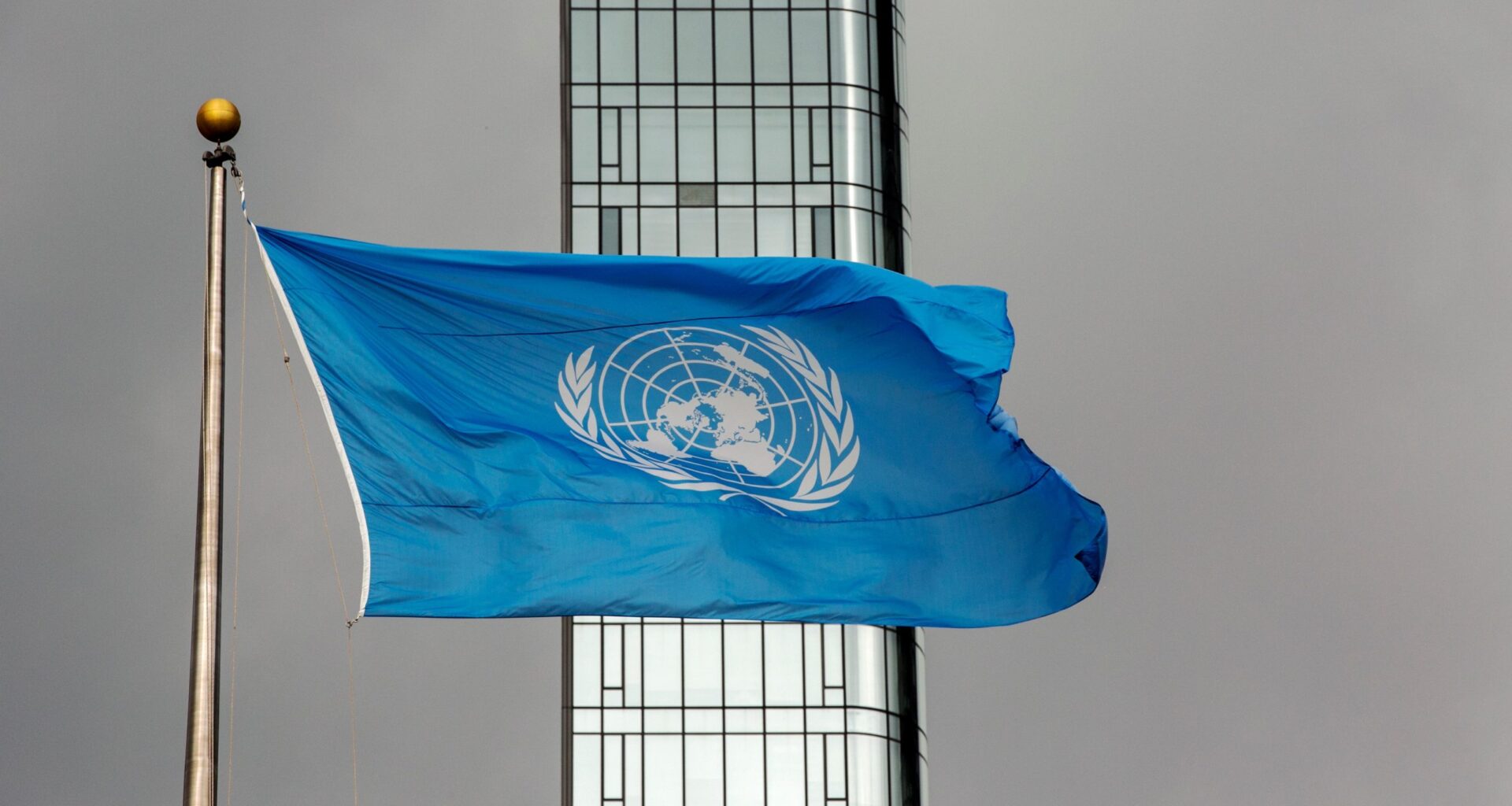
A reported U.S. move toward strikes in Yemen highlights how quickly the Iran-Houthi conflict could expand as world leaders gather at the UN.
The United States came extraordinarily close over the weekend to opening another front in a Middle East war that is proving increasingly difficult to contain.
President Donald Trump reportedly moved toward authorizing U.S. airstrikes against Iran-aligned Houthi forces in Yemen before calling off the operation. While the reported strike order has not been publicly confirmed by the White House, Saudi Arabia and Yemen’s internationally recognized government have sought U.S. military assistance as Houthi forces expanded their offensive.
The episode is important even though American bombs never fell. It suggests direct U.S. intervention against the Houthis has moved from a hypothetical possibility to an option seriously considered as Washington confronts a conflict spreading across multiple fronts.
That is the backdrop as Trump joins world leaders at the United Nations General Assembly in New York this week for what could be consequential Middle East diplomacy. The central question is whether months of military pressure have created leverage for negotiations or merely set the stage for another escalation.
The immediate pressure is coming from Yemen. Houthi forces have pushed toward strategically important highlands overlooking Yemen’s Red Sea coast and the approaches to the Bab el-Mandeb, the narrow maritime passage linking the Red Sea and the Gulf of Aden. Saudi Arabia again faces missile and drone threats from the group, while the fighting has become increasingly intertwined with the broader confrontation involving Iran, the U.S., Saudi Arabia and the security of two of the world’s most important maritime choke-points.
At the other end of the Arabian Peninsula, the Strait of Hormuz remains severely disrupted. Preliminary shipping data showed only two tracked commodity vessels crossed the waterway Monday, compared with roughly 125 large commercial vessels per day before the Iran conflict began Feb. 28. While some ships may be traveling with tracking systems switched off, the decline illustrates the scale of the disruption.
Saudi Arabia restarted its East-West Pipeline Tuesday, allowing crude oil to bypass Hormuz and reach the Red Sea port of Yanbu. Before it was shut down after drown attacks on Sept. 13, the pipeline was rerouting roughly 4 million barrels of oil per day, about 4% of global supply.
The development underscores how military operations, energy security and diplomacy have become increasingly connected.
That makes this week’s diplomacy in New York particularly important. Trump is scheduled to meet representatives from Saudi Arabia, the United Arab Emirates, Qatar, Oman, Bahrain and Kuwait, with Iran and the Houthi offensive expected to figure prominently in the discussions.
A direct meeting between Trump and Iranian President Masoud Pezeshkian has not been publicly confirmed, although both leaders are in New York, creating opportunities for direct contact or diplomacy through intermediaries.
Washington’s goal is likely broader than another temporary ceasefire. The U.S. needs an arrangement capable of reducing direct hostilities with Iran, restoring reliable commercial passage through Hormuz and preventing the Saudi-Houthi confrontation from pulling American forces into another combat front.
The challenge is determining what Iran would receive in return.
Any serious negotiation could involve sanctions relief, restrictions on military operations or limits on maritime arrangements. Tehran’s relationship with the Houthis adds another layer of complexity. China has pressed Iran to use its influence to restrain Houthi attacks after Saudi Arabia sought Beijing’s help, raising the possibility that Yemen could become part of a broader diplomatic bargain.
Still, a Washington-Tehran agreement that stops direct U.S. and Iranian attacks but leaves Saudi Arabia fighting an increasingly powerful Houthi movement would not resolve the regional conflict. It would simply change its shape.
That is why the reported U.S. preparations for strikes against the Houthis are significant. The U.S. didn’t enter the renewed Saudi-Houthi war over the weekend, but another major Houthi attack could put that decision back before Trump quickly. An attack that kills Americans, inflicts substantial Saudi casualties or seriously damages critical energy infrastructure would increase pressure on Washington to respond.
At the same time, Iran and the U.S. continue exchanging warnings. Trump has pressed Tehran to reach a deal, while Iranian officials have warned against additional American escalation. Diplomacy is taking place alongside military pressure, not replacing it.
History suggests governments often increase military pressure before negotiations to strengthen their bargaining positions, but actions intended as coercive signaling can also be interpreted as preparations for attack.
There is also no credible public timeline for ending the war. The more realistic near-term objective remains a ceasefire or significant de-escalation rather than a comprehensive settlement.
New York provides a rare opening because many of the key players, or governments capable of communicating with them, are gathered in one place. Oman and Qatar have experience serving as intermediaries, while Saudi Arabia and other Gulf states have strong incentives to reduce threats to their territory, shipping lanes and energy infrastructure.
The battlefield, however, is sending a different signal.
The Houthis are advancing. Saudi Arabia is fighting them. Hormuz remains severely disrupted. And Washington reportedly came close to entering the Yemen conflict directly. Even a U.S.-Iranian agreement would not automatically end the Saudi-Houthi confrontation.
There appear to be two different timelines. One is how quickly Washington and Tehran could stop direct hostilities and stabilize Hormuz. That could potentially happen relatively quickly if diplomacy succeeds. The second is how long it would take to resolve the broader conflict involving Iran, Yemen, the Houthis, Saudi Arabia and other Gulf states. That second timeline is considerably more difficult.
The most important outcome of this week’s meetings may not be a peace agreement, but the creation of a credible negotiating process. Direct or indirect communication between Washington and Tehran would be the first indicator of progress. The roles of Oman and Qatar will also be important, along with what Gulf leaders ask Trump for and whether the U.S. moves additional military assets toward Yemen.
Ultimately, the Houthis may determine how much time diplomacy has. Another successful attack causing significant casualties could overwhelm negotiations and return the question of direct U.S. intervention to the White House.
Even though the U.S. avoided getting into another Middle East front over the weekend, the reported preparations suggest it came close. New York now offers an opportunity to step back from that threshold. Whether diplomacy succeeds could help determine whether the war moves toward containment or expands once again.
Get breaking news and daily headlines delivered to your email inbox by signing up here.
© 2026 WTOP. All Rights Reserved. This website is not intended for users located within the European Economic Area.