
The New York state Comptroller’s Office last month released a report about artificial intelligence governance at SUNY campuses. The report, which covered from January 2019 to October 2025, found that the State University of New York (SUNY) does not have an effective AI governance framework and doesn’t ensure AI use or address the risks.
“The campus itself is protecting me pretty well,” said Jaxon Leonard, a student at Onondaga Community College. “It’s just, like, the underlying thought that there could possibly be some of my information going out there that I don’t really want out there.”
“With how it’s growing, I think we need to slow down so we can put more security in,” said Timothy Tubman, another student at the college.
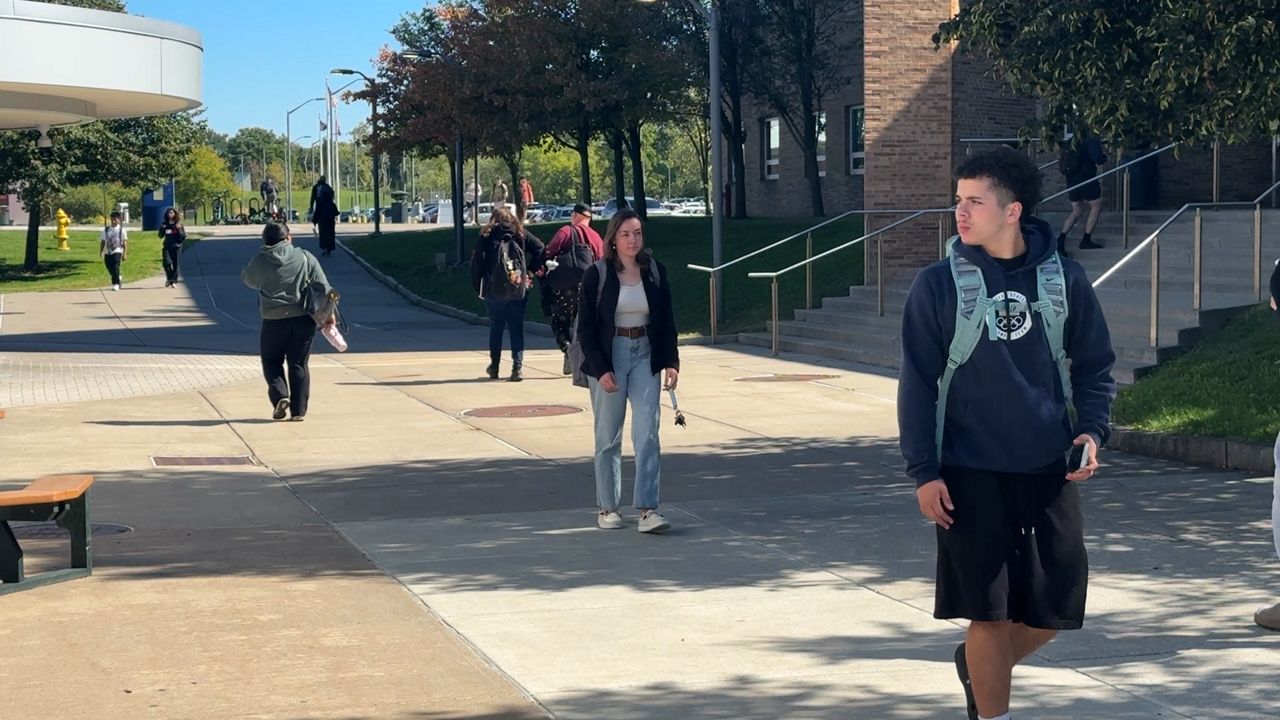
Onondaga Community College was one of the campuses audited in the report. The comptroller looked at its tool used to predict student retention. Officials from the campus told the comptroller they didn’t believe the tool was using AI, but based on the details, it was.
“They’re one campus that actually understands the importance of human in the loop, having an individual basically look at basically what the system is producing and saying, you know, that’s helpful, but it’s not the basis of a decision,” said Tina Kim, deputy comptroller for state government and accountability. She said it’s important that the AI being used is not biased and is accurate.
Since the report came out, the college has taken steps to improve its policies. It created an AI advisory committee that will be tasked with multiple goals that include coordinating with the college and other administrative bodies on AI initiatives, integration and policies that impact faculty. It will also establish feedback and survey structures to collect student and faculty perspectives.
“So, we were very happy to note at the end of the audit when we got their response that, you know, SUNY overall had issued a framework, created a definition and then asked all the campuses within their system to actually, put together their own policies and procedures, which we think is a really positive step forward,” said Kim.
OCC said it will continue to work with its vendors and SUNY to improve AI policies and governance.
SUNY echoed the same message by issuing a statement.
“SUNY continues to demonstrate leadership in the responsible use of AI to support our students and advance groundbreaking research for the public good. Because the OSC report concluded its information-gathering in October 2025, it does not reflect SUNY’s significant progress and safeguards, including SUNY’s adoption last spring of a Systemwide Artificial Intelligence Policy Framework following months of engagement with campus leaders, faculty, staff, and researchers. SUNY will continue to respond deliberatively and in real-time to the rapidly evolving world of AI and in collaboration with the Comptroller’s Office and other partners in State government.”