
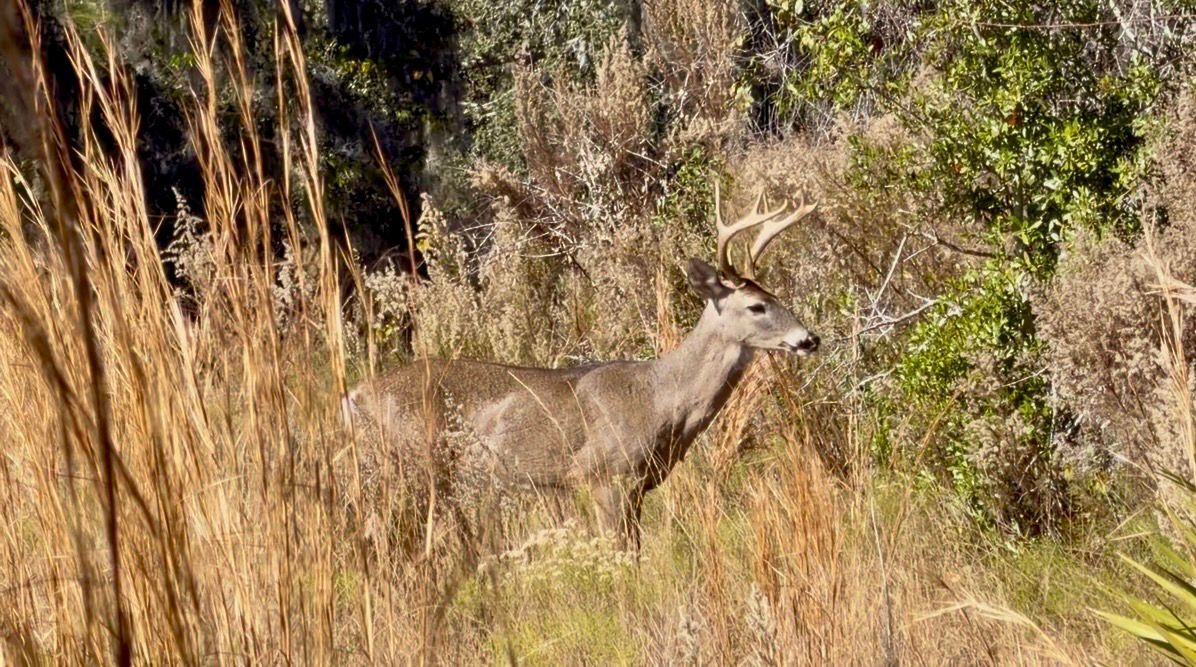
The overpopulation of deer is prevalent in many communities across New York state, which can cause an uptick in Lyme disease cases and deer related car crashes. That’s why Syracuse adopted a deer management program in 2019.
“By helping control our deer population, it really assists with, again, improving quality of life, but then really making sure there’s a preventative element that we can take to prevent tick-borne illnesses and things like Lyme disease,” said Eric Ennis, the chief development officer for the city of Syracuse.
The program has so far removed almost 800 deer in the seven years since its inception. Last season was the second highest year on record, removing just under 150 deer. City officials believe the program is working.
“We look at data like traffic incidents involving deer, those are some of the lowest that we’ve seen on record, so those are indicators that there is real progress or momentum,” Ennis said.
But there’s still room for improvement. There are still concerns about the rise in ticks despite the program’s progress. SUNY Upstate data says last year, the number of overall tick infections jumped by almost 150% in Onondaga County.
“The cull number, which is the second highest, apparently, that we’ve ever done, is not impacting enough of the of the human health related illnesses,” Common Councilor At-Large Hannah Ehrenreich said.
But there is one area where the program goes above and beyond: taking the opportunity to feed the hungry. The deer that are hunted by U.S. Department of Agriculture hired wildlife managers are then taken to Marsh Mill Ranch to be processed and then donated.
Last season, the 147 deer that were culled amounted to almost 4,000 pounds of venison that was delivered to the local food bank — that’s just under 16,000 meals for the community.
“I love giving that kind of quality product for people that can’t afford it, that can’t do it, you know, they’re struggling,” said Don Cottet, the owner of Marsh Mill Ranch. “And we’ve all at some point in our life have struggled and didn’t have a lot of money, and so this gives me an opportunity to really fill that need.”
And the Food Bank of CNY says it makes a clear difference.
“It seems to be pretty widely accepted and enjoyed at this point, so a steady supply of nutritious, desirable protein is a great outcome for us,” said Brian McManus, the food bank’s chief operations officer.
The deer management program will officially begin in December and runs through March. This season, the city says it hopes to continue to build on the momentum of seasons’ past and identify additional coverage areas and other preventative measures that can be taken against the spread of tick-borne illnesses.