
STATEN ISLAND, N.Y — Why is a steak so expensive in New York? Why are tomatoes still pricey even at the height of harvest season?
Don’t blame the farmer or shoot the messenger. The answer, according to trucking executives, grocers and distributors, lies in costs that accumulate long before a product reaches a supermarket shelf or restaurant kitchen.
In midsummer, Zach Miller, vice president of the Trucking Association of New York, gave New York City Council members a presentation called “Trucking 101,” arguing that transportation costs are among the least visible drivers of prices across New York.
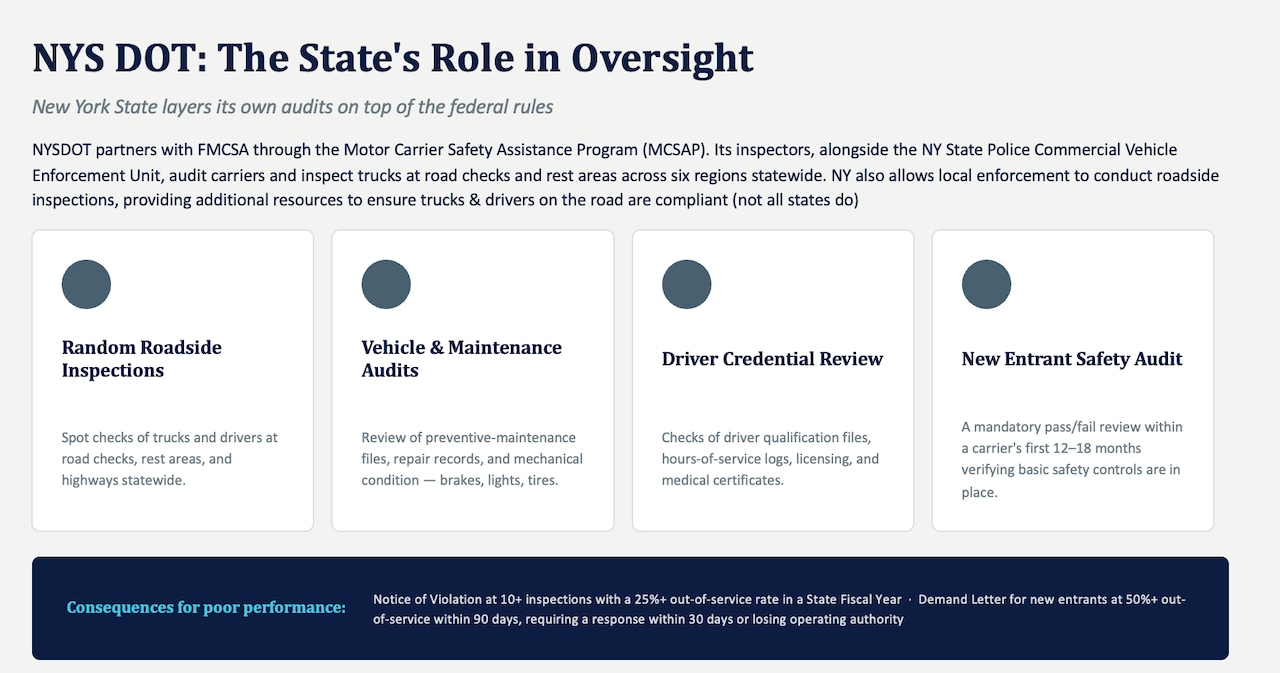 A slide from the Trucking Association of New York’s “Trucking 101” presentation highlights the layers of truck inspections and enforcement that carriers face in New York.(Advance/SILive.com | Pamela Silvestri)
“Everything that they see will have come from a truck,” Miller told Advance/SILive.com, noting that an estimated 90% of goods and services in New York arrive by truck. “If something has an impact on the industry, it’s going to have an impact on them.”
As voters head to the polls this November, debates over taxes and the cost of doing business continue to shape conversations across the food industry. Businesses throughout the food supply chain absorb those costs, which ultimately are reflected in the prices consumers pay at restaurants, supermarkets and neighborhood bodegas.
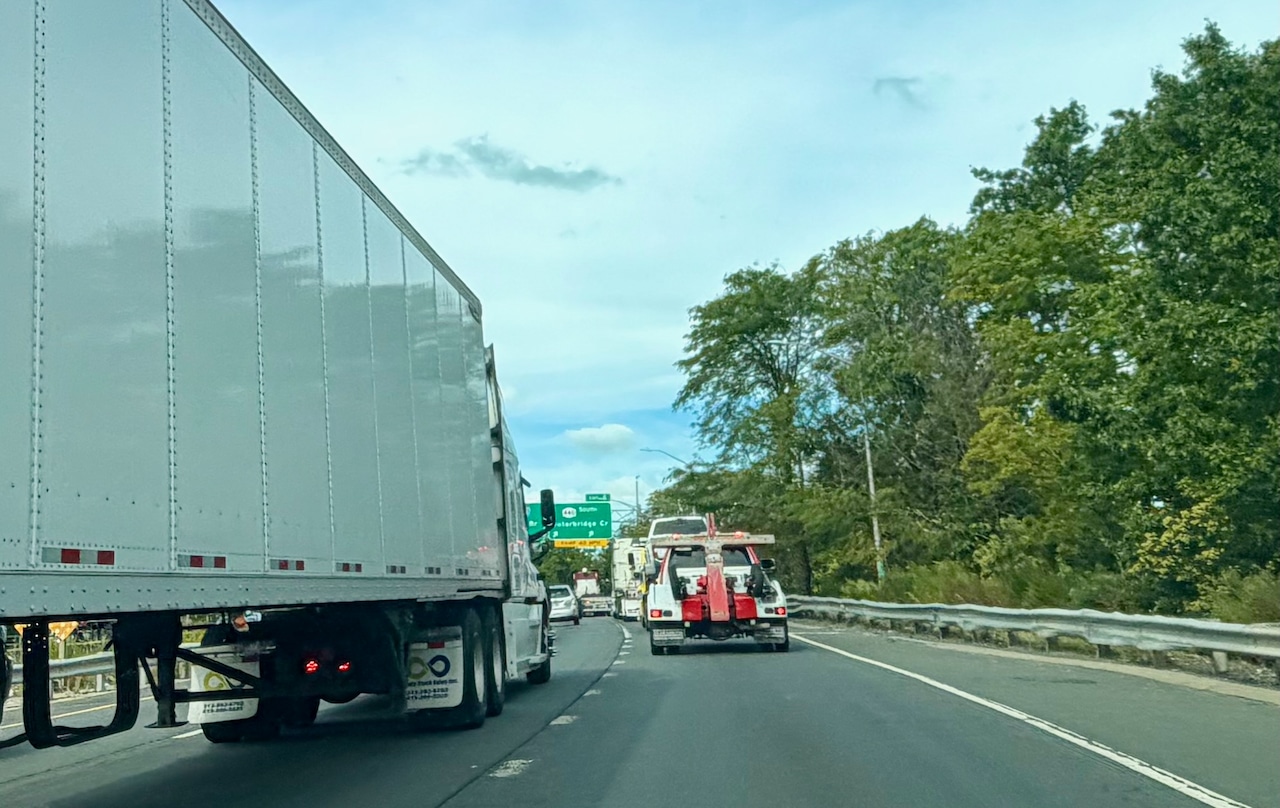 Commercial trucks carry an estimated 90% of goods and services moved throughout New York, according to the Trucking Association of New York. (Staten Island Advance/SILive.com | Pamela Silvestri)(Advance/SILive.com | Pamela Silvestri)
“I would say it’s the silent cost,” Miller said. “The silent cost about why food is so much more expensive in New York is because of the added costs on the trucking industry.”
Tom Beyar, owner of Beyar’s Market in Willowbrook, said the food itself isn’t the problem.
“It’s not the price for me,” Beyar said. “The prices aren’t that bad. It’s all the factors that drive up those prices to what they are.”
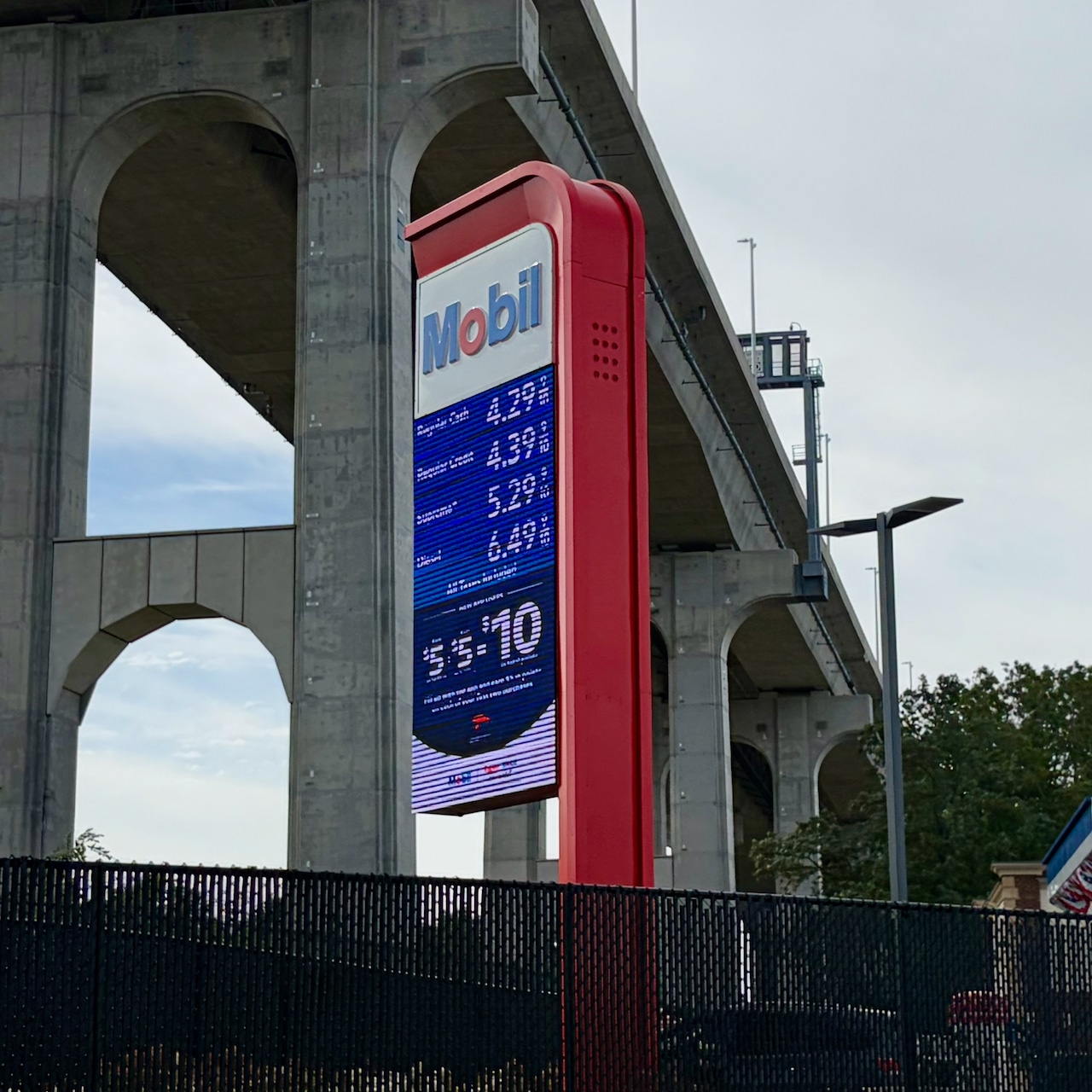 Fuel costs remain a major expense for trucking companies, distributors and food suppliers, who say increases ripple throughout the supply chain. Image taken on Wednesday, Sept. 23, 2026. (Staten Island Advance/SILive.com | Pamela Silvestri)(Advance/SILive.com | Pamela Silvestri)Hidden costs on the road
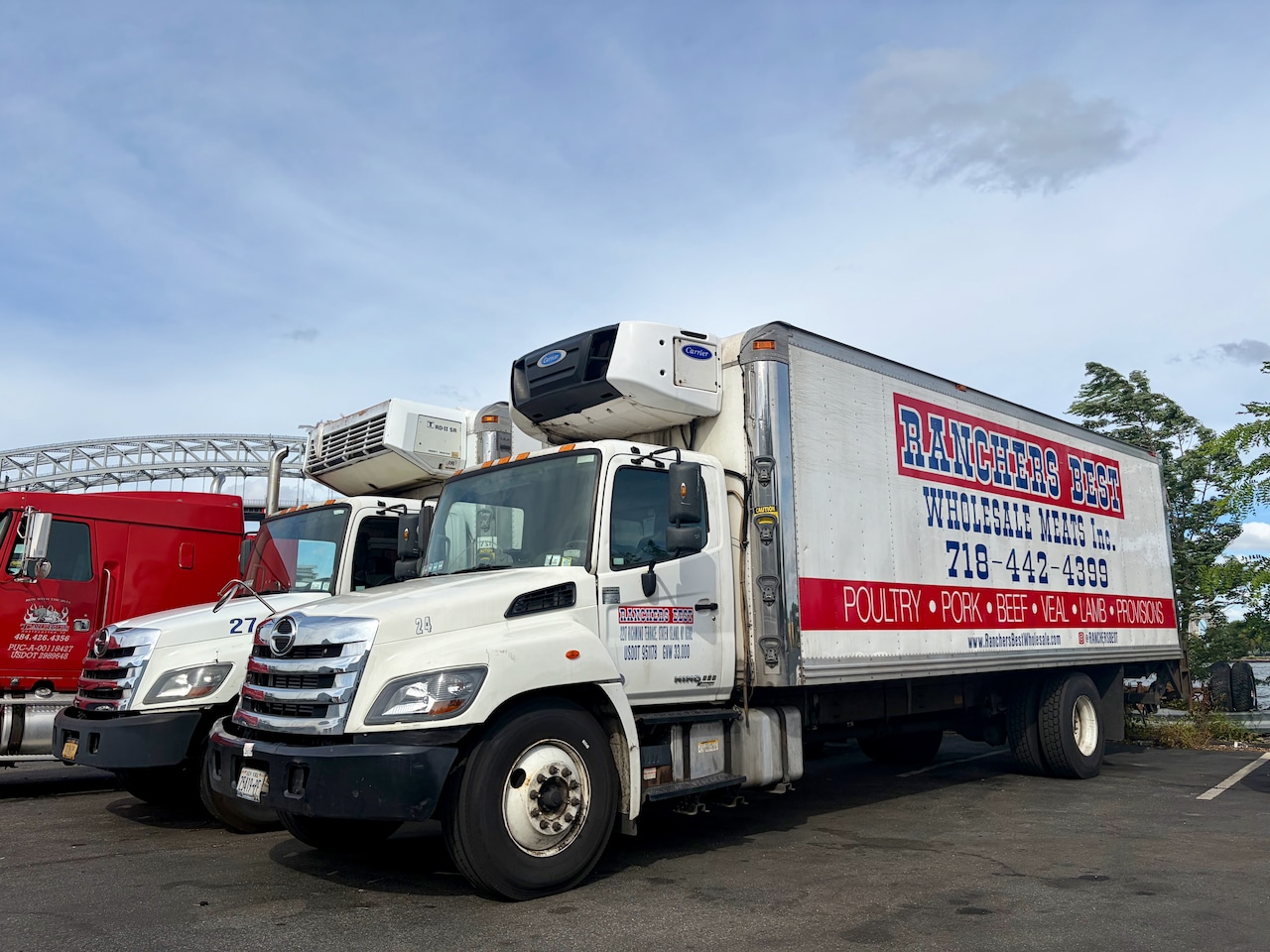
John Tesoriero of Ranchers Best in Mariners Harbor pointed to several New York-specific expenses, including the Highway Use Tax, or HUT. New York is one of only five states that charges the mileage-based tax, which trucking companies operating in the state must pay but competitors in most other states do not.
Another hyperlocal cost is the New York City’s Citizens Air Complaint Program. Residents can report allegedly idling trucks by submitting video evidence to the Department of Environmental Protection. When a violation leads to a settlement or conviction, the complainant is eligible for 25% of the penalty collected.
Commercial truck insurance in New York is generally more expensive than in many other states, a cost insurers attribute in part to congestion, claim severity and operating conditions, particularly in the New York City region. Trucking companies also cite rising insurance premiums and other operating expenses as contributors to higher transportation rates, costs that are ultimately passed along through the supply chain and borne by consumers.
Congestion pricing presents another challenge, Miller said, because trucks are charged per entry rather than once per day. Companies making multiple deliveries in Manhattan can cross into and out of the congestion zone several times, incurring another charge each time they enter.
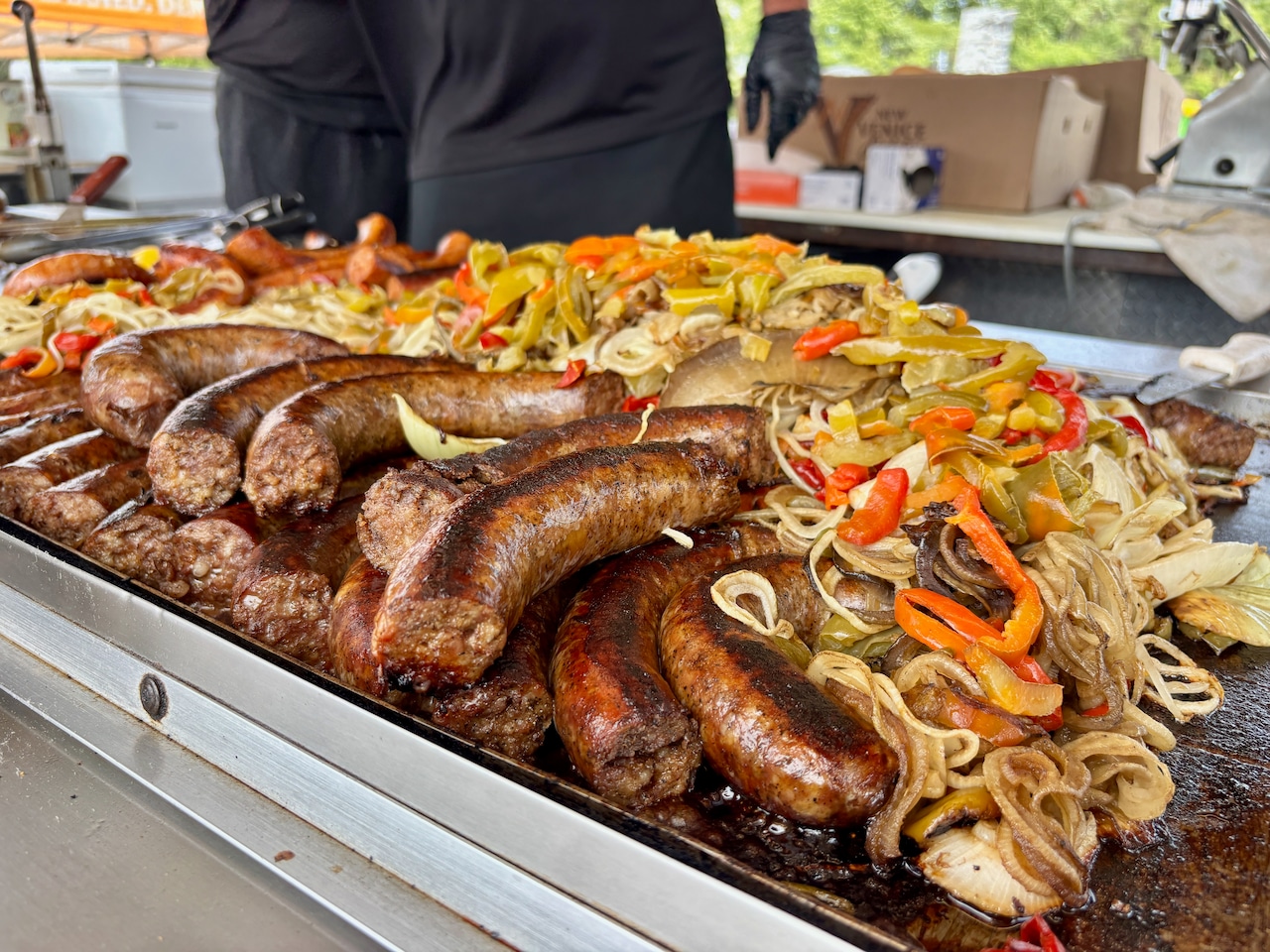 Sausage and peppers may look simple on the plate, but suppliers say a complex chain of transportation, fuel, labor and operating costs helps determine the final price. (Staten Island Advance/SILive.com | Pamela Silvestri)(Advance/SILive.com | Pamela Silvestri)How trucking costs reach the checkout counter
Miller said the trucking industry operates on thin profit margins, typically between 1.5% and 3.5%. Most trucking companies are small and midsize businesses with little ability to absorb mounting expenses.
“These costs make their way through the supply chain to that end user,” he said. “There’s just no capacity to absorb all of these costs. So they have to be passed along to that end user.”
The challenge, Miller said, is getting New Yorkers to recognize the connection between policies affecting trucks and their own household budgets.
“When you hear of a proposal that is going to add costs to the trucking industry, don’t just dismiss that as, ‘Oh well, it’s the cost of doing business,’” Miller said. “Actually think through what that impact is going to be to your household budget.”
 A breakfast sandwich at Beyar’s Market in Willowbrook. Owner Tom Beyar said transportation, labor, utilities, insurance and other behind-the-scenes expenses often have a greater impact on food prices than the ingredients themselves. (Staten Island Advance/SILive.com | Pamela Silvestri)
Back at Beyar’s Market, Tom Beyar noted other costs incurred.
“It’s everything behind the scenes,” Beyar said. “It’s utilities, Con Edison, regulations, insurance, trucking, gas and labor.”
Insurance costs alone have soared, he said, adding, “In the last three years, it’s five times what it was three years ago.”
He said transportation surcharges, traffic and delivery delays also add costs.
“They don’t want to come into New York because if they’re here long enough to get timed out, they lose the whole next day,” Beyar said.
 Crowds fill Mulberry Street during the Feast of San Gennaro in Manhattan. Distributors say making deliveries in busy city corridors can involve congestion, parking challenges, tolls and delays that add costs throughout the supply chain. (Staten Island Advance/SILive.com | Pamela Silvestri)Staff-ShotDelivering to Manhattan
Delivering to Manhattan has become increasingly difficult, Tesoriero said.
“Right now, I have one truck that goes to Manhattan,” he said. “It leaves my facility at 3:30 in the morning, and it’s out of Manhattan by 9:30.”
Even with two workers aboard a truck, he said, finding a place to park and unload in Manhattan can be nearly impossible. Parking violations, tolls, congestion pricing and delays add up quickly.
“I had one truck one time come back with over $1,000 in tickets in one day,” Tesoriero said.
Tesoriero said such costs have forced the company to scale back Manhattan deliveries and limit the customers it can serve efficiently.
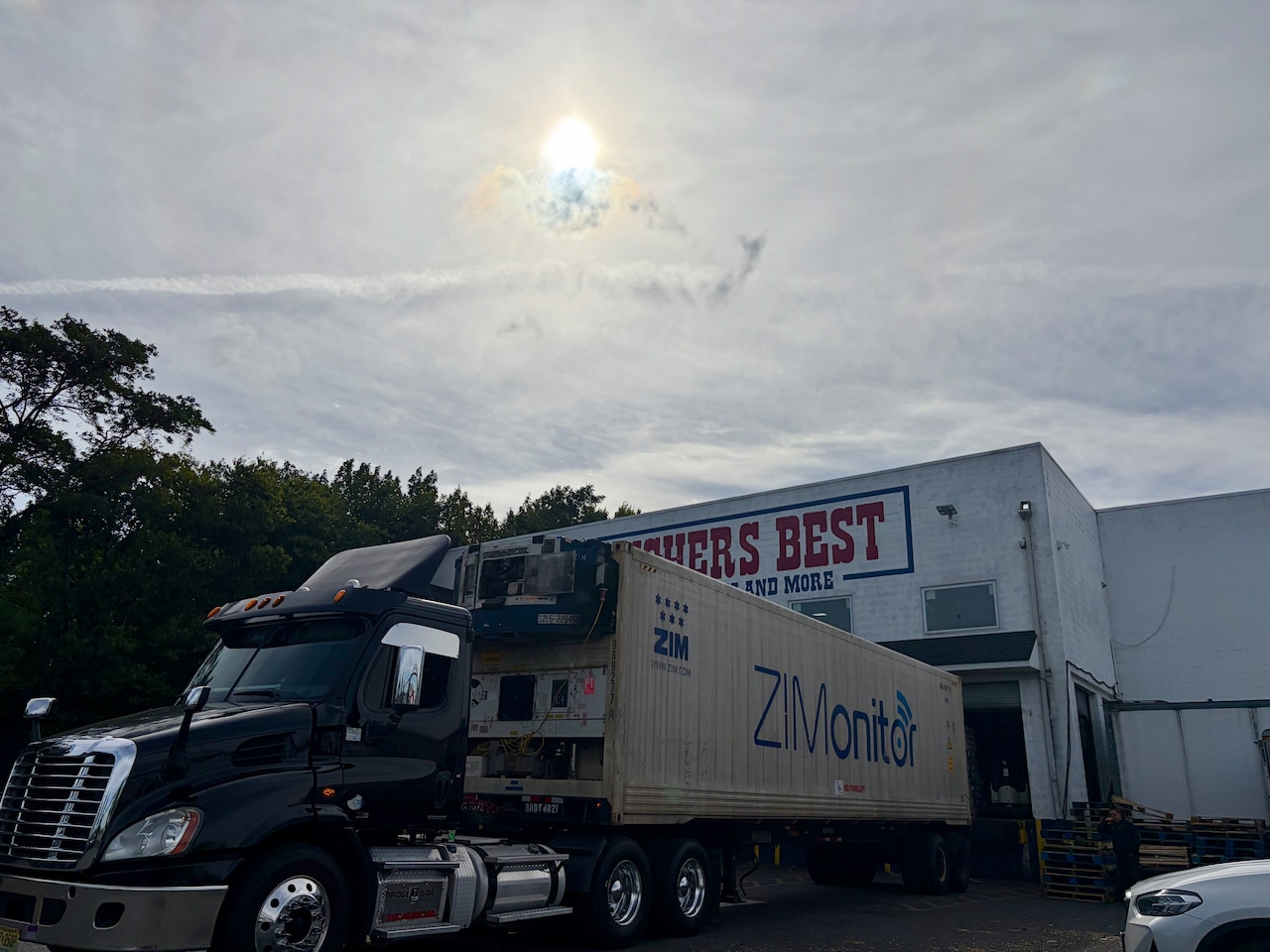 A refrigerated trailer is loaded at Ranchers Best in Mariners Harbor. Food distributors say transportation, labor and fuel costs all contribute to the final price consumers pay. (Staten Island Advance/SILive.com | Pamela Silvestri)(Advance/SILive.com | Pamela Silvestri)Fuel’s impact goes from field to fork
Fuel is not simply a line item for the final delivery truck, Tesoriero said. It affects nearly every stage of producing and distributing food, from the machinery that harvests crops to the electricity that powers facilities and the trucks that move goods to market.
“Fuel drives everything,” he said. “It takes fuel to operate machinery, it takes fuel for electricity, it takes fuel for transportation. Somehow, some way, it impacts so many things.”
The ripple effects extend beyond transportation, he explained. As fuel costs rise, workers face higher commuting expenses and often seek higher wages, while manufacturers, distributors and trucking companies contend with steeper operating costs.
“Now it’s costing more money to deliver, it’s costing more money to run the plant and it’s costing more money in labor,” Tesoriero said.
Those costs leave little room for businesses to absorb expenses on their own, he said.
“I’m not a genius,” Tesoriero said. “If it’s costing more money, you have to charge more money.”
In the end, he said, the costs land with the customer.
“The last person in the chain is the person who actually consumes the food,” Tesoriero said. “That’s the person who gets hit with it.”