
Credit: Far Out / Koh Hasebe / Elektra Records
Mon 28 September 2026 17:30, UK
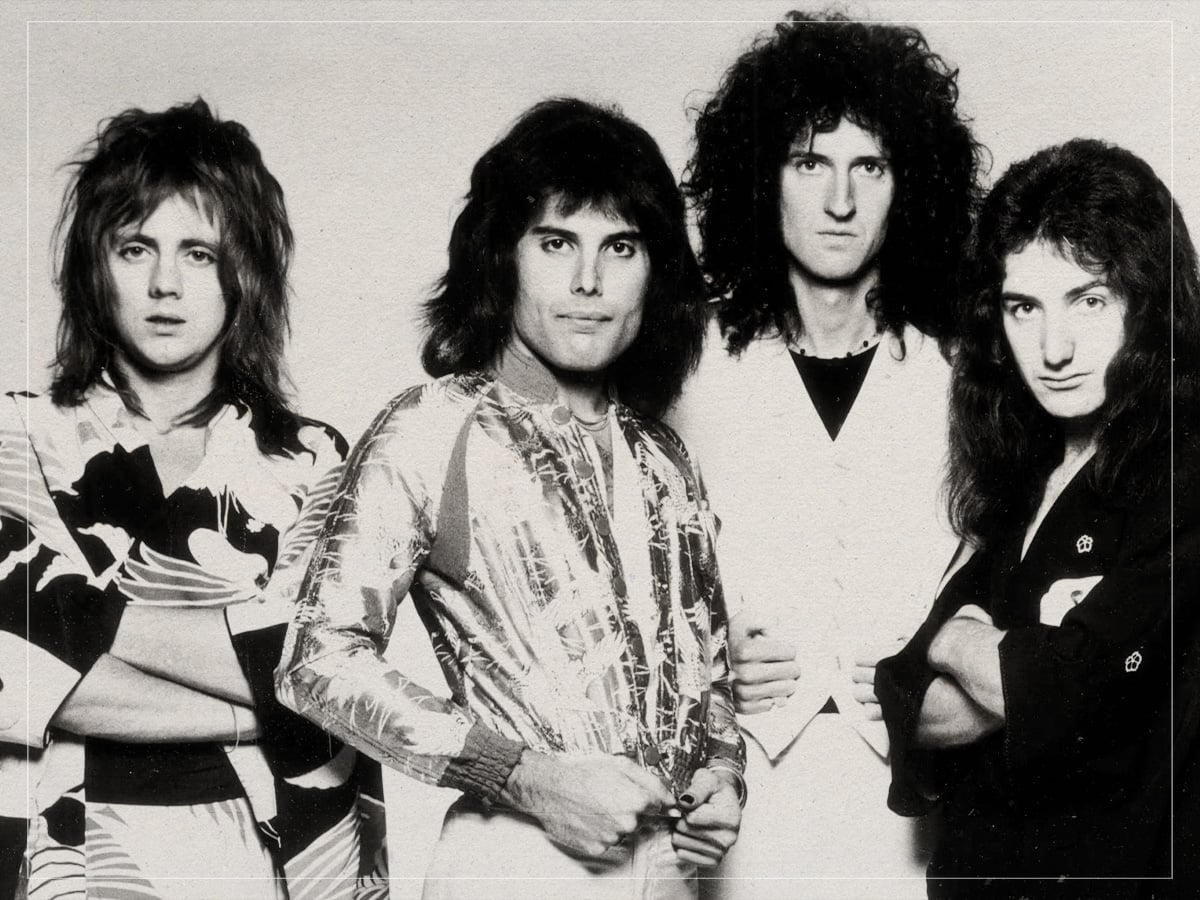
Released as a single in January 1984, Queen‘s ‘Radio Ga Ga’ is one of those tunes that seems impossible to escape, becoming the opening track on the band’s 11th studio album, The Works, and it was also drummer Roger Taylor’s first to earn him individual songwriting credit.
The idea first came to Taylor while he was driving around Los Angeles with his young son. After hearing a song on the radio that he disliked, his son reacted by saying “radio ca-ca”. He immediately liked the phrase and began developing it into a song, locking himself away in a studio for three days with a synthesiser and LinnDrum drum machine.
What emerged was a nostalgic defence of radio at a time when television was beginning to change the way people consumed music. Taylor looked back to a time when radio had been a constant companion, providing comedy, drama, science fiction and music without anything to look at.
“I’d sit alone and watch your light / My only friend through teenage nights,” he sang.
But he was also concerned about what was replacing it. Music videos were becoming increasingly important to the industry, with MTV launching in 1981 and rapidly establishing itself as a major force in how audiences discovered new music. Taylor found himself resistant to this change.
“That’s part of what the song’s about, really. The fact that they seem to be taking over almost from the aural side, the visual side seems to be almost more important.”
Roger Taylor
Though there was something particularly strange about Queen making that criticism, especially given what happened next. Taylor had originally considered keeping the song for his own solo album. When the rest of Queen heard it, however, they saw something in it. John Deacon added a new bassline, while Freddie Mercury worked on the arrangement, harmonies and lyrics. Taylor was away skiing while Mercury helped shape the track into the version that Queen would eventually record.
The song’s message about the changing nature of music was then accompanied by one of the band’s most ambitious music videos. Directed by David Mallet, it took inspiration from Fritz Lang’s 1927 film Metropolis, placing Queen inside a futuristic industrial world. The band performed the song in the recreated machine rooms, while the video also featured the now-famous sequence of hundreds of people clapping along to the chorus. There was a fairly obvious problem with all of this.
Further reading: From The Vault
‘Radio Ga Ga’ was criticising the growing importance of music videos while simultaneously becoming one of MTV’s biggest weapons. Queen had made an enormous, visually elaborate video for a song warning about the dominance of the visual. The contradiction was very apparent.
It did not stop the song from becoming a major success. ‘Radio Ga Ga’ reached number two in the UK and became a hit around the world. The video also helped turn the song into a defining part of Queen’s live shows, with audiences adopting the famous clapping sequence themselves.
The irony went even further. Queen was not simply participating in the MTV culture they had questioned; they were benefiting from it. The song eventually sold around ten million copies worldwide. While ‘Radio Ga Ga’ was written as a defence of something that was disappearing, in the process, the band created a video that showed exactly how powerful the visual age could be.
ADD AS A PREFERRED SOURCE ON GOOGLE  The Far Out Classic Rock Newsletter
All the latest Classic Rock content from the independent voice of culture.
Straight to your inbox.