
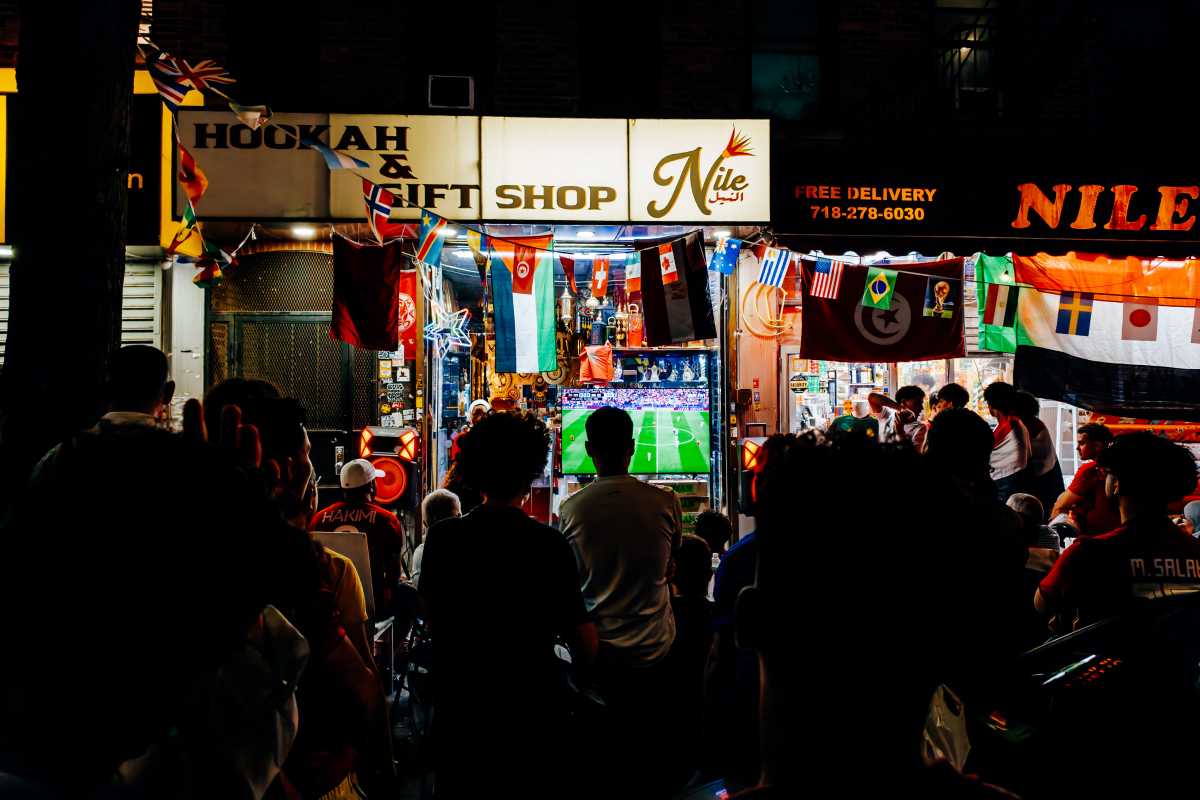
Mayor Zohran Mamdani has announced that the 2026 FIFA World Cup delivered $2 billion in economic activity to New York City this summer, with more than 180,000 soccer fans attending the Queens Fan Festival at the Billie Jean King National Tennis Center during the World Cup group stages in June.
Over 150 Queens bars and restaurants participated in the city’s “Five Boroughs Winner Special,” offering either $26 for 2026 meal deals or a collectible Queens cup, while international Visa spending increased by 6% across the borough during the tournament, according to the Mayor’s Office.
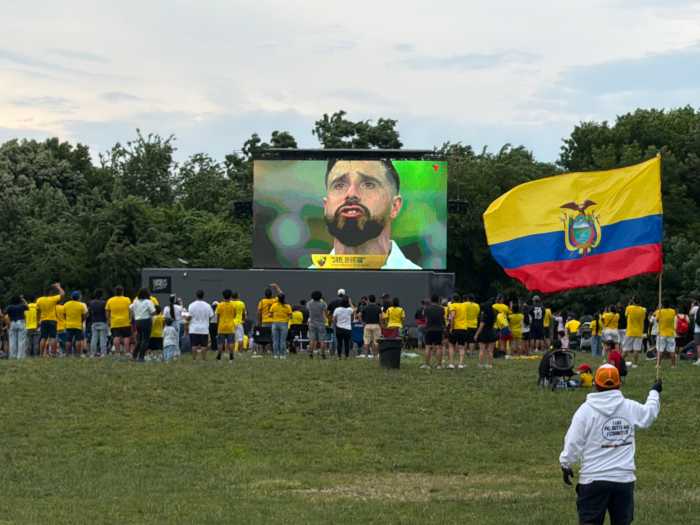 Ecuador fans at a Soccer Sundays watch party for the World Cup clash between Ecuador and Ivory Coast on June 14.Photo via Queens Night Market
Numerous Queens organizations participated in the city’s cultural passport program, including the Queens Botanical Garden, Queens County Farm Museum, Queens Museum, Queens Public Library, Queens Theatre, Lewis Latimer House.
Mamdani said in a statement that the impact of the World Cup stretched far beyond MetLife Stadium in Meadowlands, New Jersey, which hosted eight games during the tournament, including the World Cup final.
“This summer, we proved that the people’s game can still belong to the people — to the deli owners, cab drivers and line cooks who welcomed visitors from around the globe to New York City and powered the World Cup,” Mamdani said in a statement. “We didn’t want the benefits of this tournament to stop at the stadium gates.
“We worked to bring fans into our neighborhoods, onto our blocks and into our local bars, restaurants and watch parties. And the result was more than $2 billion flowing through our city’s economy — a win for working New Yorkers across all five boroughs.”
The tournament generated an estimated $3.5 billion across the New York-New Jersey area, with New York City capturing roughly 56% of that impact and 70% of all visitor spending.
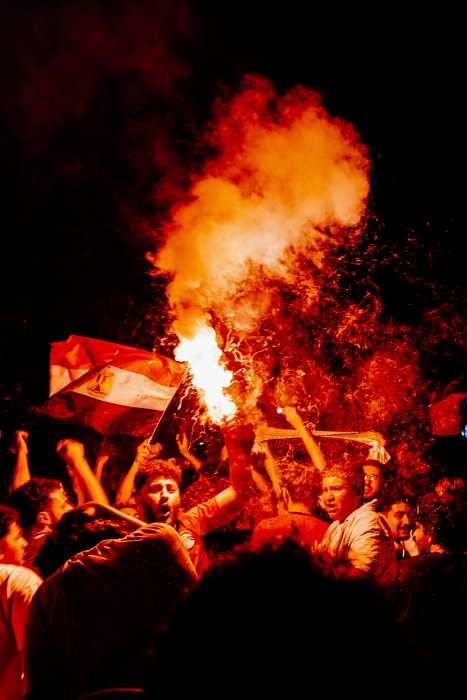 Egypt fans celebrate after their country’s 1-1 tie with Iran in the World Cup.Photo via Mohamed AlMannai (@mmannai)
The city has reported over $1.3 billion in direct visitor and operational spending, which it says helped support more than 12,000 jobs across a range of sectors, including hospitality, food service, retail and other industries. The city further reported a 16% increase in year-on-year foot traffic in bars across the five boroughs when compared to June and July 2025.
Anthony Shorris, president and CEO of the city’s Economic Development Corporation (NYCEDC), said the World Cup translated into a “meaningful economic win” for New York City.
“These matches brought visitors, spending, and opportunity to neighborhoods across the five boroughs, supporting local businesses and the workers who power them, while showcasing New York City as the ideal place to do business,” Shorris said in a statement. “From restaurant servers and bartenders to hotel workers and small business owners, New Yorkers helped turn a global sporting event into a meaningful economic win for our city.”
Nancy Mammana, chief marketing officer at New York City Tourism + Conventions, said the World Cup “demonstrated in a powerful way” how tourism drives spending at local businesses. She said the experiences visitors encountered across the five boroughs will inspire them to return to those communities for “years to come.”
“Our World Cup programming, made possible by the support of the Mamdani administration, helped bring visitors into neighborhoods across Manhattan, Brooklyn, Queens, the Bronx and Staten Island, resulting in meaningful economic impact throughout our city’s communities and helping to create positive, joyous experiences to inspire visitors to return for many years to come,” Mammana said in a statement.