
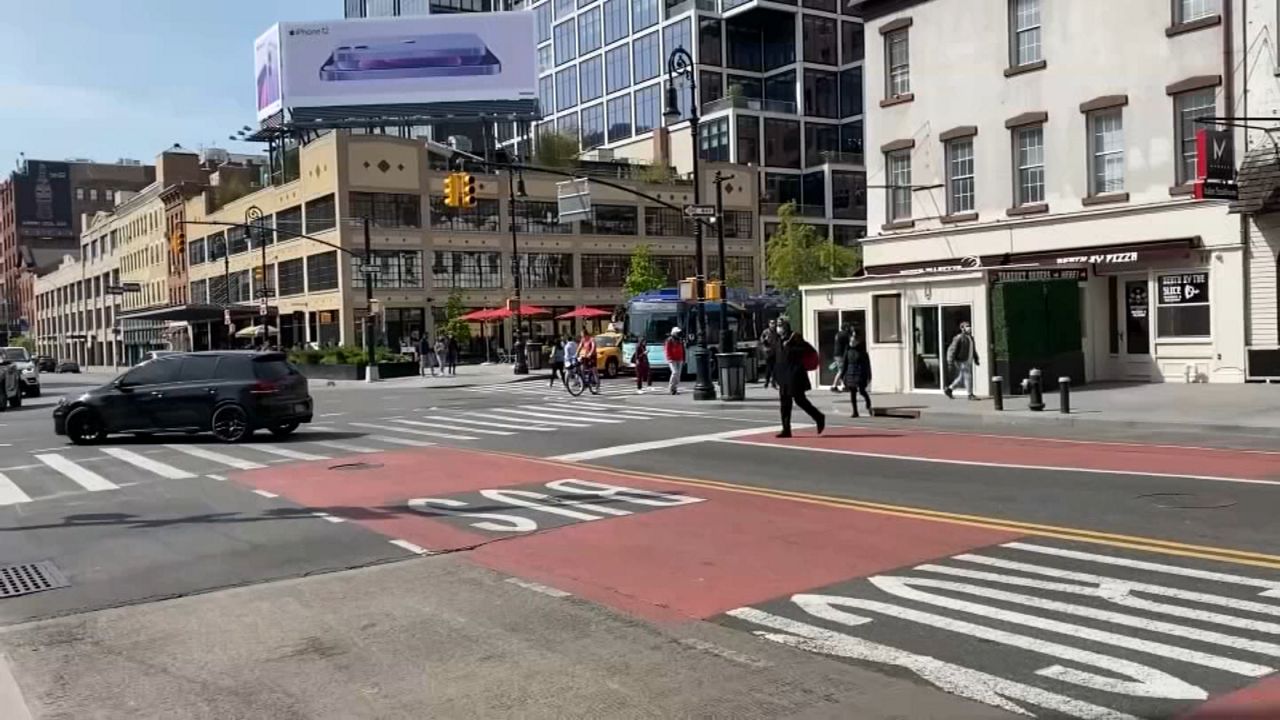
According to the city Department of Transportation, traffic deaths this year are at historic lows, with a record high amount of street safety initiatives implemented from the protected bike lane on 31st Street in Astoria to making bike lanes and curbs wider.
“A sustained effort with a clear strategy does yield results,” said city Transportation Commissioner Mike Flynn. “It’s redesigning our streets its policy and regulatory and enforcement strategies. But I think more than anything else, that’s really the way we follow the data.”
The latest data from the DOT shows there have been 67 pedestrian fatalities so far this year, down 15% from the same time last year, and 21 deaths of those in a motor vehicle, down from 24 in 2025 and a record low as well. It comes as the Mamdani administration rolled out a plan to expand Vision Zero—the program aimed at eliminating traffic deaths that started under the de Blasio administration.
“It uses what we call a safe systems approach,” Flynn said. “So that’s really about having multiple layers of strategies and redundancy so that first, you minimize the chance of a crash happening, and if it does happen, you minimize the severity of it.”
But deaths and injuries involving two-wheeled motorized devices like e-bikes and scooters are on the rise. As of Wednesday, this year, there were 28 deaths of e-bike and standup scooter riders, up almost 40% over last year.
A City Council hearing Wednesday examined a package of over 20 bills aimed at e-bike safety, but pedestrians who have been injured by micromobility devices who testified and rallied beforehand say the bills do not help them since they mostly address delivery app drivers. They want e-bike registration. The DOT says with thousands of delivery drivers, making the apps accountable is more effective.
Flynn says the DOT is being proactive outside of the bills.
“We’ve been kind of innovating with our bike lane designs to look at ways to calm cyclist speeds at places where we’re seeing those kinds of conflicts with pedestrians, with things like what we call offset intersections, or even narrowing the bike lane or at really severe locations will redesign the whole intersection,” he said. “Same toolbox we would apply to calm motor vehicles to some extent just applied to bikes.”
The council will hold a hearing on the administration’s vision zero plans October 30. It will also examine a bill from council transportation chair Shaun Abreu that would create low-traffic neighborhoods aimed at preventing drivers from using local roads as shortcuts.