
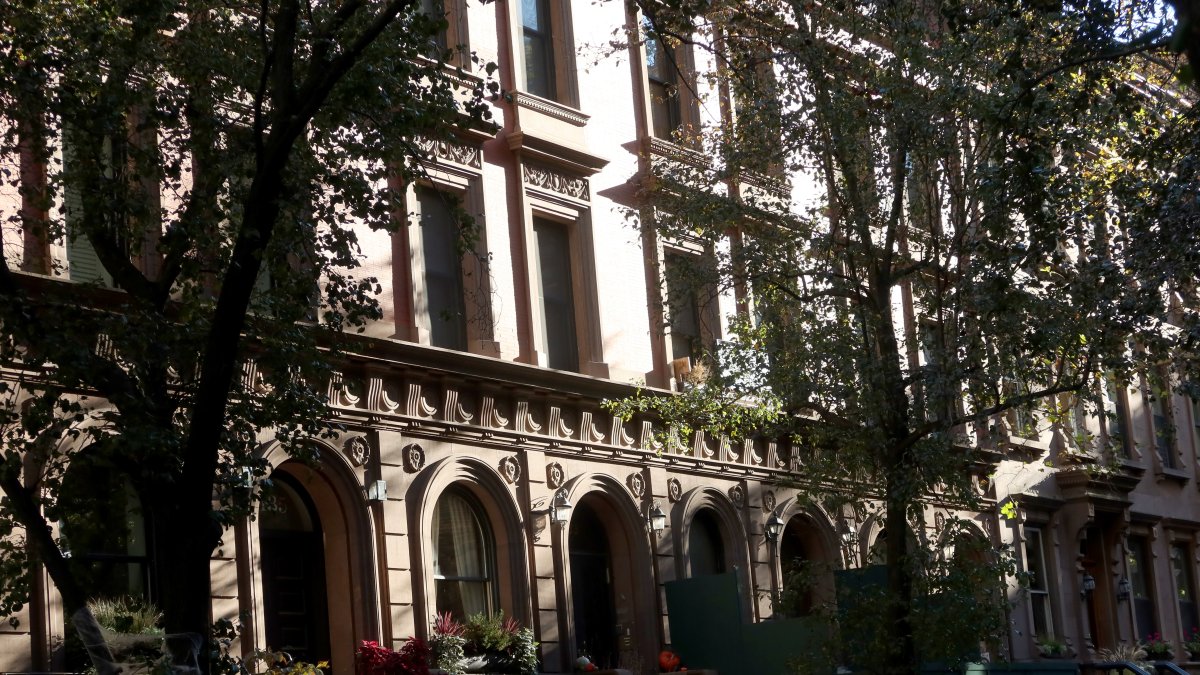
New York City announced 12 community districts where the voter-approved Affordable Housing Fast Track will take effect starting in Jan. 2027.
Mayor Zohran Mamdani and Department of City Planning Director Sideya Sherman shared that starting Jan. 1, a streamlined 90-day public review process will be used for eligible rezoning proposals that create affordable housing in the 12 designated districts.
The 90-day review process will replace the previous 7-month Uniform Land Use Review Procedure (ULURP).
12 Affordable Housing Fast Track Districts with the lowest rate of affordable housing production
Brooklyn CD 10: Bay Ridge, Dyker Heights
Brooklyn CD 12: Borough Park, Kensington
Brooklyn CD 18: Canarise, Flatlands
Manhattan CD 7: Upper West Side
Manhattan CD 8: Upper East Side, Roosevelt Island
Queens CD 4: Corona, Elmhurst
Queens CD 5: Ridgewood Maspeth, Middle Village
Queens CD 10: South Ozone Park, Howard Beach
Queens CD 11: Aburndale, Bayside, Douglaston
Queens CD 13: Queens Village, Bellerose, Rosedale
Staten Island CD 2: Mid-Island
Staten Island CD 3: South Shore
The Affordable Housing Fast Track emerged in Nov. 2025 when New Yorkers approved changes to the city charter, addressing the uneven distribution of affordable housing.
Prior to the Affordable Housing Fast Track, affordable housing has been concentrated to a small number of neighborhoods throughout the city. The 12 fast track districts produced just 1.1% of the city’s new affordable housing over the past five years, averaging just 12 affordable homes per district per year.
The 12 districts will be recalculated every five years based on updated affordable housing production, with the next list issued in Oct. 2031.
“New York’s housing crisis is not going to be solved by asking the same neighborhoods to do all the building,” said Mayor Mamdani. “Every New Yorker deserves a home they can afford, and every neighborhood must be a part of delivering it. The Affordable Housing Fast Track gives us a new tool to cut through red tape and make sure our housing growth is shared more fairly across all five boroughs.”
For more information DCP will be hosting a virtual public information session on December 3. Additional information can also be found on the DCP’s website.