
New York Governor Kathy Hochul issued an Executive Order today declaring a State Disaster Emergency in response to the growing number of measles cases across rural areas of New York and neighboring states.
This will enable the State to respond more swiftly to the outbreak and allows healthcare professionals to take additional steps that will help get more New Yorkers vaccinated and tested, if needed.
How contagious is measles? What is R0?
After reviewing the latest data on measles cases in New York State, I am declaring a State Disaster Emergency to strengthen our ongoing efforts to confront this disease,” Governor Hochul said.”No one should get seriously ill or die from a vaccine-preventable disease. That is why I have taken steps to increase the number of health professionals who can vaccinate and test. These emergency measures will protect New Yorkers and support our community partners as they work tirelessly to address the spread of this disease.”
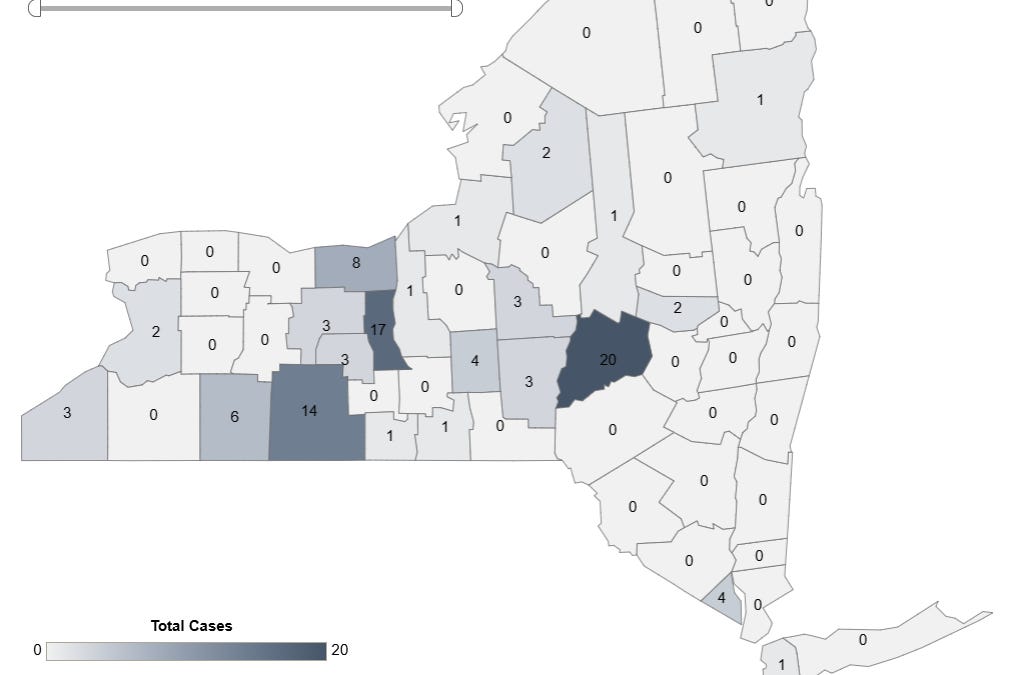
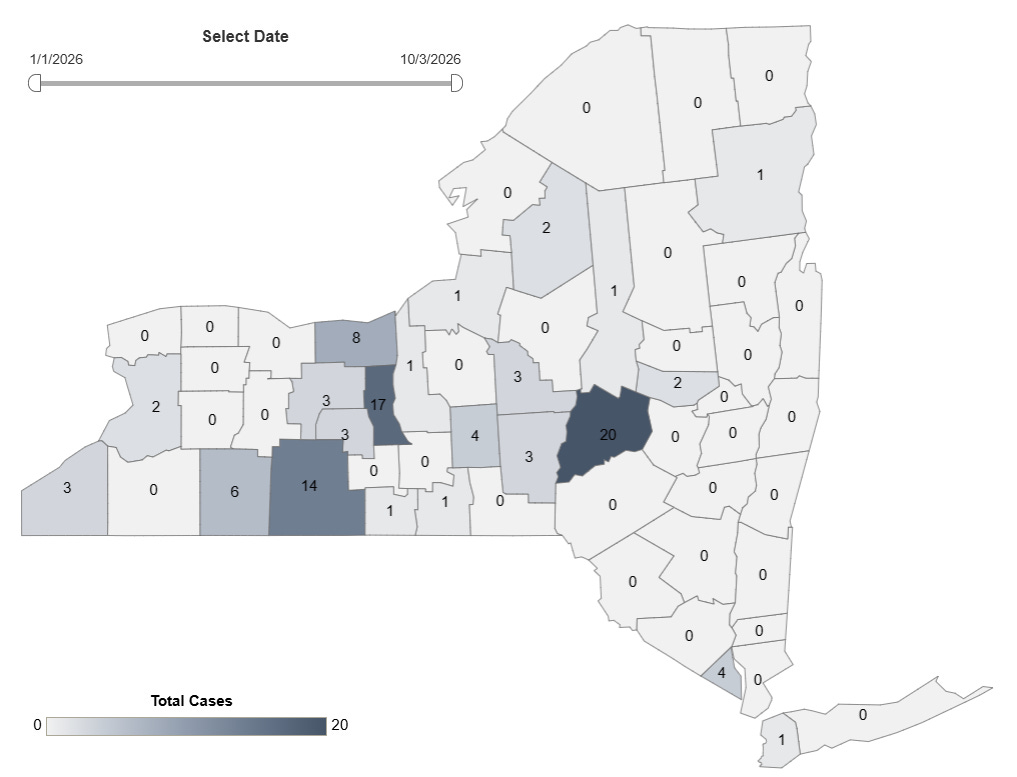
As of October 3, there have been seven confirmed cases in New York City and 101 in New York State outside of NYC (Rest of State) for 108 total cases this year, amid a global and domestic increase in measles cases.
Since July 15, there have been 92 cases reported among under-immunized, rural communities in 18 counties.
All New Yorkers are urged to protect themselves by making sure they are up to date on their measles, mumps, and rubella (MMR) vaccines and be aware of health advisories if traveling with unvaccinated individuals, especially young children. Infants 6 to 11 months old can receive an early dose of the MMR vaccine for protection before travel or if they are otherwise at risk of being exposed.
Measles is a highly contagious, serious respiratory disease that causes rash and fever. In some cases, measles can reduce the immune system’s ability to fight other infections like pneumonia. This disease is caused by a virus that is spread by coughing or sneezing into the air. Individuals can catch the disease by breathing in the virus or, less commonly, by touching a contaminated surface, then touching the eyes, nose, or mouth.
Serious complications of measles include hospitalization, pneumonia, miscarriage, preterm birth, brain swelling, immune amnesia and death. Long-term serious complications can also include subacute sclerosing panencephalitis, a type of brain inflammation resulting from an earlier measles infection that can lead to permanent brain damage years after the initial infection.
The best protection against measles is the measles, mumps and rubella (MMR) vaccine.