
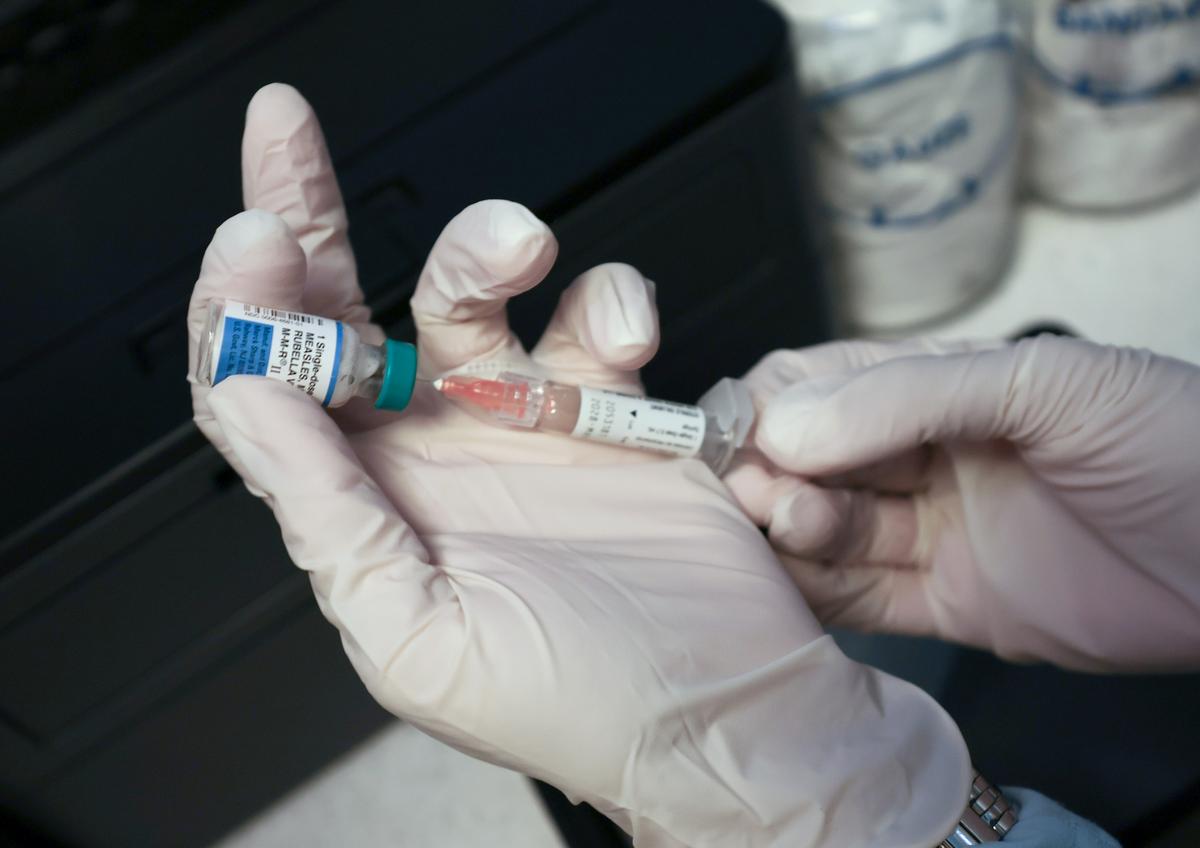
The world’s most contagious disease is spreading through New York State, prompting Governor Kathy Hochul to declare a state of emergency.
 Jan Sonnenmair, Getty ImagesJan Sonnenmair, Getty Images
Hochul issued the executive order on Monday in response to an ongoing measles outbreak. According to the governor’s announcement, New York had recorded 108 confirmed cases as of October 3, including seven in New York City and 101 elsewhere in the state.
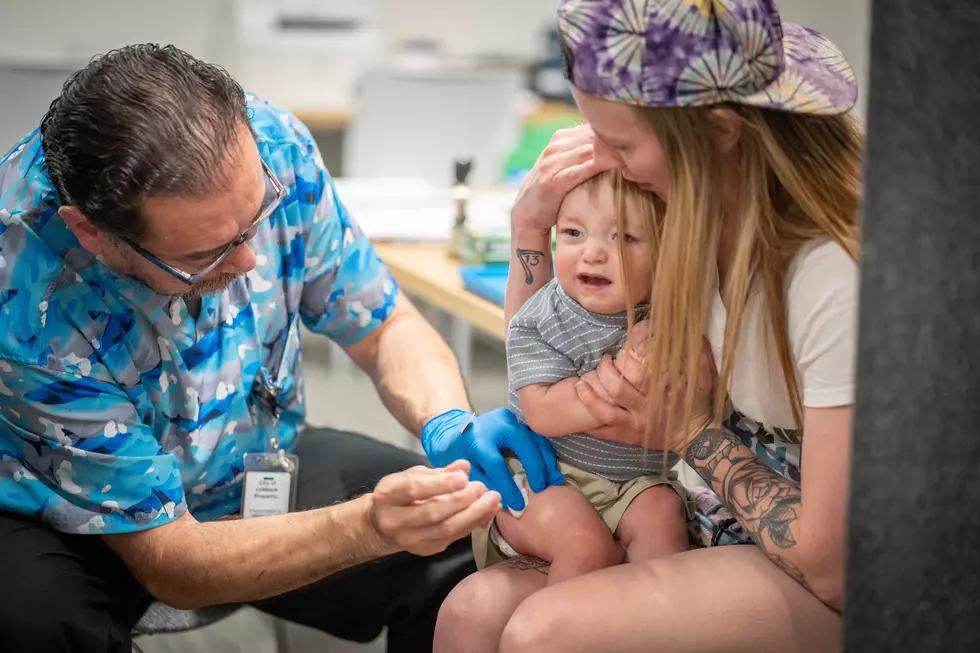
Most of the recent cases have been reported in rural communities where vaccination rates are low. Since July 15, officials have identified 92 cases across 18 counties. Local health departments have administered more than 1,000 doses of the measles, mumps and rubella vaccine in rural areas during that time.
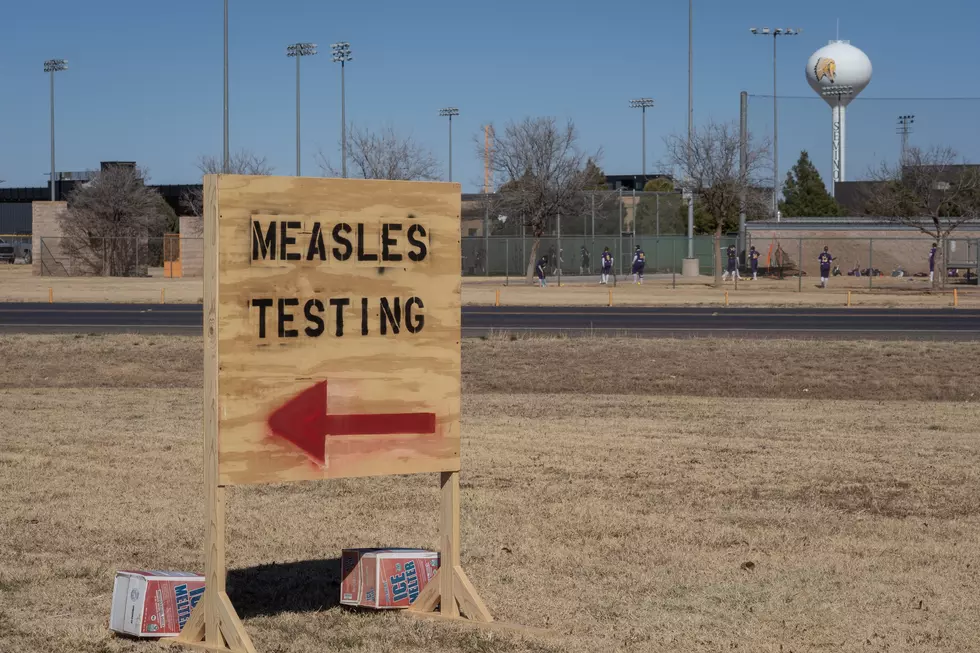
The emergency declaration allows more healthcare professionals to administer measles vaccines, including paramedics, advanced EMS providers, pharmacists and midwives. It also allows nurses to order testing, giving health officials more ways to identify infections and help prevent further spread.
 Jan Sonnenmair, Getty ImagesJan Sonnenmair, Getty Images
“No one should get seriously ill or die from a vaccine-preventable disease,” Hochul said.
For Hudson Valley families, state health officials are urging residents to check their vaccination records and know the warning signs. Measles often starts with a high fever, cough, runny nose and red, watery eyes. A rash usually develops several days later, beginning on the face before spreading down the body.
The Rockland County Health Department has described measles as the “world’s most contagious disease.”
The virus spreads through the air when an infected person coughs or sneezes. Someone with measles can pass it to others four days before the rash appears, meaning the infection can spread before its most recognizable symptom develops.
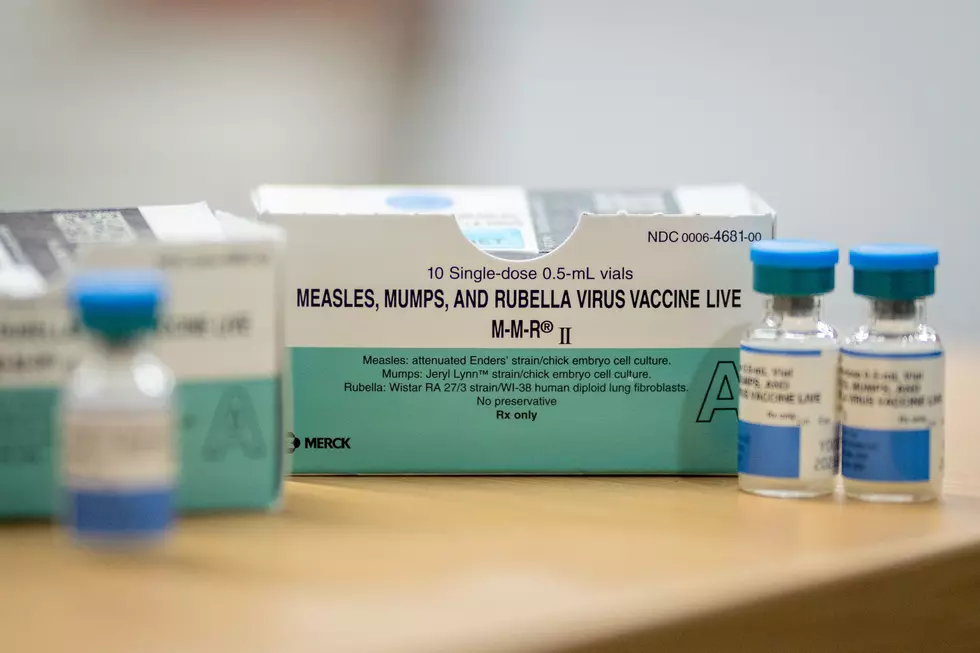
Complications can include pneumonia, brain swelling and hospitalization. State officials say one dose of the MMR vaccine provides about 93 percent protection, while two doses provide about 97 percent protection.
 Jan Sonnenmair, Getty ImagesJan Sonnenmair, Getty Images
Anyone unsure about their vaccination status should contact their healthcare provider or local health department. People vaccinated between 1963 and 1967 may have received an older, less effective version and should ask their provider whether another dose is needed.
If you think you have measles, call before heading to a doctor’s office, urgent care or emergency room so staff can take precautions to protect other patients. New York’s measles information page has additional guidance and outbreak updates.
LIST: Measles Symptoms
Gallery Credit: CANVA