
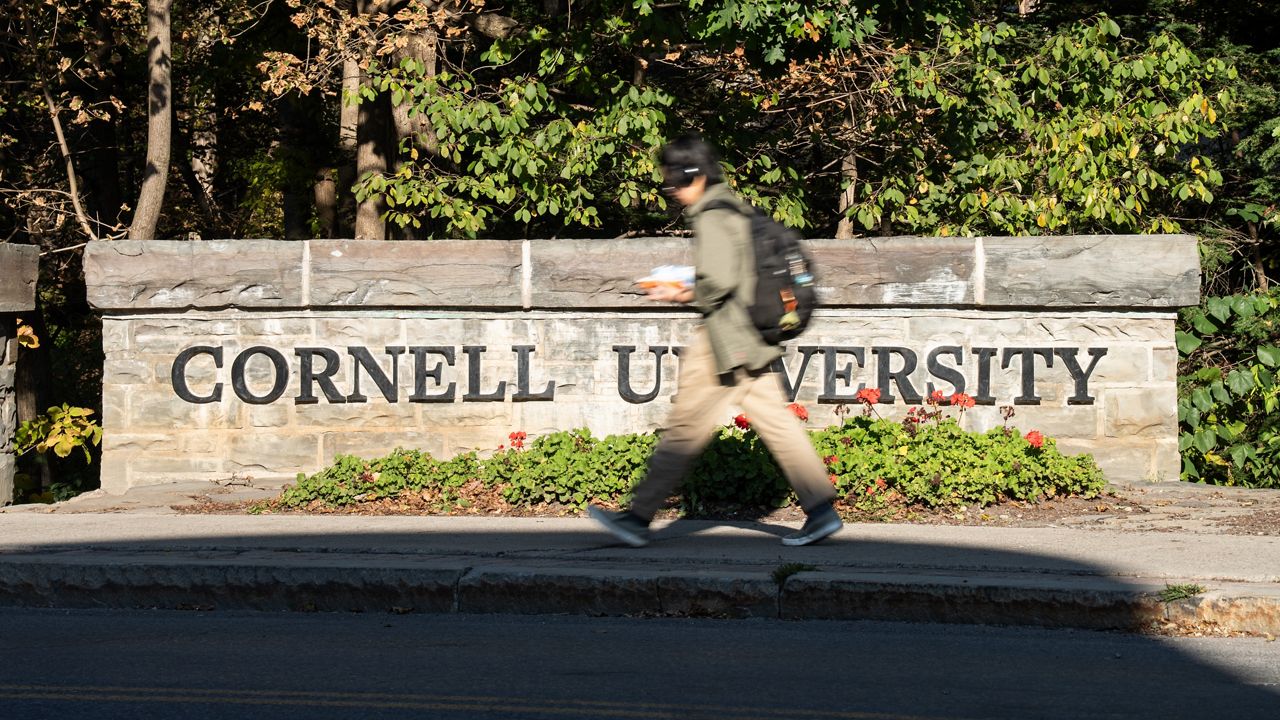
Rallies are being held across the country and in New York state in response to the Cornell University gang rape lawsuit and investigation.
It’s part of a sexual violence national day of action.
One of the speakers at the Rochester rally is Monroe County Legislator Rachel Barnhart.
“I think this rally is really important to allow people to express their outrage about what happened with Jane Doe and the Cornell seven,” Barnhart said.
Barnhart is hoping the rallies being held will help with the dialogue about sexual assault.
“I think that our culture really doesn’t value women, value women’s sexuality, doesn’t value women’s agency and doesn’t value their voices,” Barnhart said. “And, unfortunately, you have a lot of these things converging in one thing.”
That one thing is the criminal investigation in Tompkins County prompted by a civil lawsuit filed by a then-Cornell student known now as Jane Doe. She alleges she was sexually assaulted by several current and former students at a Cornell frat house in 2024.
Barnhart is a Cornell graduate.
“When I went to Cornell, back in the 90s, the language was, ‘no means no.’ Then it turned into, in later years, you need affirmative consent, ‘yes means yes,’” Barnhart said. “Now what do we do?”
To answer that question, and in response to the Cornell case, the Alliance Against Sexual Violence is speaking out and calling for change.
“The allegations at Cornell have brought national attention to what survivors and advocates have been telling us for years,” said the executive director of the organization, Emily Miles. “There are serious gaps in the system that are supposed to protect people who experience sexual violence.”
The group is calling on Gov. Kathy Hochul and the state legislature to enact laws in New York that fix the voluntary intoxication loophole, provide victim anonymity protections, protect survivors from predatory defamation lawsuits, strengthen “enough is enough” protections and mandate campus collaboration.
“Together, these measures address what survivors need before harm occurs, when they seek support, and when they pursue accountability,” Miles said. “We need the whole package because survivors need protection at every step.”
“We have to take a look at our laws and make sure that they are protecting women,” Barnhart said. “But that doesn’t encompass the whole problem here. The bigger problem here is the way these men saw her and treated her and advertised to their whole fraternity that she was available like she was some kind of commodity and object. And that is the thing that all the debates about laws — that’s not going to stop.”