
Every cyclist knows the feeling: a driver looking at a phone, speeding through a light, passing too closely or making a turn without seeing you. For all the progress New York has made building safer streets, human behavior behind the wheel remains one of the greatest dangers facing people who walk and bike in this city.
Recent events have made that danger painfully clear. In just one week this past August, hit-and-run drivers killed three cyclists in three days. And according to Transportation Alternatives, 13 bike riders were killed in the first half of 2026 — an 86% increase over the same period last year.
Bike New York runs the nation’s largest bicycle education and safety program. As its president and CEO, I have spent much of my career advocating for better cycling infrastructure and safer streets, and I will always support approaches that could make cars less likely to kill cyclists.
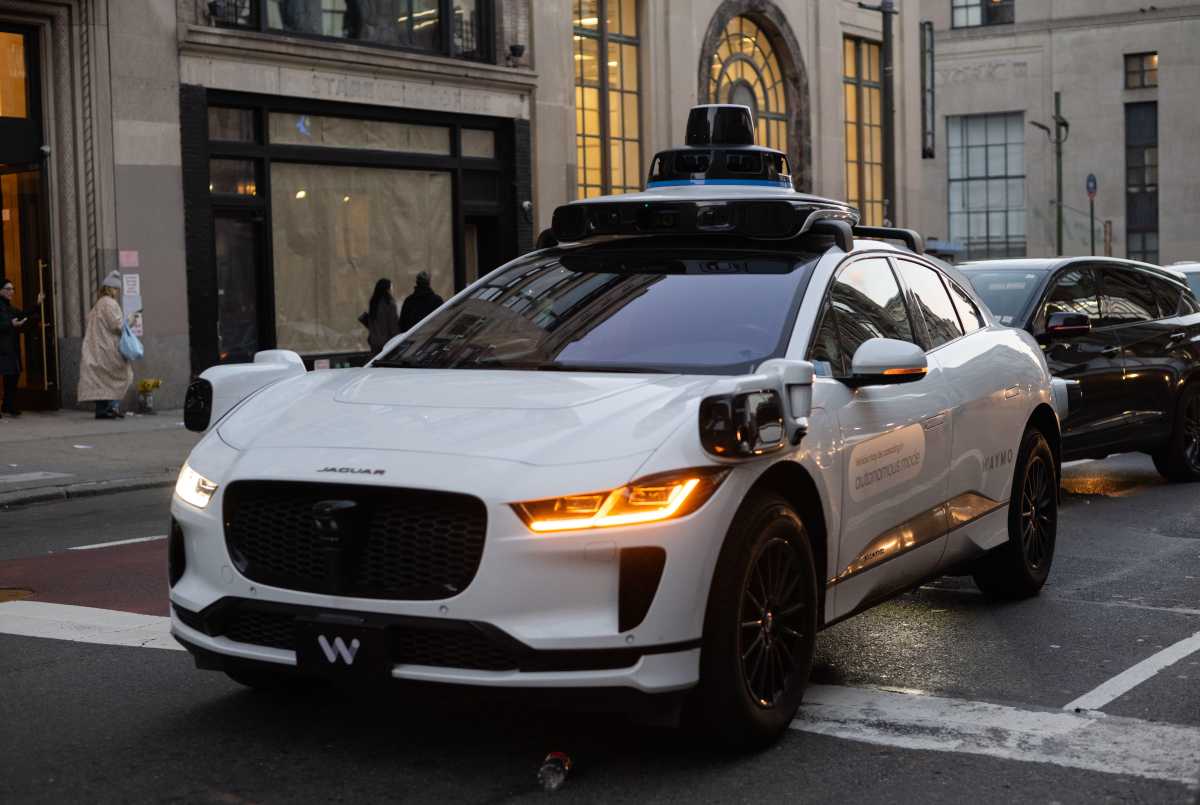
After reviewing crash and injury data from other cities, I now believe it is time for New York to explore another approach that could make our streets safer by reducing the risks created by dangerous human behavior behind the wheel. With smart oversight and regulation, New York should begin permitting autonomous vehicles to be tested on our streets.
As an example, Waymo has now driven more than 220 million fully autonomous miles in Phoenix, San Francisco, Los Angeles and other major cities across the country. Compared with human drivers traveling the same distances in the same places, the AV leader reports 82% fewer injury-causing crashes overall, 94% fewer crashes causing serious or fatal injuries, 84% fewer injury crashes involving cyclists and 93% fewer involving pedestrians.
Those are extraordinary numbers in any area of public safety. They are also Waymo’s own numbers, so they deserve scrutiny.
Independent researchers have examined Waymo’s real-world performance as well. An analysis by the Insurance Institute for Highway Safety found 81% fewer injury crashes per mile for Waymo than for human drivers across four cities.
The results are plausible for a straightforward reason. A properly functioning autonomous vehicle does not text, drive drunk, get tired, become impatient or act aggressively. That does not make the technology infallible. Sensors and software can fail.
To many New Yorkers, an autonomous vehicle navigating Midtown traffic sounds somewhere between science fiction and a recipe for disaster. Other cities experienced similar apprehension when robotaxis first appeared. In San Francisco, a GrowSF poll found support rising from 44% in 2023 to 67% in 2025, while a separate San Francisco Chronicle survey found substantially more residents describing self-driving cars positively than negatively.
New Yorkers may not respond the same way. But unfamiliarity should not be mistaken for evidence that the technology is unsafe. It should lead us to test the technology carefully.
Legitimate concerns remain. In other cities, autonomous vehicles have stalled or obstructed traffic, and emergency responders have reported incidents in which driverless vehicles interfered with their work. New York should learn from those experiences and set a high bar from the start.
Autonomous vehicle companies must provide transparent safety data that can be independently evaluated and demonstrate that their vehicles can safely handle cyclists, pedestrians, people with disabilities, emergency vehicles, construction zones, severe weather and the countless unpredictable conditions of New York streets.
New York must also guard against increased congestion. Empty autonomous-vehicle miles should be closely monitored and, where necessary, limited. Nothing about autonomous vehicles should weaken the city’s commitment to mass transit, cycling, walking or reducing unnecessary car trips.
Vision Zero is about preventing people from being killed or seriously injured on our streets. Protected bike lanes, safer intersections, lower speeds and better street design save lives. Autonomous vehicles are not a substitute for any of them. But they should now be considered part of the street-safety toolkit.
If autonomous vehicles can materially reduce the likelihood that a cyclist, pedestrian or anyone else is seriously injured or killed, New York should lead the way in testing them. We should demand the data, establish strong safeguards and listen to the people who use our streets. Then we should judge this technology by the standard that matters most: whether it can make New York’s streets safer than they are today.
New York has never made meaningful progress by accepting the status quo. When the evidence points to a technology that could save lives, we have an obligation to put it to the test.
Ken Podziba is the President & CEO of Bike NY.