
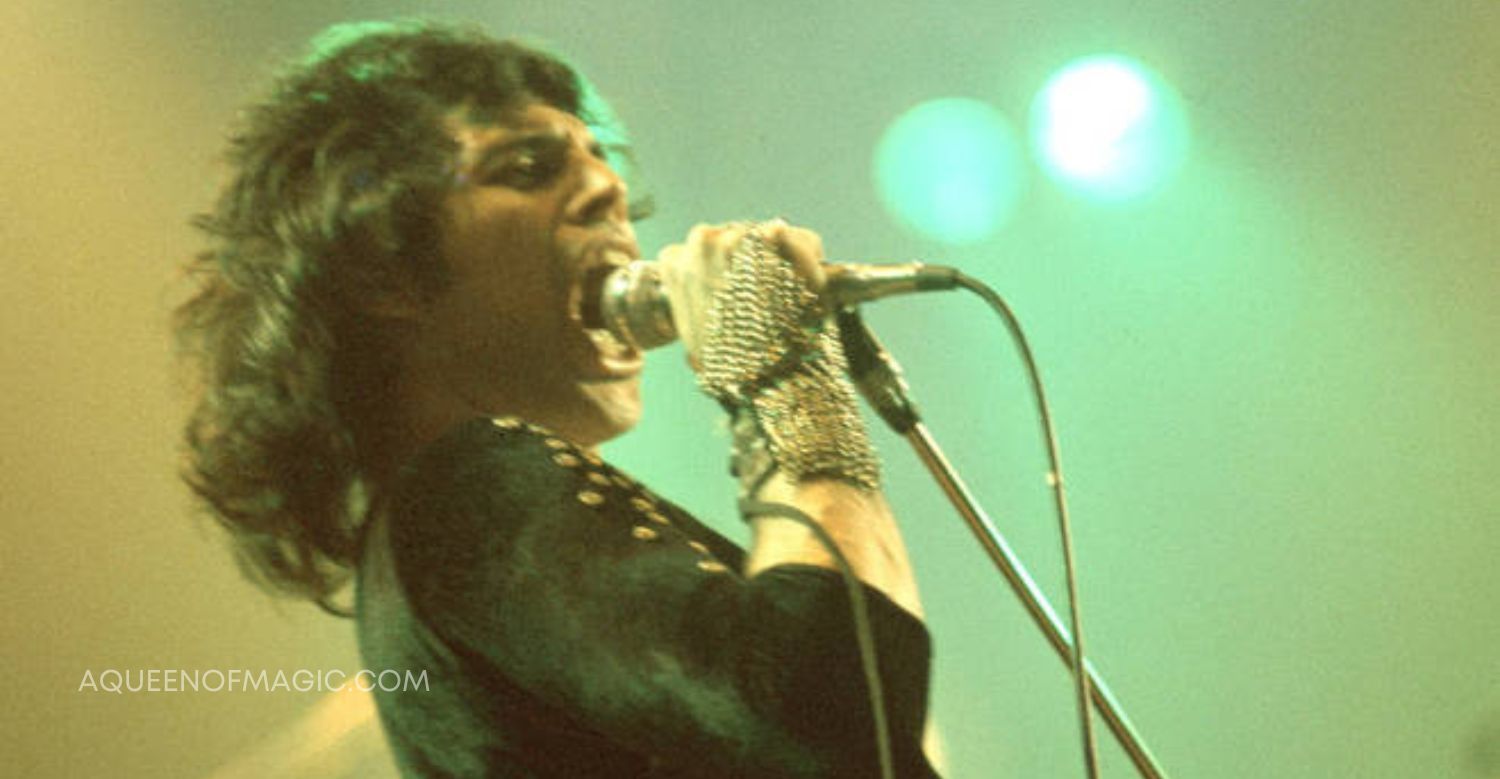
On October 11, 1974, Queen released “Killer Queen” as a single, paired with “Flick of the Wrist” in what amounted to a double A-side.
Written by Freddie Mercury over a single weekend at home, the track was among the last recorded for Sheer Heart Attack that August, yet it became the album’s lead single and the moment the band’s trajectory shifted.
The song entered the British charts at number two, held back only by David Essex’s “Gonna Make You a Star.” Its polished, theatrical pop sensibility initially unsettled Brian May, who worried it might dilute the group’s heavier rock identity.
Mercury, characteristically wry, suggested the piece could have sat comfortably in the catalogue of Noel Coward, the celebrated dramatist known for refined wit and slightly outmoded elegance.
The band’s willingness to embrace such a departure reflected a broader pattern: they consistently treated artistic risk as a necessary step rather than a liability.
How Killer Queen Established Queen’s Distinct Identity
Radio support accelerated the change. Kenny Everett, the Capital Radio presenter and a friend of Mercury, aired the track in late 1974 and told fellow musician Mike Moran that it was the best song ever written.
From that point Everett became an early and influential champion. The recording itself opens with Mercury’s finger snaps before the melody asserts itself, presenting a sound aimed at a wider audience than the band had previously reached.
Drummer Roger Taylor later observed that within a week the comparisons to Led Zeppelin ceased; Queen had acquired a distinct identity of their own.
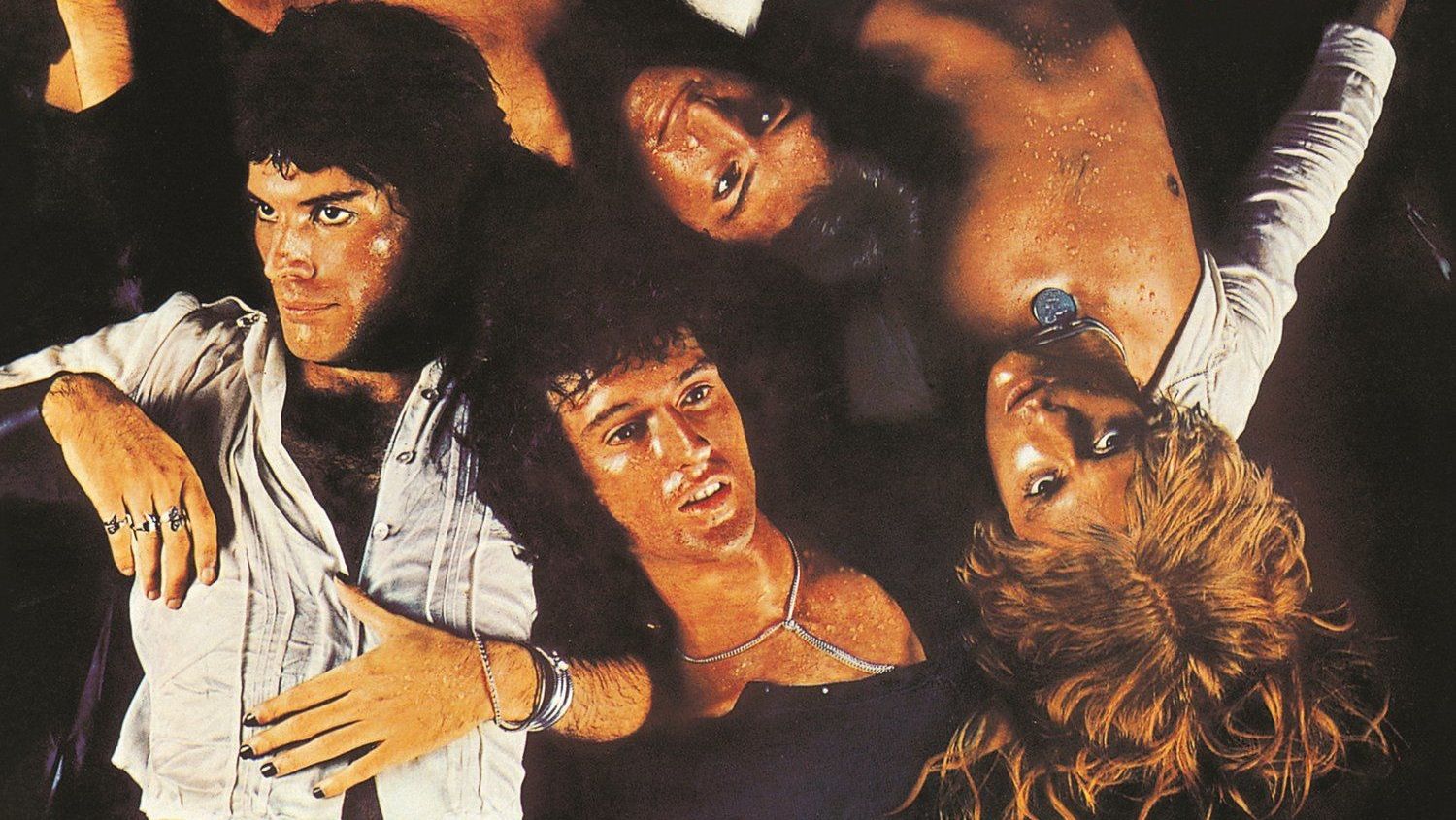
The lyrics, drawn from Mercury’s imagination, allude to the apocryphal remark attributed to Marie Antoinette—“Let them eat cake”—while painting a glamorous, elusive figure.
Mercury likened his “killer queen” to Liza Minnelli, whose performance in Cabaret had left a lasting impression. Anecdotes about the song’s origins have circulated, including a claim by former EMI publicity executive Eric Hall that a bottle of Moët & Chandon left in an office inspired the champagne reference.
Whatever the precise spark, the finished track combined sophisticated arrangement, layered vocals, and concise storytelling into a form that felt both immediate and distinctive.
“Killer Queen” did not simply add a hit to Queen’s catalogue. It demonstrated that the four musicians could move beyond existing rock templates while retaining their signature precision, giving the band a commercial foothold and a clearer sense of its own possibilities.