
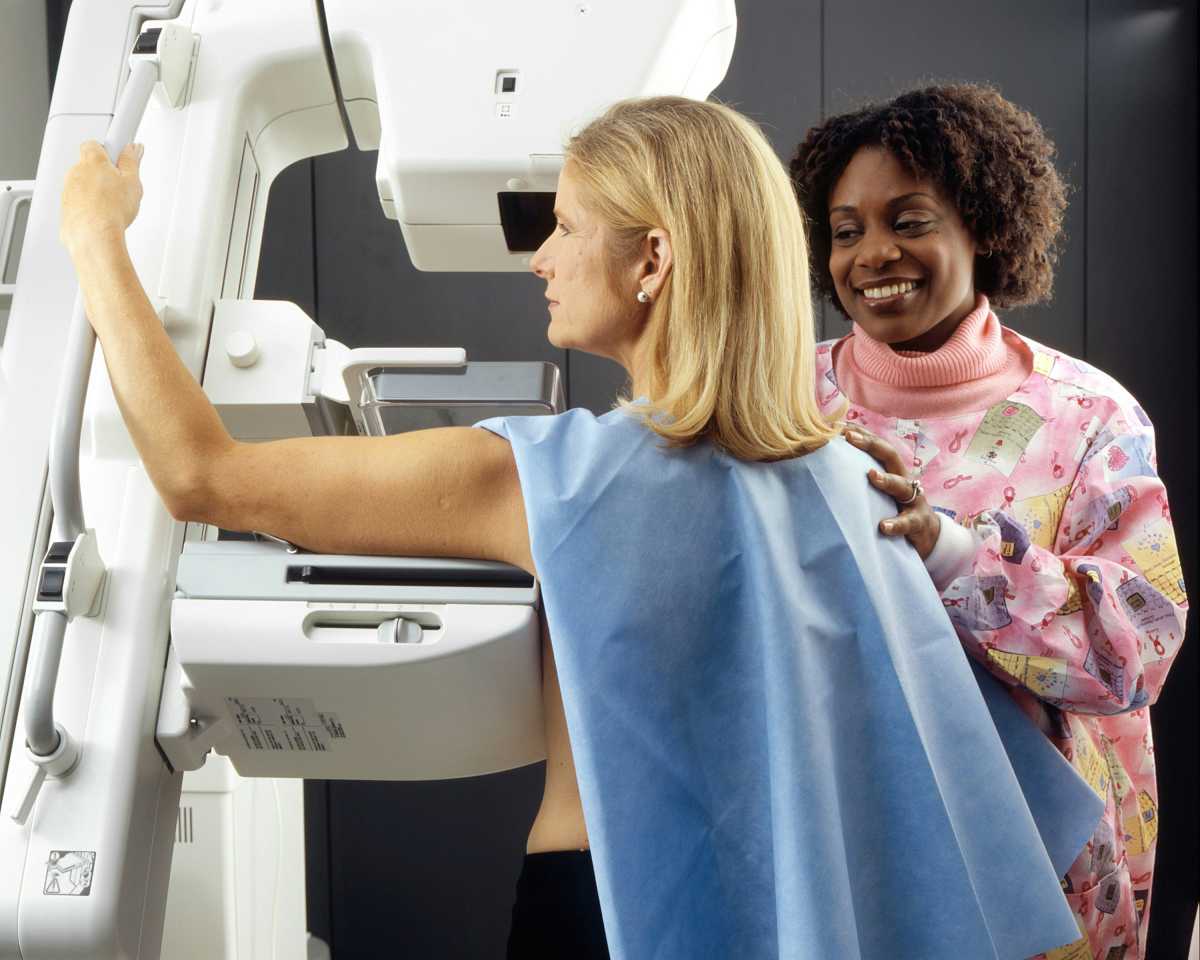
New York State has surpassed its national breast cancer screening goal for the second consecutive year, but Brooklyn doctors say the numbers do not tell the whole story.
Nearly 82% of New York women aged 50-74 are up to date on breast cancer screening recommendations, according to state data announced by Gov. Kathy Hochul during Breast Cancer Awareness Month. Yet physicians say fear, misinformation and the demands of everyday life continue to keep some women from getting mammograms — even when they know screening is important.
For Dr. Natalie Zelenko, a radiologist at NYU Langone Hospital-Brooklyn who specializes in breast imaging and early detection, the problem goes beyond whether a woman can find a facility or afford an appointment.
“We talk a lot about access, but it really isn’t the only factor,” Zelenko said. “And we talk about education and healthcare education, but that’s also never the only reason. It’s usually multifactorial.”
Some patients are afraid of the discomfort associated with mammograms, while others worry about being called back for additional testing or receiving a cancer diagnosis. Even women who understand the importance of early detection can put off an appointment when the process feels overwhelming, she said.
“That fear is very real, and it often prevents very well-educated women with a lot of access from actually undertaking the process of going to get screened,” Zelenko said.
For others, the obstacles are more tangible: finding transportation, arranging child care, taking time off work or navigating insurance requirements and referrals.
“Access means other things as well,” Zelenko said. “You can have work responsibilities where you cannot take time off work, family responsibilities where you have children to take care of, spouses to feed, whatever it may be. Transportation, getting there, and then there are concerns about insurance coverage.”
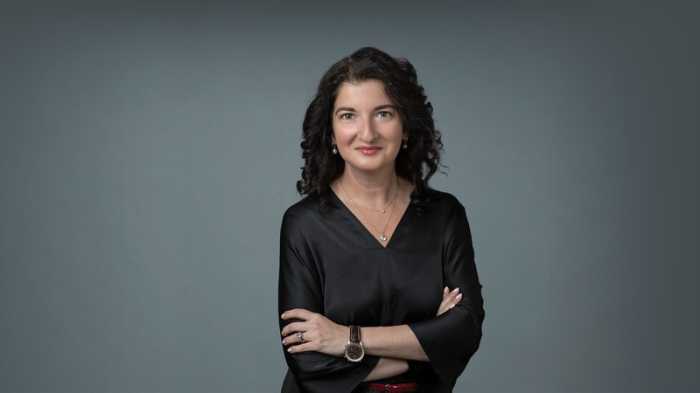 Dr. Natalie Zelenko, a breast imaging expert and clinical assistant professor in the Department of Radiology at NYU Grossman School of Medicine, said Brooklyn women face many barriers in getting mammograms.Photo courtesy of NYU Langone
Zelenko said the process itself can become another obstacle, particularly when patients must coordinate referrals, insurance approvals and paperwork before they can even get through the door.
“I see many women getting discouraged by having too many steps in the process — getting the referral, making sure your insurance is going to cover, faxing in all the right paperwork and then just getting to the appointment,” she said.
“A lot of these things are not always easy,” Zelenko continued. “And when this has to happen every year, and, there’s multiple steps, if it’s not easy you also don’t feel like it, right? It’s not like it’s going to a party.”
Dr. Patrick Borgen, chair of surgery at Maimonides Medical Center and director of its Breast Center, said fear also plays a significant role in keeping women from getting screened.
Breast cancer is a disease that touches many families, and women may associate a diagnosis with the difficult treatments and outcomes they have witnessed in loved ones, he said. Those memories can make the prospect of screening frightening, even before a patient knows whether anything is wrong.
“Everybody knows somebody with breast cancer,” Borgen said. “The degrees of separation in the United States between someone and breast cancer is one.”
He said people are often more likely to remember stories about women who died from the disease or experienced complications than those who were successfully treated.
“When you look at celebrities who get breast cancer, we hear about the patients who lose their life. We hear about the patients who have complications,” Borgen said. “There’s never a story that says, ‘This great star had breast cancer and is doing well.’”
Those stories can shape how women view their own risk, he said. Someone who watched a relative undergo chemotherapy, extensive surgery or radiation may associate a potential diagnosis with those same difficult experiences.
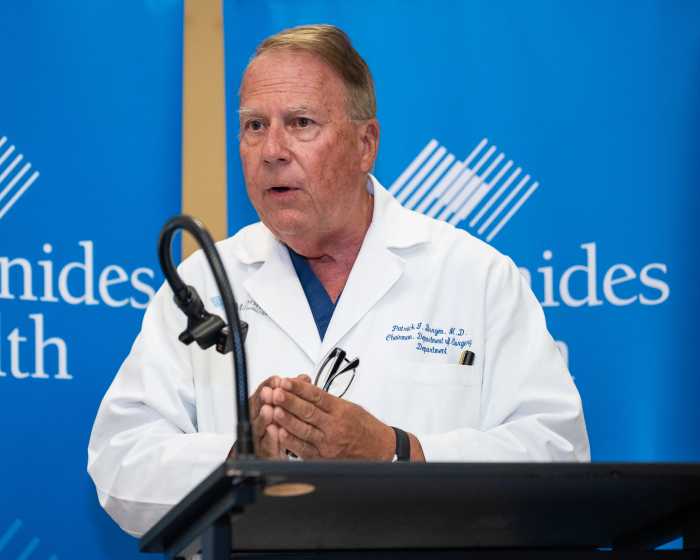 Dr. Patrick Borgen said mammograms get pushed to the back of women’s minds due to “real life responsibilities.”Photo by Gabriele Holtermann
Borgen referenced a line from writer Martha Weinman Lear that captures the anxiety surrounding the disease: “Women agonize… over cancer; we take as a personal threat the lump in every friend’s breast.”
“And that’s really, really true,” he said.
Borgen also pointed to the discomfort some women experience during mammography and the challenge of finding time for an appointment amid work and family responsibilities. In Brooklyn, where many households are balancing competing demands, those practical concerns can push preventive care to the bottom of the list.
“A single mom raising three kids or a grandmother raising her grandchildren, someone working two jobs, I think there are real-life reasons that a mammogram gets pushed to the back of a woman’s priority list because she has so many other life responsibilities,” Borgen said.
“Sometimes women don’t put themselves first. And that is very, very, very real in Brooklyn.”
Confusion over screening recommendations
Even when women want to take charge of their health, knowing when to begin screening and how frequently to get checked can be another hurdle.
Zelenko said patients sometimes assume they do not need mammograms because they have no family history of breast cancer. Others are confused by changing recommendations and conflicting information from the media, the internet and even healthcare providers.
“There’s so much information and misinformation out there,” Zelenko said. “We’ve had so many recommendations being put forward and then rescinded and then corrected.”
She said some patients ask why they should get screened if nobody in their family has had breast cancer — a misconception that can leave women believing they are not at risk.
“There’s a lot of women who say to me, ‘Well, I don’t have any family history, you know, none whatsoever, so why would I get screened?’” Zelenko said.
She added that the health care system or referring physicians don’t always clearly communicate screening recommendations, and they may themselves be unfamiliar with the latest guidance.
A regular relationship with a primary care physician can help women keep track of when they are due for screening, she said. Without that reminder, an appointment can easily slip through the cracks.
“Sometimes it’s just a matter of your primary care physician reminding you and saying, ‘Hey, you’re due for a mammogram, and you should go,’” Zelenko said. “But if no one says that, that also slips through the cracks in your own personal life.”
Even among her own friends, she said, screening can be something women repeatedly postpone.
“We put it off — because we don’t feel that it’s critical in the moment, there are other things that are critical in the moment,” she said.
Borgen also cited inconsistent messaging about when women should begin getting mammograms. He said the uncertainty can undermine efforts to encourage patients to seek preventive care.
Current guidance from the U.S. Preventive Services Task Force recommends that women at average risk receive a screening mammogram every other year from ages 40 through 74. People with a personal or family history of breast cancer or other risk factors may need a different screening plan and should discuss their circumstances with a health care provider.
Both doctors emphasized the importance of early detection, which can identify cancers before they become large enough to feel.
“When we find a small breast cancer that neither we nor the patient can feel, so non-palpable breast cancer, the cure rate in the United States is 96%,” Borgen said.
He added that detecting cancer early can also mean less intensive treatment. Patients whose cancers are caught at an early stage are less likely to need chemotherapy or extensive surgery, he said.
“In these early cancers, it’s rare to need chemotherapy. It’s rare to need big surgery. It’s rare to need disfiguring surgery,” Borgen said. “The treatments become kinder and gentler the earlier that it’s caught.”
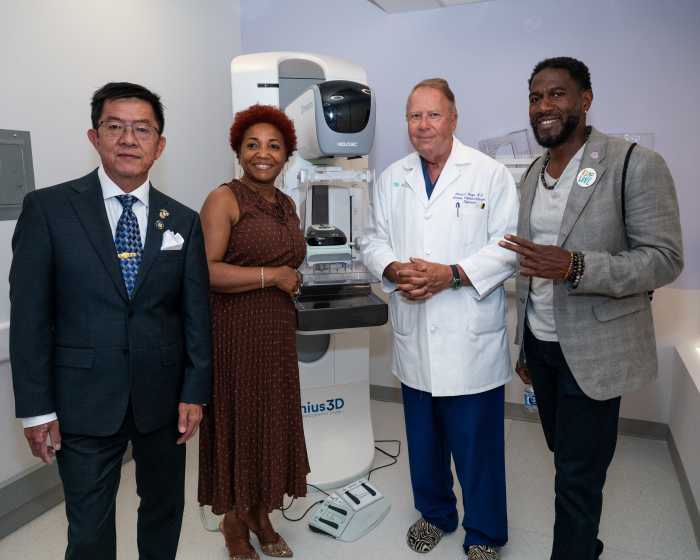 Borgen said that the earlier breast cancer is caught through mammograms, the easier it is to treat.Photo by Gabriele Holtermann
Zelenko similarly stressed that early detection can make a significant difference in treatment and outcomes.
“Breast cancer today, if found early, is so extraordinarily treatable,” she said. “By not getting screened, you are harming yourself to the Nth degree.”
Zelenko said her goal as a breast imager is to identify cancers when they are still tiny and potentially easier to treat.
“Our goal is to find cancers that are not palpable, that are barely visible on a mammogram,” she said. “My goal is to find something that’s barely visible, something that’s less than a centimeter, that’s like a fifth of an inch.”
She said those small cancers can often be treated with comparatively less intensive interventions, underscoring why she wants women to prioritize screening even when they feel healthy.
Breaking down barriers across Brooklyn
New York has taken steps to expand screening access. In 2024, Hochul signed legislation expanding insurance coverage for breast cancer screening and imaging to include nationally recognized guidelines. The state also offers free breast cancer screening and diagnostic services to eligible uninsured New Yorkers through its Cancer Services Program.
But Zelenko said insurance coverage and the availability of screening facilities address only part of the problem.
“It’s great that the state is expanding access,” she said. “But access, physical access, and physical insurance coverage, they’re great, they’re amazing, and 100% that’s the baseline. But there are other elements to access.”
In Brooklyn’s multicultural communities, cultural expectations, modesty concerns and misconceptions about medical procedures can also discourage women from seeking care.
Some patients may worry about being seen undressed or may not know what to expect at a screening facility, she said. Others have concerns about radiation exposure from mammograms.
Zelenko said providers need to understand those concerns rather than assume every patient approaches screening the same way.
“There are women who don’t come because maybe they’re afraid they will be seen undressed, and in their culture, that’s highly inappropriate,” she said. “They don’t know that there are no men in the facility, for example.”
She said explaining how the procedure works and what accommodations are available can help women feel more comfortable seeking care while respecting their cultural and personal boundaries.
“We can do this within the guidelines of modesty,” Zelenko said. “We understand that it’s important to them.”
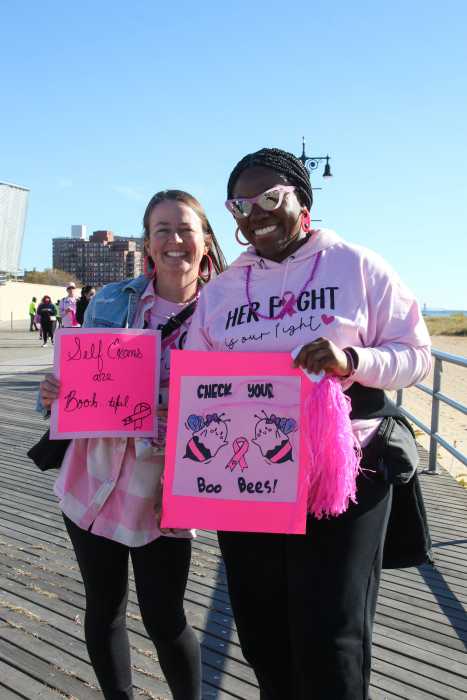 Zelenko spoke of the cultural barriers that stop many from getting mammograms.Photo by Erica Price
Misinformation about radiation is another concern she encounters. Some women fear that the radiation involved in a mammogram could cause cancer, she said, and may avoid screening because they do not understand the level of exposure involved.
“There’s this concept of, ‘it’s radiation and therefore it’s scary,’” Zelenko said. “And again, that plays into fear.”
For Zelenko, these concerns demonstrate why simply making appointments available is not enough. Patients also need information they can trust and a health care system that makes them feel comfortable asking questions.
“There are barriers that we don’t understand,” she said. “And if we understood better and we could have a better conversation, then I think we could break down a lot of those barriers.”
Borgen, meanwhile, said health care providers should consider ways to make screening more convenient for patients who cannot easily leave work or home responsibilities behind.
Maimonides Breast Center offers weekend appointments, which he said are busy, and he suggested that expanding evening hours could be worth exploring. Mobile mammography units and assistance with transportation costs could also help reach women who face difficulties getting to appointments.
“Is there a way to use mobile mammography? Could we bring mobile units into neighborhoods?” Borgen said. “Could we help cover transportation costs for someone getting their mammogram?”
He said these options could help address practical barriers that remain even as screening technology improves and insurance coverage expands.
Hochul’s announcement that New York had exceeded its national screening goal for a second consecutive year is encouraging, Borgen said. Still, he wants health care providers to focus on the women who remain behind.
“Rather than throwing a party for the 80%, I’d like to look at the 20% and say, ‘What can we do?’” he said.
Starting the conversation early
Although routine screening recommendations primarily target women beginning at age 40, both doctors said conversations about breast health should start earlier, particularly for those with a family history or other elevated risk factors.
Zelenko said women in their 20s can benefit from learning about screening before it becomes immediately relevant to them. That way, they are more likely to know what to expect and when to speak with a provider as they approach the recommended screening age.
“Twenty-something is a good time to have that conversation because then you’re anticipating it when you turn 35,” Zelenko said. “I think having it on your radar is really important.”
She said women can spend their 20s focused on work, relationships and other milestones without realizing how quickly they will reach the age when routine screening becomes relevant.
“You turn 35 much faster than you think you’re gonna,” she said. “And then you turn 35 and you just don’t think about it. You’re too busy living a life.”
Borgen said he is seeing more breast cancer diagnoses among women in their 20s and 30s than he did 15 years ago. Although researchers are still investigating why breast cancer is increasingly being diagnosed at younger ages, he said women with a significant family history should discuss an individualized screening plan with their providers rather than automatically waiting until 40.
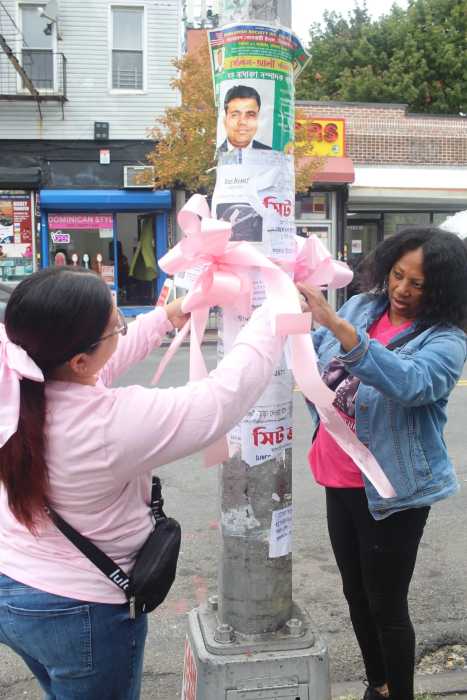 Both doctors said women should generally begin getting mammograms at age 40, while those with a family history of breast cancer may need to start as early as 35, depending on their individual risk and their health care provider’s recommendations.Photo courtesy of BACDYS
“A woman who has personal risk factors, maybe whose mom, grandmother, aunt had breast cancer, should almost always start in her 30s rather than waiting until 40,” Borgen said.
He said a relative’s age at diagnosis can be important when determining when to begin evaluating risk. Younger women may also need different screening methods because dense breast tissue can make mammograms less useful in some cases.
“In general, in the 20s, mammograms are not as helpful as we would like them to be,” Borgen said. “They start in the 30s being much more accurate and much more useful.”
Both doctors stressed that women with concerns about their family history or personal risk should speak with a health care provider to determine the appropriate timing and type of screening.
Ultimately, both doctors said, Breast Cancer Awareness Month offers an opportunity to bring those conversations to the forefront — but the effort to improve screening rates must continue throughout the year.
For Zelenko, October’s value lies in giving people a reason to pause, learn something new and reconsider a screening appointment they may have been putting off.
“It could’ve been May, it doesn’t matter,” she said. “But it is important to have a time where we highlight an issue because it allows us to bring it to the forefront of a conversation.”
She said awareness campaigns can encourage people to seek out information, read educational materials or click on resources they might otherwise overlook.
Borgen agreed, noting that campaigns can help women see survivors as people like themselves and motivate them to get checked.
“Anything that we can do to motivate those 20% of women, ‘Please, please, please come get your mammogram,’ it’s very worthwhile,” he said.