
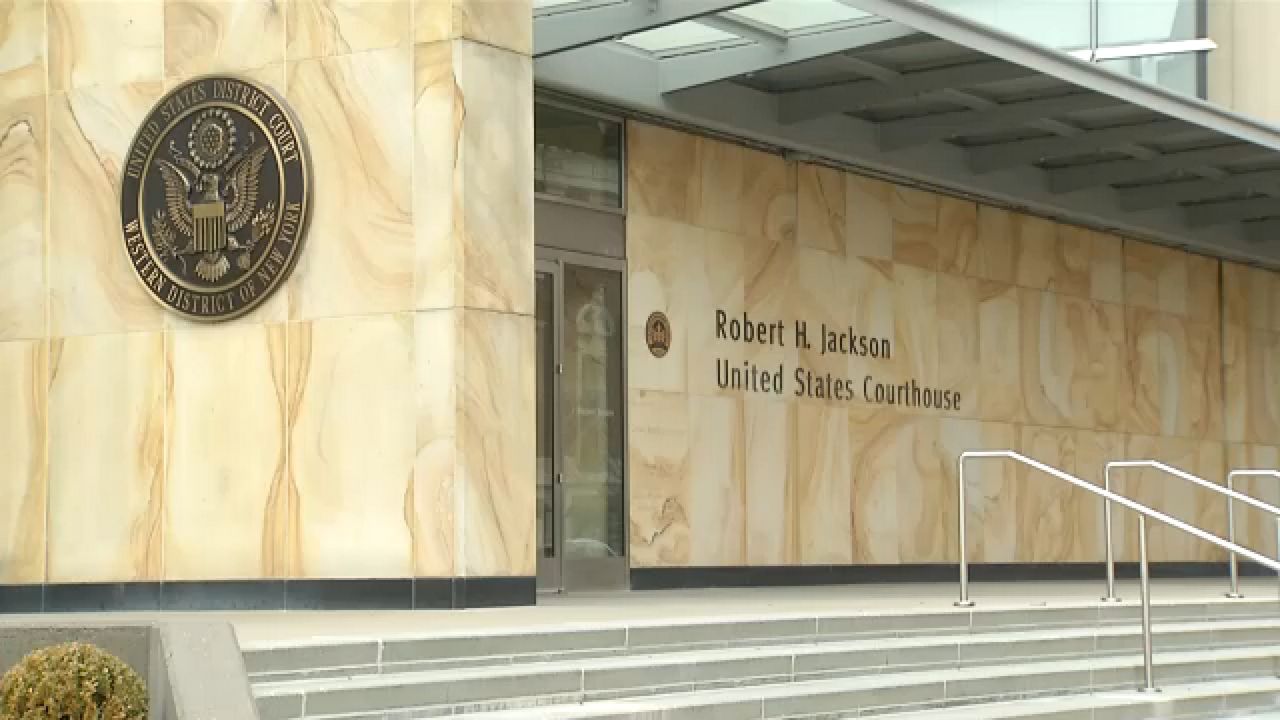
ROCHESTER, N.Y. — Jury selection for Buffalo mass shooter Payton Gendron’s federal death penalty case begins Tuesday. The 23-year-old is already serving a life sentence in prison after pleading guilty to his state charges for killing 10 Black people at a Tops grocery store on the east side of Buffalo in 2022. Four years later, he is now facing capital punishment. This is a fairly rare occurrence in a state where the death penalty is banned.
According to the Death Penalty Information Center, New York is one of 23 states that has banned the death penalty. But at one point, the Empire State was actually second in the country, only behind Virginia, for most executions.
“The last execution under New York state law occurred in 1963… a man named Eddie Lee Mays,” James Acker, a distinguished teaching professor emeritus of the School of Criminal Justice at the University of Albany, said.
New York has performed 1,130 executions since 1608. However, the legalization of capital punishment in New York has gone back and forth throughout the decades. The federal government deemed it unconstitutional in 1972 and left it up to the states. New York rewrote the statuate in 1973 to bring the death penalty back, but in 1977, it was banned again. That was until 1995 when New York’s last Republican governor took office. But by 2004, Acker says political priorities had shifted and the death penalty was banned for good.
“The death penalty is declared unconstitutional in People v. LaValle,” Acker said.
A jury was responsible for deciding if a defendant should be sentenced to death, or life in prison without parole. However, if a jury deadlocked, the death penalty read, “The court will sentence the defendant to a term of imprisonment with a minimum term of between twenty and twenty-five years and a maximum term of life.”
“Your decision must be unanimous. And then under this law, and here’s the problem with the law, the judge instructed the jury, if you can’t arrive at a unanimous verdict for death or life without parole, I must sentence the offender to life imprisonment with the possibility of parole after 20 years,” Acker explained. “So this doesn’t make any sense, does it? I mean, if you’re split 11 to 1 for death, the guy’s going to get 20 to 25 to life. If you’re split 11 to 1 for life without parole, the person’s going to get 20 to 25 to life. And the New York Court of Appeals said this doesn’t make sense. It actually creates such coercive pressure on a holdout.”
The courts determined the wording of the death penalty to be unconstitutional for adding pressure onto jurors to agree if a defendant deserved the ultimate punishment. That was in the People v. LaValle case 22 years ago.
“It was something out of a Stephen King novel to be honest with you,” LaValle said in describing what it was like living on death row for five years.
At 37-years-old, Stephen LaValle was sentenced to life without parole for murder and rape in the first degree. He is currently incarcerated at the Shawgunkunk Correctional Facility, where he is 30 years into his sentence. He says there’s death by lethal injection and there’s the life he’s living.
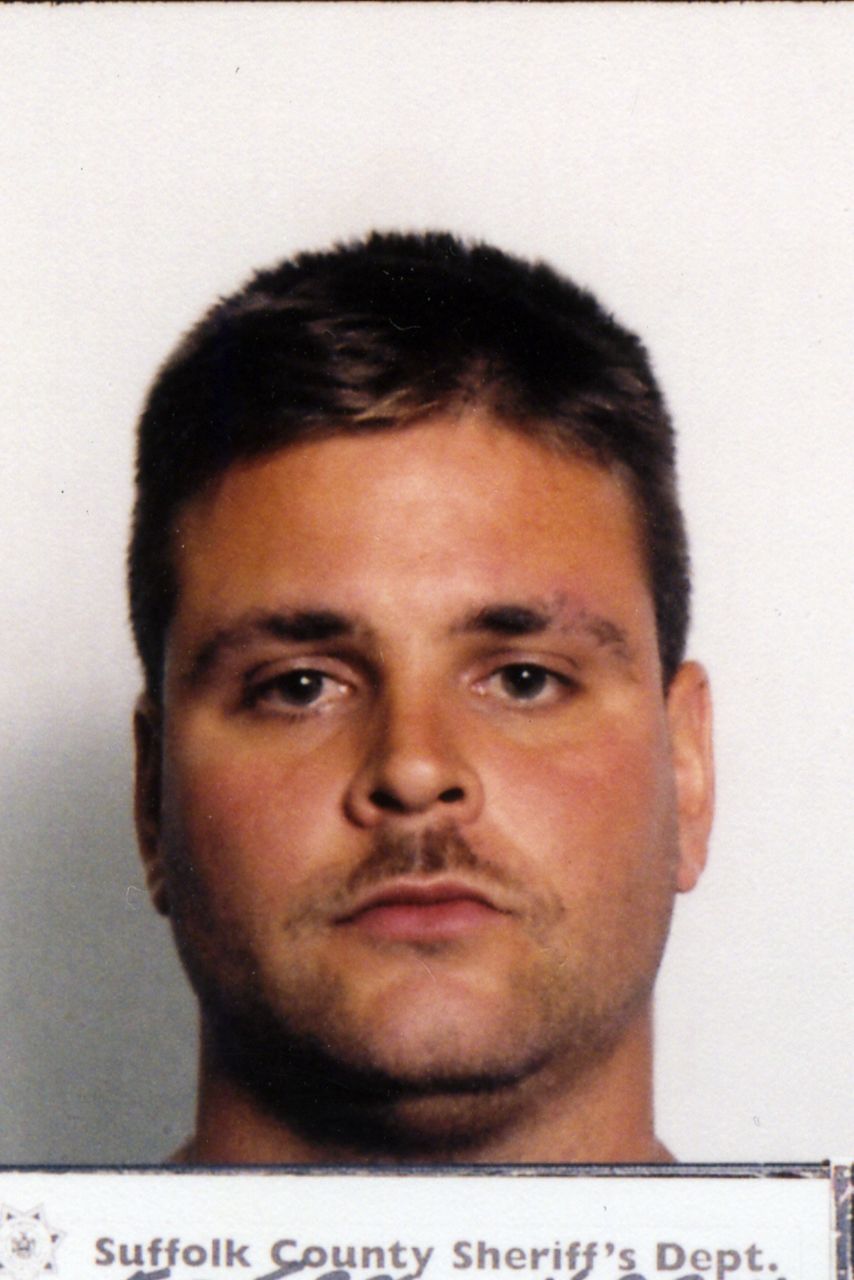
“I lost 14 family members in the past several years. I lost my mother, my father, my sisters, my brothers. I lost my grandparents. And anybody who loved or cared about me has passed away. And to be honest with you on that, I’m actually the last one standing,” he explained. “You wake up each morning knowing that you will never see the light of a free man. You’ll never be able to walk in the grass with your bare feet and never be able to meet somebody, or go to the park, or go to the movies with a girlfriend. It’s every day you just you are just waiting to die in a cell.”
Case filings detail LaValle’s victim, a 32-year-old mother of two, was found in the woods with 73 stab wounds.
“I’m not defined by my worst actions and what I’m accused of. I’ve been fighting for years to get exonerated. I’ve been fighting for years to get this trial. And I’ll continue to fight,” LaValle said.
“I think some of the heinous crime, the hate crimes and any of those types of overt assaults and murders of police officers, and or murders of corrections officers within the facilities. I mean, I think those are deserving levels of punishment,” former Sen. George Winner, Jr. said.
Winner was serving the then-54th district of New York when the death penalty was banned. He recalls immediate efforts to overturn the decision. In 2006, he co-sponsored legislation to reinstate capital punishment for those charged with killing a police or corrections officer.
“It was motivated by a number of police officer killings that happened in the Andrew Square case and in Chemung County, was a really significant case,” Winner explained. “There was some thought that the death penalty is a potential deterrent, as well as an appropriate punishment for the level of heinous crime that is being committed.”
The legislation passed in the Senate but not in the Assembly. Life without parole remained New York’s highest charge.
“It’s a slow death,” Jalil Muntaqim admitted. “They lose their sense of worth and value. Life in and of itself is torturous, particularly in the prison system. In the slave system.”
Muntaqim, previously known as Anthony Bottom, was released in 2021 after more than 49 years behind bars. He was a member of the Black Panther Party when he was arrested in the 1970s and charged with murdering two New York City police officers. At the time of his trial, the death penalty was reinstated at the state level for murder of law enforcement.
“They were considering putting us up for the death penalty, but the law changed,” Muntaqim recalled. “Which was a relief, of course. But you’re going to find that life imprisonment its still the death penalty.”
That is one thing Muntaqim and LaValle agree on. This is in addition to neither believing they had a fair trial. LaValle struggled with his counsel from the capital defenders office. Muntaqim calls himself a political prisoner, and a victim to racial stereotypes nearing death row behind bars.
Muntaqim believed in and experienced a form of rehabilitation behind bars. He says he never lost hope. Instead, he put his energy into writing two books during his incarceration, starting a prison newspaper and putting his energy toward his advocacy work. LaValle, on the other hand, says he has had a few jobs behind bars, but his charges don’t allow him to work in multiple positions because they are too severe.
“I’m not defined by my first action and what I’m accused of. I said, I’ve been fighting for years to get exonerated. I’ve been fighting for years to get this trial. And I’ll continue to fight,” LaValle explained. “Hope is a very dangerous thing, but I mean, you have to hold on to some kind of something good.”
Luigi Mangione and Gendron have both been sentenced to life in prison without parole for their state charges. However, now they face the federal death penalty – Gendron for killing 10 people in grocery store in Buffalo and Mangione for the death of health care CEO Brian Thompson.
“Always the concern is that admissions, with regards to one, set of circumstances in the state or federal, vice versa, will affect the evidence that can be used against that person in the other jurisdiction,” Avik Ganguly, a federal criminal defense lawyer, said.
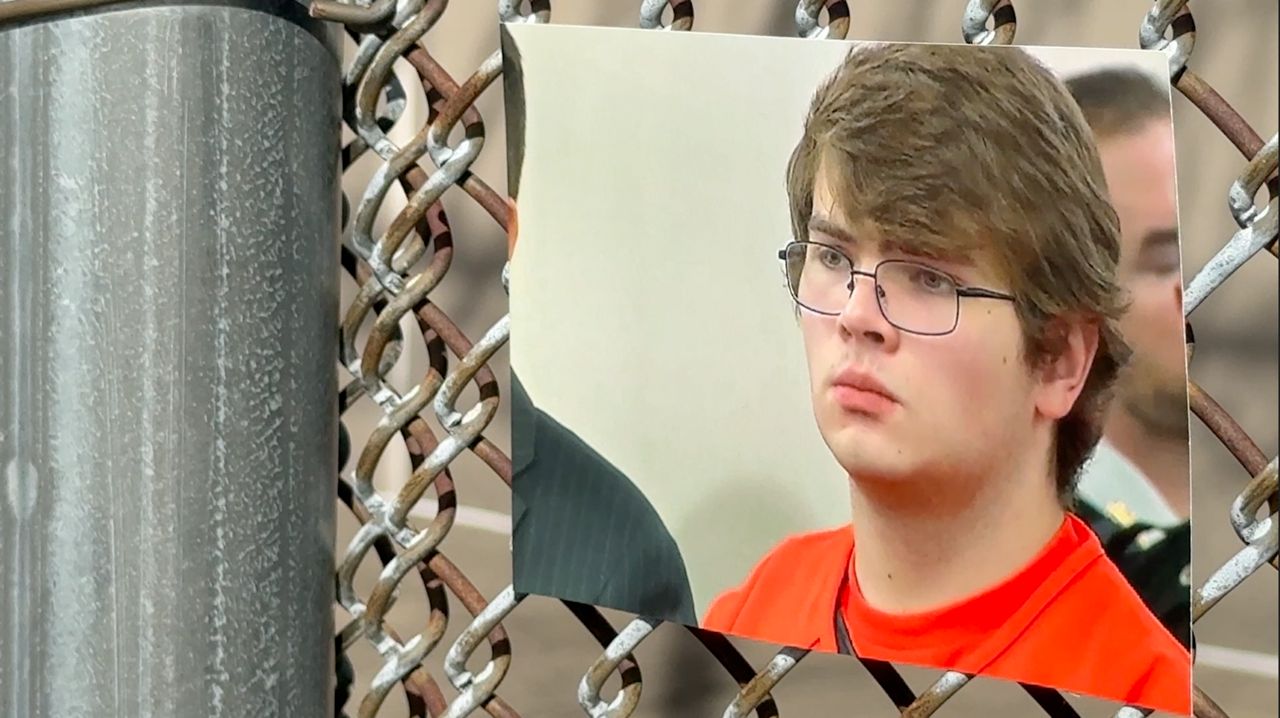
Gendron is being held in Livingston County Jail until his federal trial. Mangione’s capital case is on the docket for later this year. LaValle recalls his sentiments on death row to place himself in these two defendants shoes.
“You would have to not be human if you’re not scared. Of course, you’re scared. The unknown is a very powerful thing,” LaValle admitted.
A possible addition to the list of ongoing capital punishment cases in New York could include three defendants who have pled guilty of first degree murder and kidnapping of Sam Nordquist. The 24-year-old Minnesota man was tortured for weeks before he died in Ontario County in February 2025. Precious Arzuaga, Jennifer “Brooklyn” Quijano and Kyle Sage are being federally investigated for the crime. Should charges be filed, they could also be sentenced to death.
“The death penalty, I don’t necessarily believe in that. It’s too easy,” Nordquist’s mom, Linda, said.
Nordquists’ family says they understand both sides of the issue. While they believe in the “eye for an eye mentality,” they also question if cutting a life with those decisions would be a simple way out.
Ganguly is lead capital counsel for Sage in the Nordquist death federal investigations. A defendant is entitled to counsel at the earliest phase of a federal investigation when the death penalty could be on the table. Sage, and his co-defendants, have not officially been federally charged.
“Some of those cases involve treason or espionage, murder in the aid of racketeering, drug-related and continuing criminal enterprise murders. Some kidnappings, killing of a law enforcement officer,” Ganguly lists.
Those are just some of the charges brought by the U.S. Attorney’s Office that qualify for the death penalty today. Federal hate crime may be added to that list. In New York, Gendron could be the first individual sentenced to death in New York in more than 60 years.
Rev. Sharon Risher has been in the shoes of the families who lost a loved one in the Buffalo mass shooting. Risher’s mother was killed in the Charleston Church massacre in 2015, which was also motivated by hate.
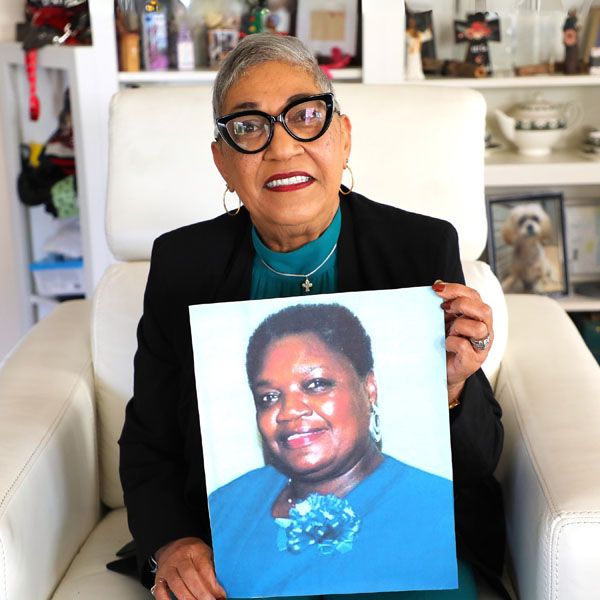
“They are feeling hurt, they are feeling confused, they are feeling conflicted, they are overcome with grief. So what I would say to them is feel what you’re feeling. Don’t let anybody tell you that what you’re feeling is wrong. You have to live with whatever it is, that you have in the inside of you. And let that be. Give yourself some grace,” Risher advised. “At that time, doing the trial, I believed in the death penalty. But before everything was over with, I, my mind and my heart and my faith, told me that killing him was not going to stop. Would it happen? It was not going to bring my my mother back and my family members back.”
Risher says it took her two years to forgive her mother’s killer. Her faith protects her from believing he deserves the death penalty.
But some lawmakers believe the death penalty should be re-instated in New York for people like Gendron.
“I’m horrified by the horrible the nature of some of these crimes,” Winner said. “And I do personally still believe that capital punishment is appropriate under the circumstances of those really heinous crimes.”
“You’re in jail. You have visits. A lot of times you can get your college degree. You can do all these things that we pay for. And so if that’s the jail that a Gendron gets, then I would just pursue the death penalty,” Sen. Rob Ortt said.
“Obviously in New York, we don’t have the death penalty. Therefore, there is no legal executions that take place, no prescribed procedure that New York state follows. So necessarily that person would be committed to the custody of, within a state of the attorney general, within a state, that does have the death penalty,” Ganguly explained.
As a banned state, Gendron would be brought to a state where capital punishment is legal for his execution. Like Terre Haute, Indiana, where a lethal injection gurney sits. It’s one of the 27 states that kept capital punishment across the country.
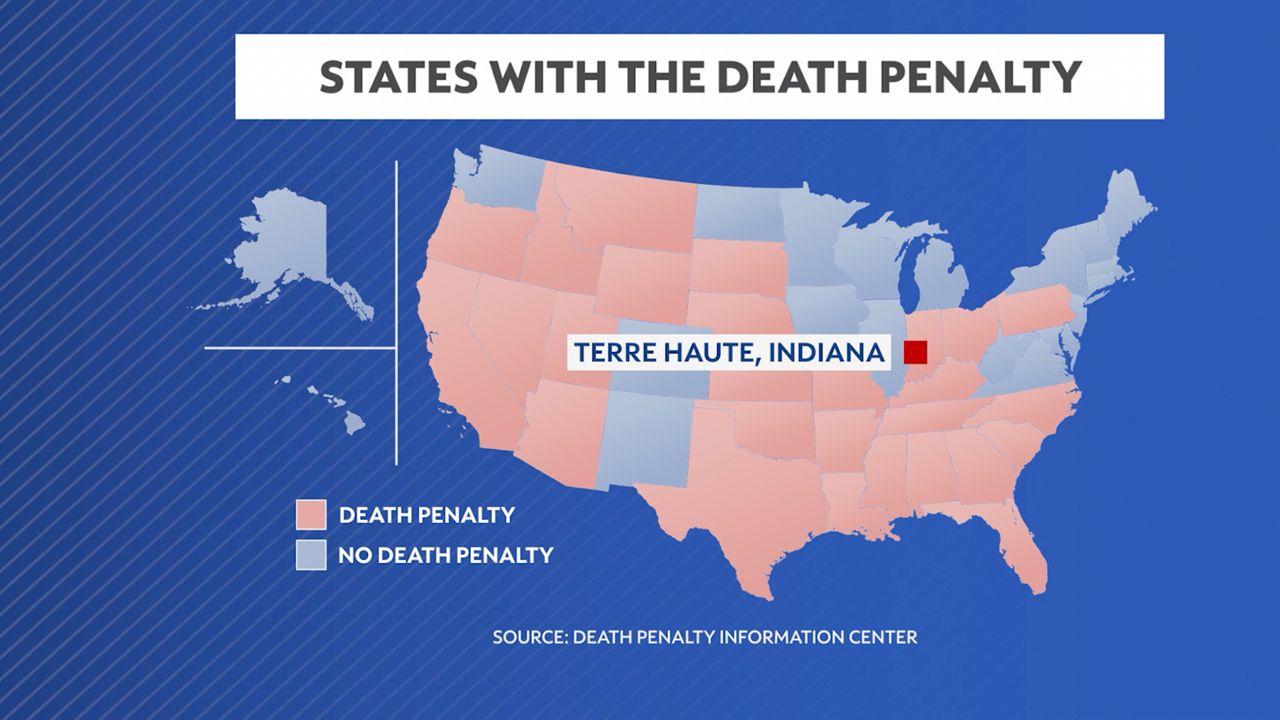
The bill would be fronted by the federal government.
“The U.S. taxpayer does pay for the extensive cost of not only the investigation and prosecution of these cases, but also, in many aspects, the appeal process, the legal process, the confinement that takes place, as well as carrying out the execution, it is a very, very expensive, bill for the taxpayer,” Ganguly explained.
“It’s expensive. There’s no question that the level of court proceedings and the amount of appeals and all in the protections of potentially executing an innocent person are there and appropriate,” Winner said.
“There’s federal prisons and there’s state prisons. And if you pay your taxes, you pay both,” Ortt added. “I think the real issue is not nickels and dimes. It’s what do we determine is justice?”
LaValle says he believes people get better during their time behind bars. He says he has only had two misbehavior reports over the past 20 years and none in the past 10, for example.
“You don’t really grasp life without parole until you spent 30 years living in it and seeing 30 years of guys going home and seeing some of your closest friends all these years going on. And then in the back of your mind, you’re like, ‘oh, you’re not going home,'” he explained. “I hope that one day I’m able to see everybody that’s ever doubted me that I didn’t do this horrible crime, but I have to live with it until I can change it that day.”
LaValle has had years to reflect on the ‘what-ifs.’ When asked if he’d have preferred to be sentenced to death 24 years ago, LaValle said, “I look at it with mixed feelings right now. Sometimes I wish that they did give me the death penalty because I wouldn’t have to live this life I’m living anymore. I mean, being in prison at 60 years old, it’s hard.”
Now on the outside, Muntaqim continues advocating for change.
“The problem with the death penalty is that it’s not fair. It’s not equitable. The rich don’t get the death penalty. The super rich, they don’t get the death penalty. Only the poor, the disenfranchised, the throwaways and the social order,” Muntaqim admitted.
Victims families, however, continue their pursuit for justice.
“No matter what, I don’t want to see a person executed. I just know that in my faith, a person is given a second chance, fifth chance, sixth chance. So who am I to put judgment on that?” Risher said.