
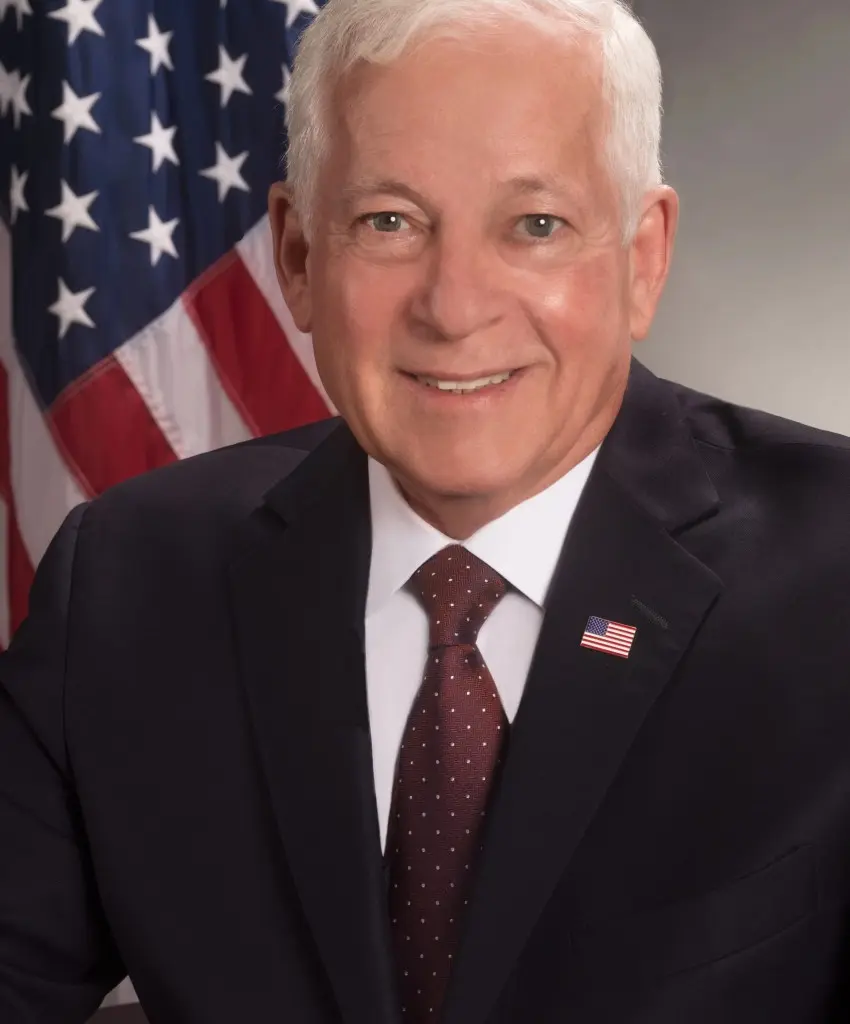
Assembly member Charles Lavine (D-North Shore) has been named as part of a panel that will convene before the end of the year to develop legislative recommendations on the state’s sexual assault statutes.
Office of Assemblymember Charles Lavine
A panel made up of New York State Assembly members, including one from Long Island, will convene before the end of the year to develop legislative recommendations on the state’s sexual assault statutes in the wake of the Cornell University gang rape case.
The Assembly members in the working group named by Speaker Carl Heastie (D-Bronx) included Charles Lavine (D-Glen Cove). The panel’s primary focus will be to examine issues and perspectives on the state’s sexual assault statutes, according to a statement from Lavine’s office.
The panel was announced on Sept. 30, and comes weeks after a former Cornell University student, known as Jane Doe, filed a civil lawsuit on Sept. 16, which alleges she was sexually assaulted by multiple Cornell fraternity brothers in 2024. Doe named the university, the Chi Phi fraternity and several individuals as defendants in the lawsuit and alleges she was gang raped by several members of the fraternity, according to previously published reports. In legal filings, Doe said she arrived at the fraternity house voluntarily intoxicated.
“I am deeply troubled by the allegations surrounding the Cornell rape case, particularly the vile attempts by so many to blame the victim,” Lavine said in a statement. “The voices of crime victims must be listened to. Those responsible must be prosecuted and held accountable. I am honored to have been selected for this profoundly significant task. I thank Speaker Heastie and hope that something positive will come out of this that will help protect the people of New York State.”
The state’s current sexual assault statutes are defined in Article 130 of the state’s penal law and state that a sex offense is deemed to have occurred if the victim did not consent to engage in sexual acts. The statutes state a person is unable to give consent if they are less than 17 years old, mentally disabled, mentally incapacitated or physically helpless.
According to the Syracuse Law Review, a person is “mentally incapacitated” when something done without a person’s consent makes the person unable to appraise a situation. A person is “physically helpless” if the person is unconscious or is physically unable to communicate consent, according to the law review.
New York is also one of 19 states across the country with voluntary intoxication laws, which state that individuals who choose to consume alcohol or drugs are not automatically considered unable to give consent. Under state law, someone is only deemed mentally incapacitated if the person was administered an intoxicating substance without the person’s consent. The statute also states that if the person became intoxicated voluntarily, the definition of “mentally incapacitated” is no longer applicable.