
By Ryan Schwach
Criminal justice advocates and Win Rozario’s family want Mayor Zohran Mamdani to go deeper on a set of police reforms he introduced on Monday, which he said were an “obligation” to the Queens teen and his family.
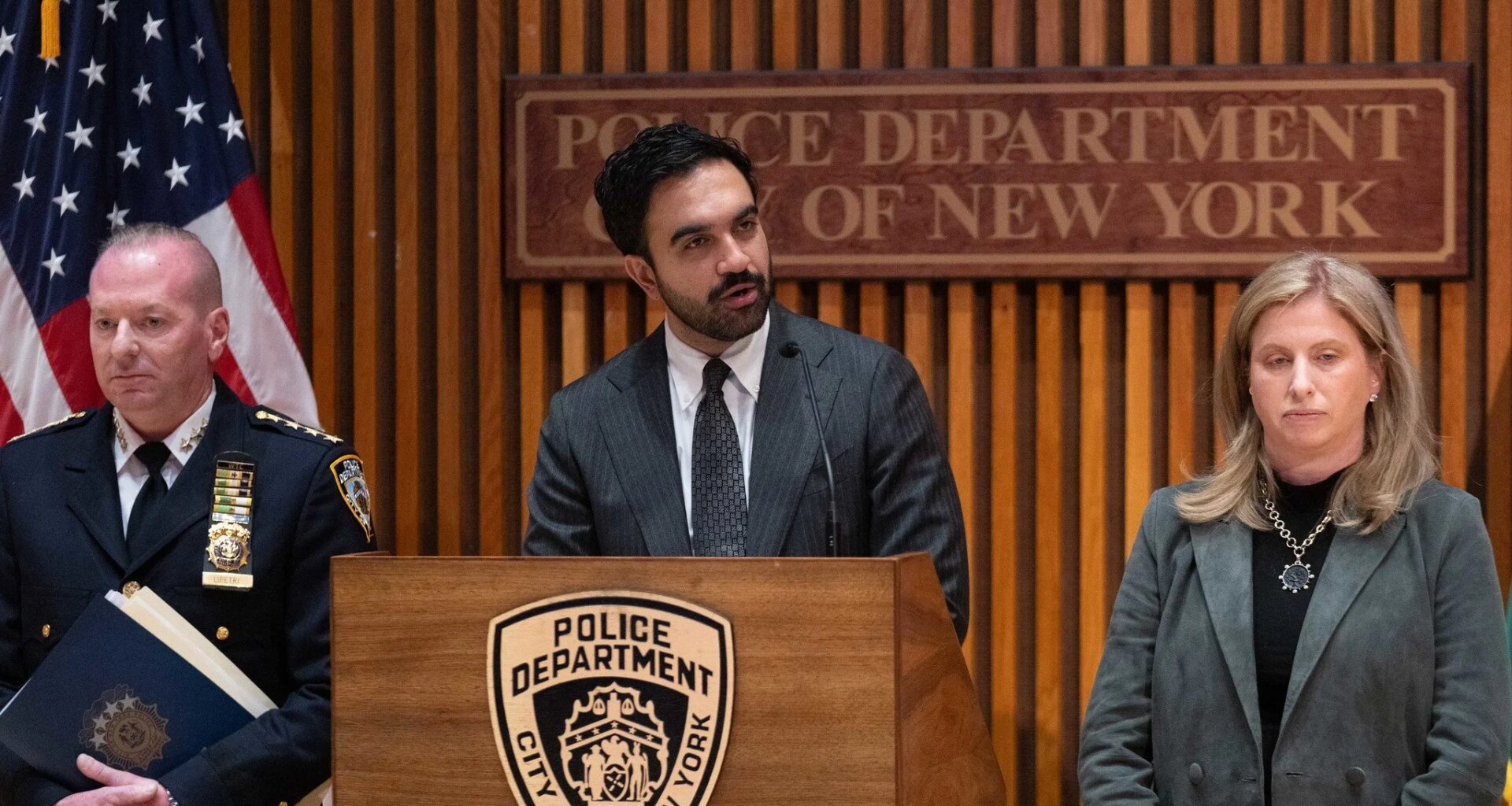
Mamdani announced new reforms to the NYPD’s use-of-force policies and practices in response to the department’s mishandling of the Rozario case – an officer involved in the teen’s shooting was improperly allowed to retire while still under investigation by both the NYPD and the Civilian Complaint Review Board.
However, criminal justice advocates who have represented the Rozario family since his death in a 2024 shooting involving NYPD officers said this week that the mayor’s new reforms aren’t enough.
“While we appreciate Mayor Mamdani’s intent behind these reforms, they fall far short of what New Yorkers, including Win Rozario’s family, need and deserve,” Justice Committee Executive Director Loyda Colon said in a statement. “The problem is not that the NYPD needs more training or to revise its policies, but that the Department consistently evades oversight, transparency and meaningful change, violates the law and its own rules to do so, and shields officers who harm and kill New Yorkers from facing discipline.”
Mamdani’s new policy announcement came a few days after it was reported that Salvatore Alongi, one of the officers involved in the shooting, had retired, avoiding disciplinary charges from the Civilian Complaint Review Board in an apparent violation of the watchdog group’s agreement with the NYPD.
“Alongi’s retirement with an enhanced pension and the NYPD’s failure to notify the CCRB and report him for decertification is a glaring example of this,” Colon said. “Previous administrations tried to require the NYPD to review and adjust its own policies and it has never worked.”
The Eagle reported on Friday that Alongi qualified for accidental disability retirement, which he applied for before being hit with the CCRB’s charges. Accidental disability retirement, often known as “three-quarters,” allows an officer to retire early due to a mental or physical injury sustained in the line of duty and includes a yearly pension worth 75 percent of their final salary.
The department blamed a civilian employee for failing to alert the CCRB to Alongi’s retirement so that the board could move quickly to hold a trial in the case. The employee was demoted and reassigned, according to the NYPD.
Police Commissioner Jessica Tisch personally apologized for the “human error” in a statement.