
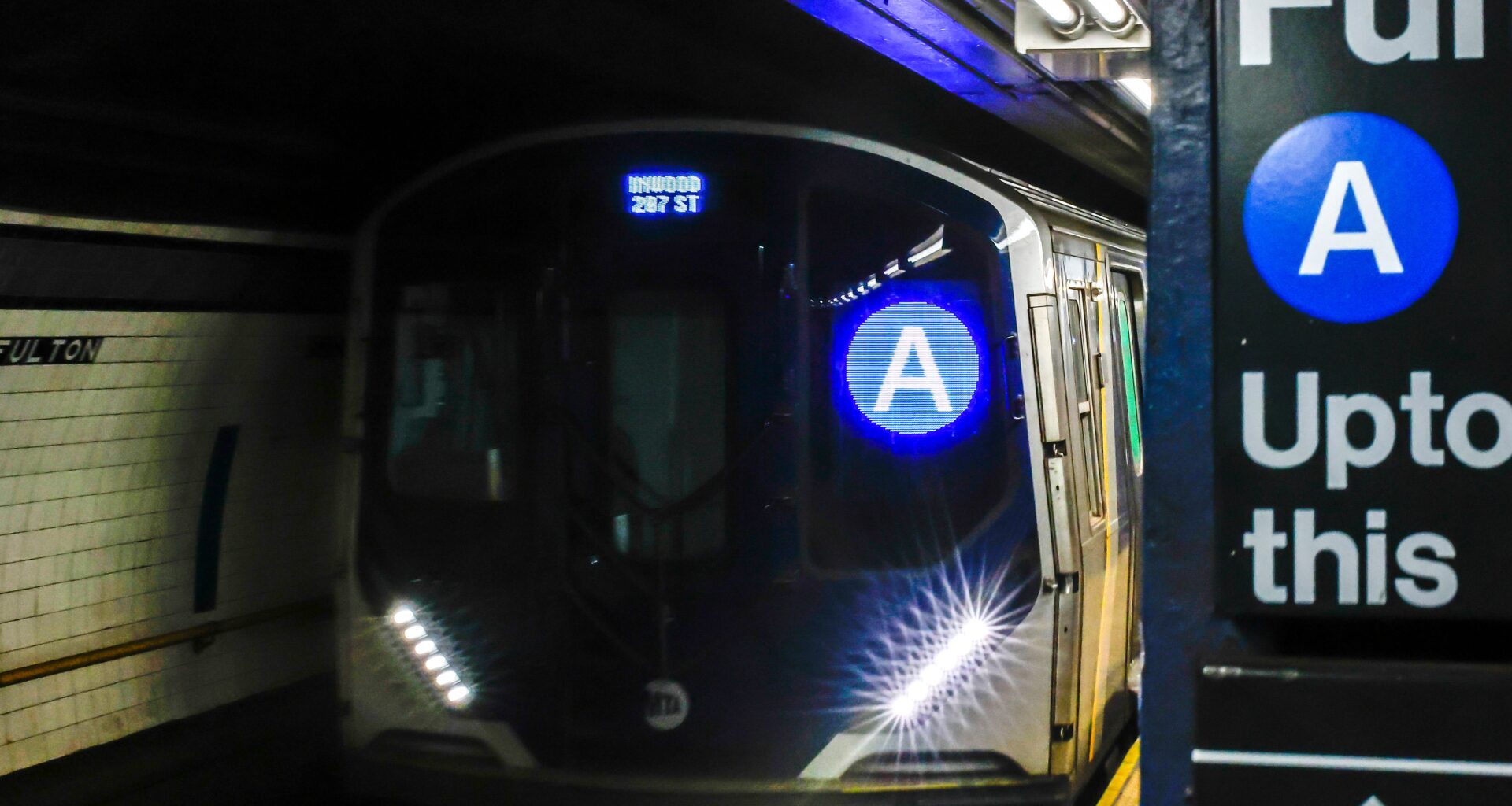
Work is expected to begin Thursday on the largest subway re-signaling project to date, upgrading long stretches of the A and C lines in Brooklyn to modern computerized signaling, Gov. Hochul announced.
The $1.9 billion project will cover 42 miles of track along the Fulton and Liberty lines from the High St. station in Downtown Brooklyn to the Lefferts Blvd. station in South Ozone Park, Queens. An estimated 350,000 straphangers ride on that section of track daily.
The project is one of several capital investments that were earmarked for funding from the proceeds of New York’s congestion tolling program.
“Congestion pricing keeps delivering wins for New Yorkers,” Hochul said in a statement. “Upgrading nearly 100-year old signals does more than just modernize infrastructure that is long overdue, it is a critical part of our plan to run better and more frequent subway service, shortening waits and slashing delays.”
The updated signaling system, known as Communication-based Train Control, or CBTC, will allow the MTA’s rail control center to more precisely monitor train locations — and therefore safely run trains more closely together.
The system — already in place for the L and No. 7 trains and portions of the E, F, M and R lines — will also streamline dispatching, allowing trains to be routed from the MTA’s Midtown rail control center rather than from local control towers throughout the system.
Work is already underway to upgrade the Manhattan portion of the A and C lines to CBTC signals.
The first phase of work on the Liberty and Fulton lines will begin with switch replacements in Queens. The project is expected to be completed by summer 2032.