
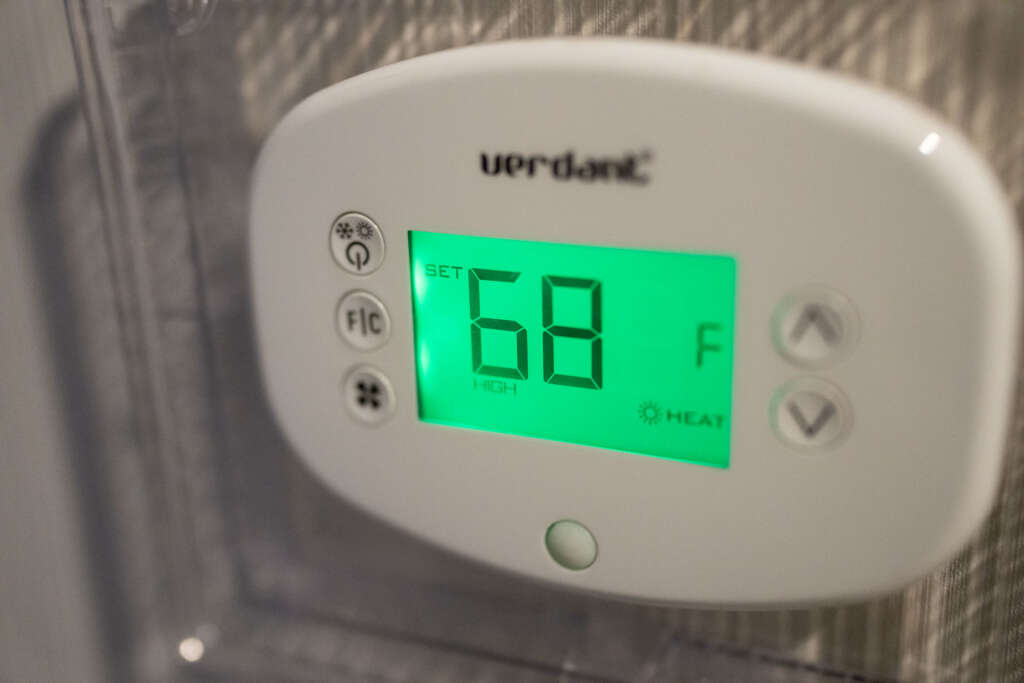
New Yorkers are bracing for higher-than-usual heat bills this winter, as the war in Iran drives up the cost of fuel. Two state programs can help eligible households cover some of those costs.
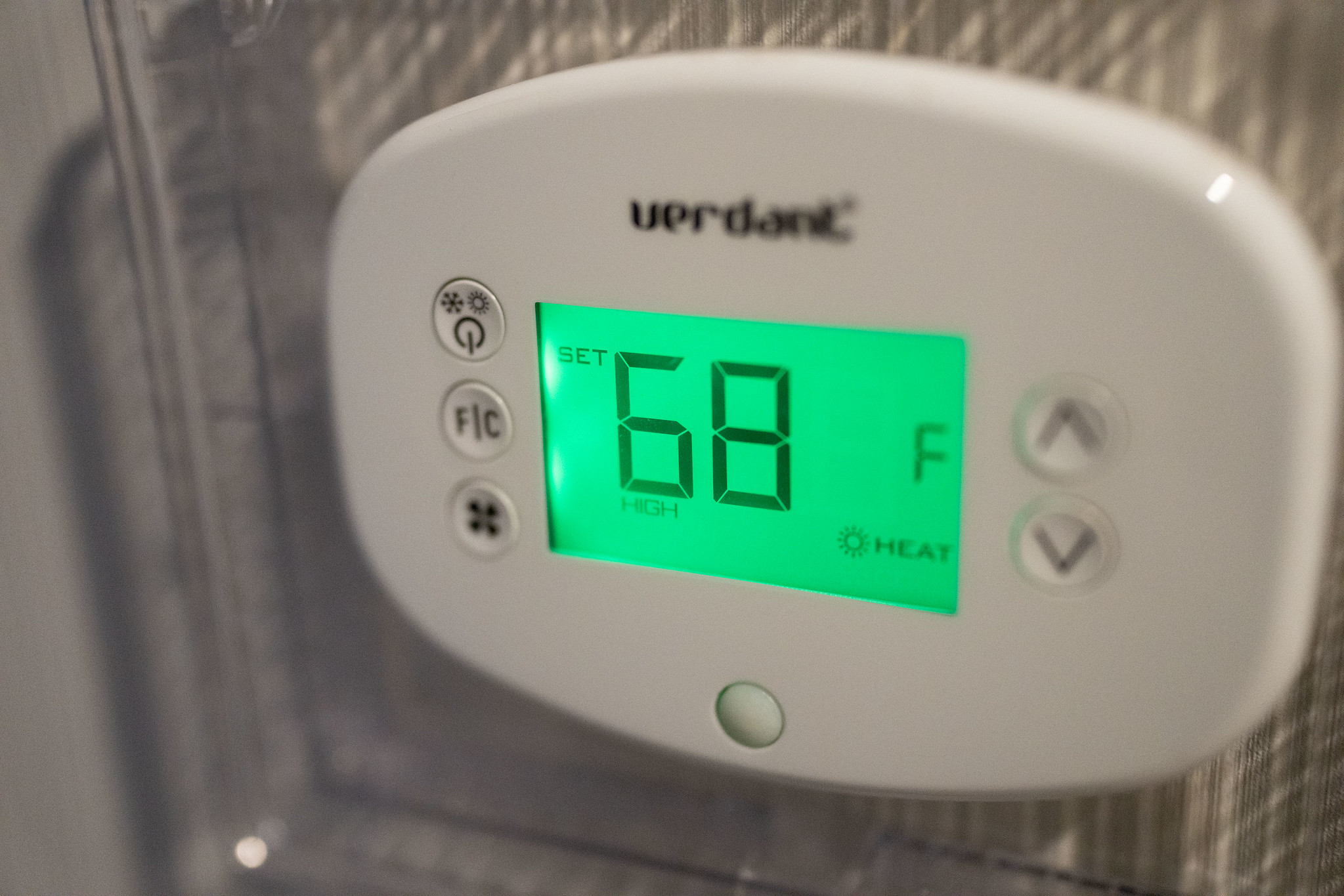 (Michael Appleton/Mayoral Photography Office)
It’s going to be an expensive winter in New York City, with residents bracing for higher-than-usual heating bills as the war in Iran drives up the cost of fuel.
The current price for heating oil in the city is up 69 percent compared to last year, according to the latest state data. Nationwide, energy costs have become an increasing strain on Americans’ budgets: one in five respondents to a recent Consumer Reports survey said they’ve cut back on groceries as a result of rising utility rates.
But two New York programs can help eligible households cover some of those costs. The state’s Home Energy Assistance Program (HEAP), which provides one-time payments toward utility bills or the cost of fuel delivery to New Yorkers who earn below a certain threshold, will start taking applications this season on Nov. 2, officials announced this week.
Meanwhile, more residents will be eligible this year for a separate, monthly discount on their energy bills thanks to a new pilot program.
Here’s what you need to know.
Home Energy Assistance Program (HEAP)
The federally funded HEAP program helps low-income households cover their heating costs in winter and cooling costs in the summer, and also provides emergency aid to households facing electricity and gas shutoffs.
Eligible households can start applying to what’s known as “Regular HEAP,” a once-per-winter payment toward their energy bills, on Nov. 2, Gov. Kathy Hochul’s office announced this week.
New Yorkers who get certain benefits, including SNAP and public assistance, are enrolled automatically in HEAP and will see payments start rolling out next month.
Others can apply directly if they earn below a certain income threshold: an individual earning up to $42,756 can qualify, while a family of four can earn up to $82,224 annually. Find a chart with monthly income limits and other eligibility requirements here.
The amount of aid each household gets depends on several factors: their income, how many people live there, and the type of heating fuel they use. Applicants that pay directly for heat can get extra assistance this winter if they earn at or below 130 percent of the federal poverty level, or if the household includes anyone who is 60 or older, under age 6, or permanently disabled.
More than 1.5 million New Yorkers received HEAP benefits last winter, including 927,691 households in the five boroughs, officials said.
To apply, you’ll need proof of identify and social security numbers for each household member, as well as proof of residency, income and a recent utility bill.
Visit ny.gov/HEAP to learn more.
Energy Affordability Program (EAP) or the Enhanced Energy Affordability Program (EEAP)
New Yorkers who receive a HEAP heating benefit or get Public Assistance are automatically enrolled in the state’s Energy Affordability Program (EAP), which entitles them to fixed, monthly discounts on their utility bills.
Households can also apply for EAP if they receive certain public benefits, including Supplemental Nutrition Assistance Program (SNAP), Medicaid, Veterans’ Disability or Survivors Pension, Supplemental Security Income, Federal Public Housing Assistance and others. A full list of qualifying EAP benefit programs can be found here.
And for the first time this year, New Yorkers can qualify for the discounts even if they don’t participate in one of those public assistance programs. The Enhanced Energy Affordability Program (EEAP) is a two-year pilot intended to reach a broader swath of residents, including moderate income earners.
In New York City, Con Edison and National Grid customers can apply for monthly EEAP discounts as long as they meet the income thresholds; a single person, for instance, can qualify if they earn below $113,400 a year, while a four-person household must bring home no more than $162,000 annually.
The exact discount you receive varies by utility company and what type of energy the household uses, but can be as much as $33 a month in savings on electric bills and up to $135 per month on gas bills, according to the city.
Visit NYEEAP.com to learn more.
To reach the editor, contact [email protected]
Want to republish this story? Find City Limits’ reprint policy here.
Food Distribution Program on Indian Reservations