
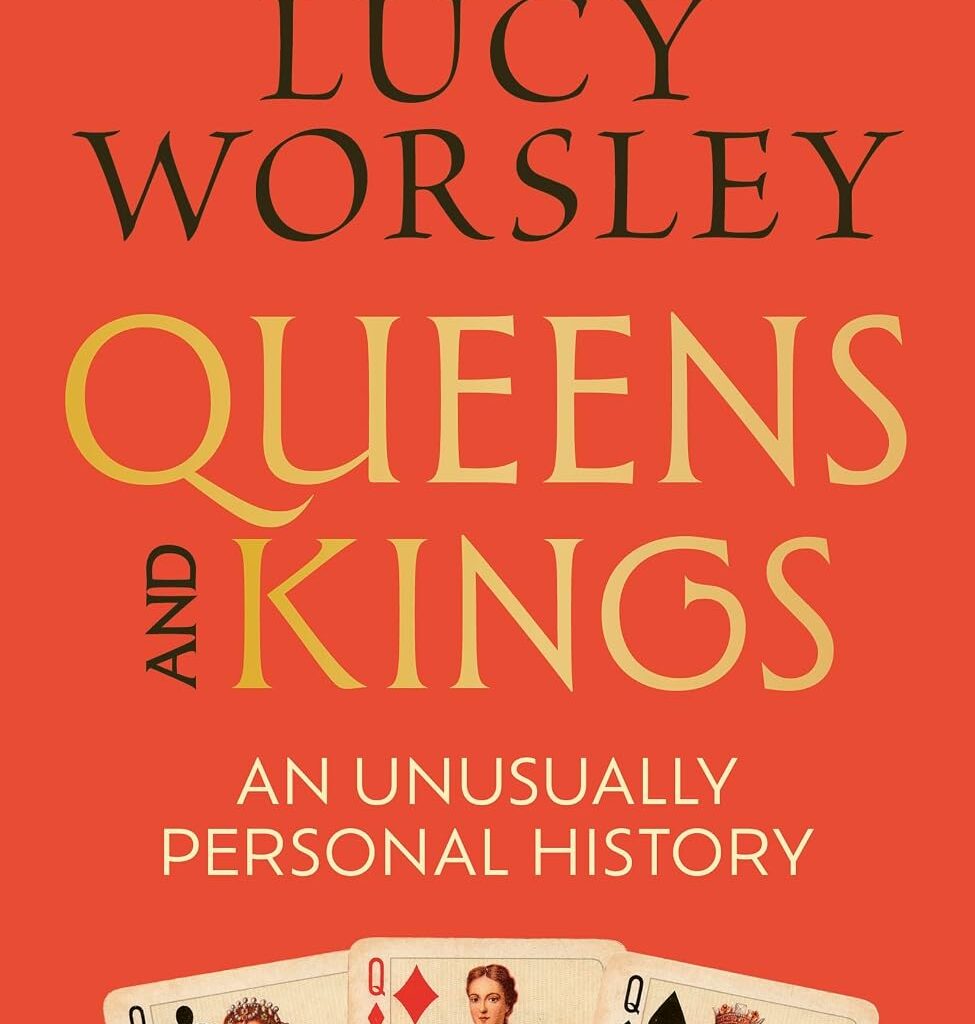
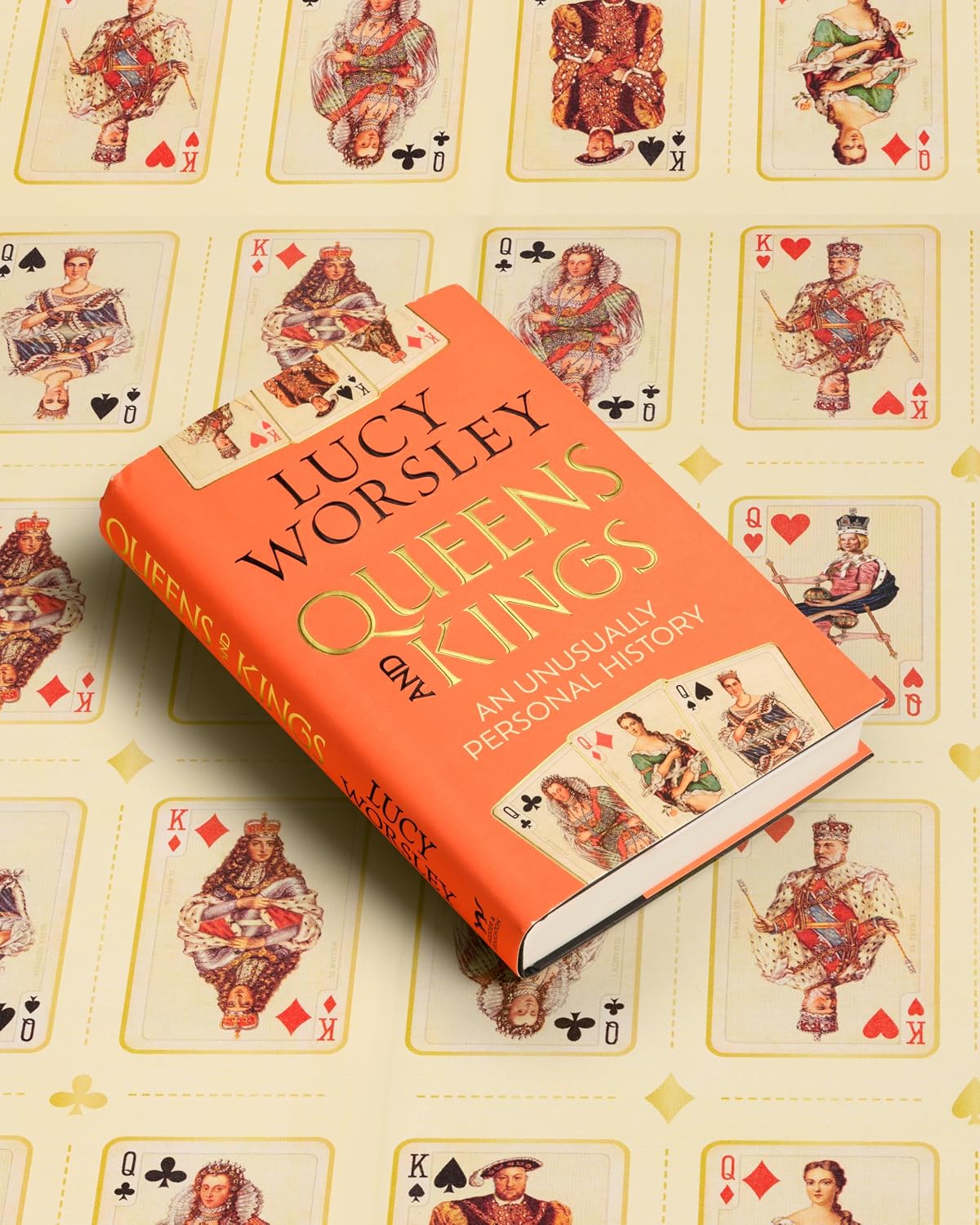
If you’ve been paying attention so far then you will be able to see that we’ve been going through the different parts of Lucy Worsley’s latest book: Queens and Kings. We’ve so far, covered two separate sections on the Tudors and their private lives at both Hampton Court and The Tower of London, now we have moved on to The Stuarts and their time at the two as well. Peppered again with Lucy Worsley’s own personal stories of accidentally taking home the keys to Hampton Court and leaving her own house keys there – only to realise she cannot get into her own house upon arrival. This plus her candid frustration at not liking the alliterative ‘R’ sound in the working title of a TV show make for this section a continuation of the fun and depth that is reflected in the previous two. I am honestly deeply in love with this book. I love it when the writer’s own voice and passion comes through in nonfiction.
She starts by covering the life and times of James I. After Queen Elizabeth I dies, James I becomes the king. But as I covered in my review of Gareth Russell’s masterpiece Queen James, there wasn’t much change in the spending habits of the royal palace – in fact, it probably increased in decadence. This is something Lucy Worsley also seems to cover. The court of King James I is filled with parties and masquerades, love affairs and hedonism. But apart from this it is also filled with a culture of art and literacy. Worsley covers King James’ unpopular (but perhaps correct) opinions on tobacco in which he published a pamphlet stating how horrid it is for the brain and lungs. She also covers the culture of art and literacy which led him in a straight line from the witch hunts in Scotland to the publication of the King James Bible. Honestly, I am completely taken by this book because it is not just a historical account, it is a historical thought process. Lines and dots are connected up and we see an up close and personal image of these royals and their philosophies, integrity and exactly what their political standpoint was – how they changed England and ultimately had to change with it.
 From: Amazon
Away from England though, Lucy Worsley takes us through the personal history of Peter the Great and how he gave his name to his reformed capital of Russia – which some Russians didn’t particularly like that much. This is really where we see Lucy Worsley come out of her own personal shell a bit – which I adore. I do remember watching her TV show on Russian History and the fact that she gives a candid little story about her own speech impediment of not being able to pronounce the letter ‘R’ properly and thus having to suggest that the working title of the show be changed from one that included one too many. I got a good chuckle out of it mainly because after listening to Lucy Worsley speak so much, I had never actually picked up on her speech impediment at all and so, that was something to laugh at myself about. In fact, after reading this, I went straight to YouTube to listen to her speak again and alas, I could not pick up on it. Maybe my ear just isn’t completely tuned to hearing it. I’m not sure. However, it was nice to learn about.
Queen Anne is one of the queens from English history that I think everyone feels sorry for. She tried so hard to have children and then just had one miscarriage after another. When she finally did have a child he eventually died and she must have been crushed. Getting up close and personal with her was actually quite upsetting because no matter what Lucy Worsley was writing about, I could not shake the feeling that the one thing this woman wanted, she never got. She died with a heavy heart, I believe.
As we move through the book and into the fourth section, I can honestly say I am really enjoying myself. Lucy Worsley has gone out of her way to teach us about the way in which these people operated yes, but she has also provided us with a clever little insight into her own life and her own passions – intertwining the past and present and thus, solidifying why learning about the past is so damn important.