
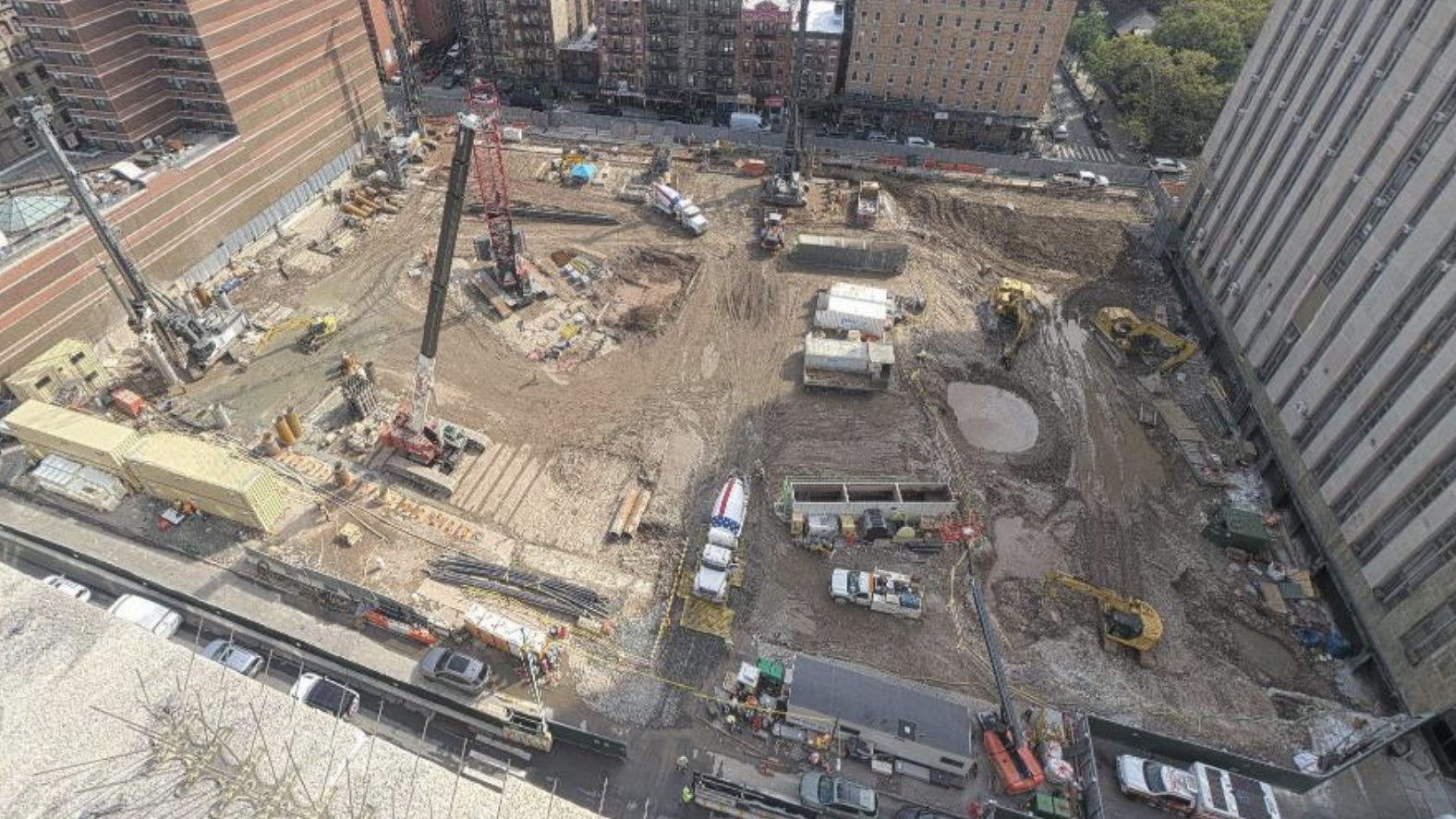
But with overnight construction expected to run for the next 6 years and 7 months, the plaintiffs behind the lawsuit said the city needed to do more to show that nearby residents wouldn’t be adversely affected by it.
“No environmental review was conducted by the city to consider, let alone quantify, the potential environmental impacts arising from this new construction schedule,” the lawsuit read. Since there has been no analysis, quantification, or disclosure of the actual potential environmental impacts arising from this more than doubling of intensity of construction activities over the next 6 years and almost 8 months straight, the city cannot reasonably assert that it knows whether these measures will actually be effective, or even partially effective, in providing any of the protection that they purport to provide.”
Some claimed the first two weeks of the new schedule were already impacting their quality of life.
Betty Lee, a 78-year-old who lives with her 82-year-old husband across the street from the construction site, said many of the disruptions they have experienced during the daytime hours over the past two years have bled into what used to be their only hours of peace.
“So now, there is bright lighting, essentially creating daylight conditions, and there is constant loud noise from two drills and other heavy excavation machinery placed directly across from our window,” Lee, a plaintiff in the lawsuit, said in a court filing. “Even with the windows closed and our shades drawn, we have been unable to rest and sleep.”
The city first presented the plan for extended construction hours in early October, during a community working group meeting. To mitigate the effects of the construction, the city said it would wrap the site’s perimeter fence in “noise-attenuating blankets,” put additional noise barriers near drilling equipment, and regularly measure noise levels.
The city will likely be unable to close Rikers Island until a significant portion of the borough-based jails are completed.
The Brooklyn jail is expected to open in 2029, while both the Queens and Bronx facilities are expected to be completed by 2031. The Manhattan jail will open in 2032 if after-hours construction work is allowed to continue, according to the city.
With the city unable to meet the 2027 closure deadline, the City Council is currently drafting a bill to extend the deadline and potentially create a new one, the Eagle exclusively reported in September.
The Mamdani administration was required by law to produce a public report on its plan to close Rikers by May 2026. It missed the deadline and has yet to present the report.
The mayor’s office did not respond to questions about the status of the report on Tuesday.