
The New York Council pushed the Mamdani administration for a real plan to reduce the number of young people in juvenile detention at an oversight hearing on Tuesday amid overcrowding and safety concerns.
At the end of last week, there were 352 youth in custody, including nearly 110 young detainees every night who are not assigned beds, according to the Administration for Children’s Services, the agency that operates the city’s two detention centers. ACS Commissioner Rebecca Jones Gaston acknowledged that means some young people are sleeping in common areas, classrooms and chapels.
“We have more young people than bedrooms,” said Jones Gaston, who later in the hearing called the juvenile detention census her “focus” since she started as commissioner this year.
The hearing came after the Mamdani administration announced new investments in the city’s juvenile justice system in a press release last month, but largely did not share timelines, capacity figures or funding levels.
Some of those details were shared during the hearing in response to the Council’s questions. While some members appeared open to the ideas, others — including Councilwoman Althea Stevens (D-Bronx), who chairs the children and youth committee — insisted the time for incremental reforms has passed.
“Is this not a crisis that we have so many young people in secure detention? Because it doesn’t feel that way,” Stevens said. The committee chairperson called on the Mamdani administration to embark on a concerted effort — including city agencies, courts, defendants and prosecutors — to come together and quickly identify young people who could go home safely, as was done during the COVID-19 pandemic.
“This isn’t new. When the administration came in, this was happening,” Stevens added. “I’m frustrated because I’m sitting here, and we’re talking about plans that we’re implementing now, when this has not been a priority since January — as it should have been.”
Since the pandemic upended lives and state reforms that raised the age of detainees in juvenile facilities, the number of young people admitted to detention has increased — along with their ages, lengths of stay and severity of charges. Meanwhile, the overcrowding has pushed the facilities to the brink.
Stevens led a gro
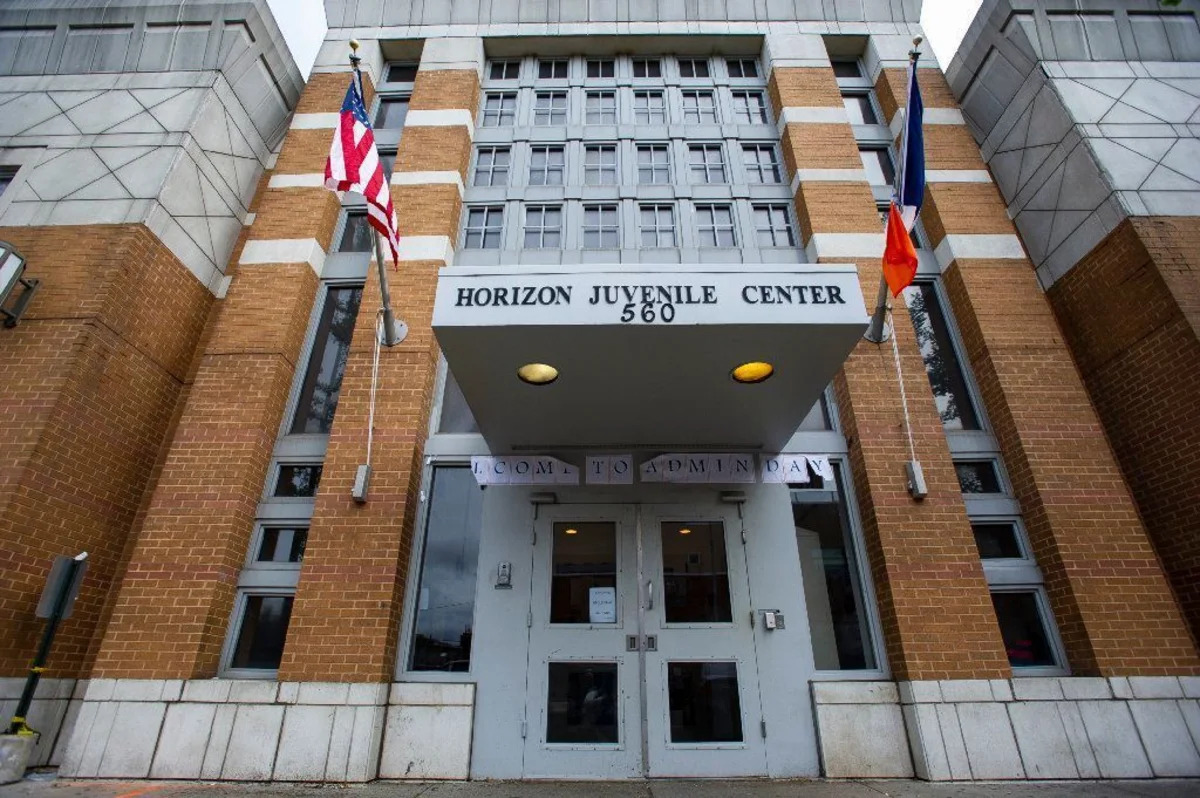
up of Council members to tour the Bronx facility, Horizon Juvenile Center, last month to view the conditions for themselves. The city’s other juvenile detention center, Crossroads, is located in Brooklyn.
“It’s not just who gets sent to you and dealing with it,” Councilman Lincoln Restler (D-Brooklyn) said of the number of detainees. “It’s taking the leadership that the conditions are unacceptable — we cannot have people sleeping in classrooms on chairs — that we have to do better.”
“I really hope that the Mamdani administration will hold itself accountable to these numbers, and that we’re going to be monitoring that census every single day, and how we can safely drive it down and provide opportunities that are much better alternatives.”
Adding that overcrowding is cutting down on programming hours, too, Restler said, “I am concerned that, as a result of the lack of common facilities space, the kids are spending hours and hours every day with nothing to do.”
ACS officials, meanwhile, testified about students continuing to learn, for example, by developing workforce skills, such as electrical and HVAC in the gym, and painting and spackling in the halls.
The Mamdani administration’s investments include the expansion of non-secure detention and “alternative to detention” programs, and new funding for home-based programs that currently have lengthy waitlists. The city’s Department of Probation is also launching a new “intensive community monitoring program” to allow young people to remain at home under supervision during the court process.
For youth who must be detained, Jones Gaston said in the press release, ACS is also “renovating our existing facilities, enhancing security measures, onboarding additional staff members, developing updated staff training, and increasing youth educational opportunities (and) workforce development.” That includes the hiring of 56 more youth development specialists and 85 “emergency response” staff members, plus the purchase of new scanners and cameras to block contraband from entering the facilities.
To address the overcrowding, an annex at Horizon, scheduled for 2029 completion, has been moved up to open next year. And as young people sleep in classrooms, two temporary classroom units at Crossroads are expected to start welcoming students in the “next few weeks,” Jones Gaston said at the hearing.
Outside of the justice system, the city is investing in prevention programs and re-entry services through taxpayer-funded nonprofit organizations, according to the press release.
Jones Gaston defended the administration’s response as “needed in order to not just kind of instantly reduce census, but also (create) a sustainable change.”
While the Mamdani administration faces political pressure to act, the city is also up against renewed constraints from the state. For years, the city received a waiver that allowed ACS to circumvent state law requiring all young people in detention to have their own secure bedroom. Over the summer, though, New York’s Office of Children and Family Services declined to extend that waiver.
“The numbers remain the same, the conditions remain the same, and the outcomes are not as great as people expected,” said Councilwoman Rita Joseph (D-Brooklyn). “If you put out a plan, you have to execute the plan. You cannot let the plan just sit there and say, ‘We have a plan. But why isn’t the plan working?'”
“So I think tonight,” Joseph continued, “as a team, you probably have to go and sit around the table and figure this out for young people.”