
Home » CRUISE NEWS » NYCEDC Unveils its Bold New Master Plan for Manhattan Cruise Terminal, Enhancing Capacity and Public Access to Boost Cruise Tourism
Published on
November 14, 2025

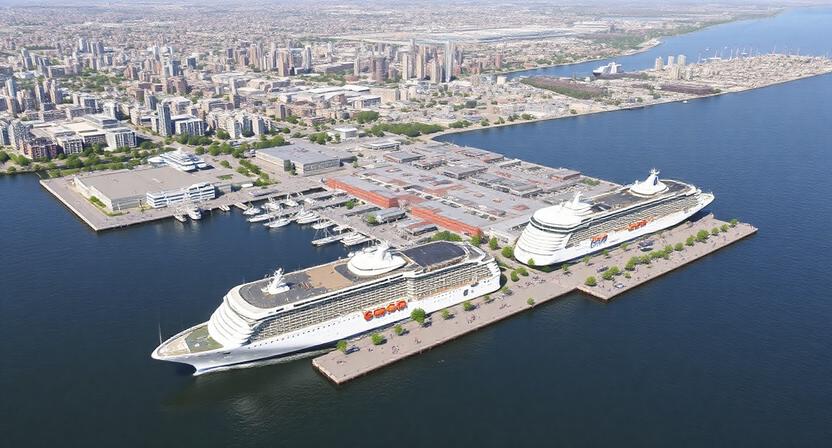
The New York City Economic Development Corporation unveiled a bold Master Plan for the modernization and redevelopment of the Manhattan Cruise Terminal. This will, in fact, be a far-reaching transformation to make New York more competitive as an international cruise tourism destination by replacing outdated infrastructure with modernized piers, a streamlined terminal, and sustainable technology while New York remains one of the leading cruise tourism destinations.
Enhancing New York’s Position as a Leading Global Cruise Hub
The new Manhattan Cruise Terminal Master Plan seeks to accommodate the growing size of cruise vessels and the increasing demand from cruise lines for state-of-the-art facilities. The modernized terminal will be able to handle up to two 8,000-passenger ships and one 6,000-passenger ship simultaneously, catering to the needs of larger cruise ships that are becoming the industry standard. This new infrastructure will not only support the existing cruise fleet but also position New York City to handle the next generation of cruise vessels, ensuring that the city continues to be an attractive port of call for both luxury liners and mega ships.
The expansion is crucial for maintaining New York City’s status as one of the world’s leading cruise tourism destinations. In 2024, the Manhattan and Brooklyn Cruise Terminals together welcomed upwards of 1.5 million passengers, and the updated facilities at MCT are expected to accommodate even more tourists in the coming years. By making the terminal more efficient and future-proof, the project will help drive growth in the cruise tourism sector—increasing passenger arrivals and economic output from the cruise industry.
Sustainable Infrastructure: A Greener Future for Cruise Tourism
The Master Plan places significant emphasis on sustainability, with the inclusion of shore power infrastructure at MCT. This development will allow cruise ships and harbor vessels, such as tugs, to connect to New York City’s electric grid while docked, eliminating the need for these vessels to run their diesel engines and thus reducing harmful emissions. The addition of shore power is vital for improving air quality around the terminal, directly aligning with the growing demand from the cruise industry for eco-friendly ports.
By incorporating electrification technologies into the design, the port will reduce the environmental footprint of cruise tourism in the city. The move to electrify harbor vessels—including tugs transitioning to hybrid and electric propulsion—is a crucial step toward New York becoming a leader in sustainable cruise tourism. This greener infrastructure will not only appeal to environmentally conscious travelers but also align with the broader goals of the international cruise industry, which is increasingly focused on reducing emissions and achieving sustainability goals.
Moreover, the plan includes the integration of a multimodal hub that will encourage sustainable freight delivery, reducing reliance on trucks and offering zero-emission last-mile delivery for goods. This will help lower congestion in the city, benefitting both cruise tourism and the local community, as well as enhancing the port’s capacity to handle increased traffic as cruise tourism grows.
Boosting Economic Impact and Strengthening the Local Cruise Tourism Ecosystem
The revitalization of MCT is expected to strengthen New York’s economic position within the global cruise tourism market. Cruise tourism contributes significantly to local economies through spending on excursions, shopping, restaurants, and local services. By accommodating larger vessels and more passengers, Manhattan Cruise Terminal will continue to drive tax revenue and economic benefits, not only for New York City but also for surrounding businesses and regions.
The increase in passenger capacity directly correlates with a rise in economic impact, as passengers spend on hotels, restaurants, and retail businesses throughout the city. Local operators, especially in the hospitality and tourism sectors, stand to benefit from the increase in cruise tourism traffic, creating jobs and stimulating economic growth in Manhattan and surrounding neighborhoods.
The shore power initiative, which will reduce operational costs for cruise lines by eliminating the need to use fuel for ships at port, will also encourage more cruise lines to choose New York as a port of departure or arrival. Additionally, the environmental upgrades at MCT are expected to attract eco-conscious travelers, a growing segment of the global cruise market that prioritizes sustainable travel options.
Improving Public Access and Enhancing the Local Experience
While the modernization of the Manhattan Cruise Terminal primarily targets the cruise tourism sector, it will also have a positive impact on the local community. The inclusion of public access enhancements to the terminal will allow locals to enjoy the waterfront, which has long been disconnected from the city. The revitalization will create more green spaces and pedestrian-friendly zones, making it easier for both locals and tourists to access the Hudson River Park and enjoy the views of the Hudson River.
The addition of a ferry stop as part of the multimodal hub will also expand transportation options for both residents and visitors, allowing greater accessibility to the terminal and downtown Manhattan. This is expected to reduce traffic congestion and improve the overall transportation network, making it easier for both cruise passengers and locals to move around the city.
A Bold Vision for the Future of Cruise Tourism in New York City
The redevelopment of the Manhattan Cruise Terminal will have a lasting impact on New York City’s cruise tourism industry, allowing it to remain one of the most popular global destinations for cruise travel. In addition, NYCEDC addresses important capacity issues, sustainability goals, and community access, so the terminal is equipped to handle the growing demand of the cruise industry while it continues to act as an integral part of New York City’s tourism ecosystem. As the global cruise industry continues to evolve, New York is positioning itself as an innovative and sustainable leader-ready to take modern cruising into the future and benefit both its local economy and environment.
