
Illustration by Eleanor shakespeare
It’s hard to imagine Agatha Christie coming back as a ghost (supernatural interventions, in her novels, prove to be red herrings) but if she did, she’d be pleased: 50 years after her death, brand Christie is booming. Her books sold more than 200,000 copies in the UK last year. A Christmas staple as reliable as Quality Street, she is a nostalgic shorthand for a lost world of luxury train travel and afternoon tea at the vicarage. Spin-offs abound: a biopic is in the pipeline, plus a BBC series, Hercule (seemingly based on the courageous premise: what if Poirot was young and hot?). A British Library exhibition now invites visitors to peer reverently at relics like a chemistry textbook once owned by the “Queen of Crime”.
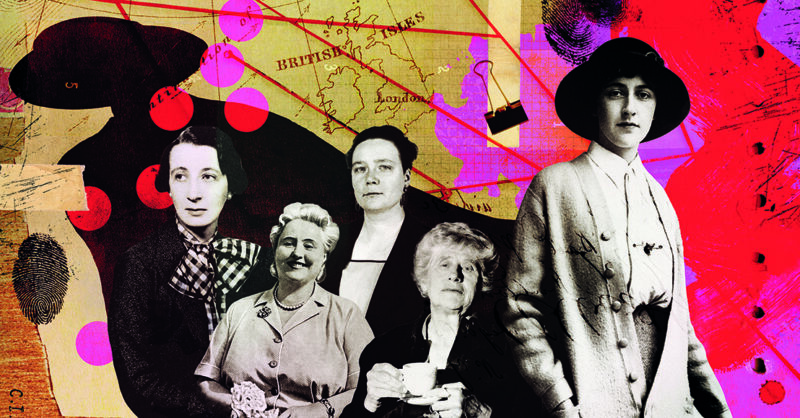
Except, there wasn’t one crime queen: there were five. The Christie myth – that a cheerful-looking woman in cat-eye spectacles reinvigorated the puzzle-cracking pleasures of detective fiction in interwar Britain, kicking off a golden age – is a mangling of literary history. Her influence on the genre was profound, and her afterlife indomitable, but like the killer on the Orient Express, she did not act alone. Christie sprouted from – as much as she helped to shape – a dazzling generation of British female crime writers. Too often these days, the rest disappear into her dense, overpowering shadow.

Subscribe to the New Statesman and save 40% for 1 year!
Content from our partners
This article appears in the 28 Oct 2026 issue of the New Statesman, Bin the Budget