
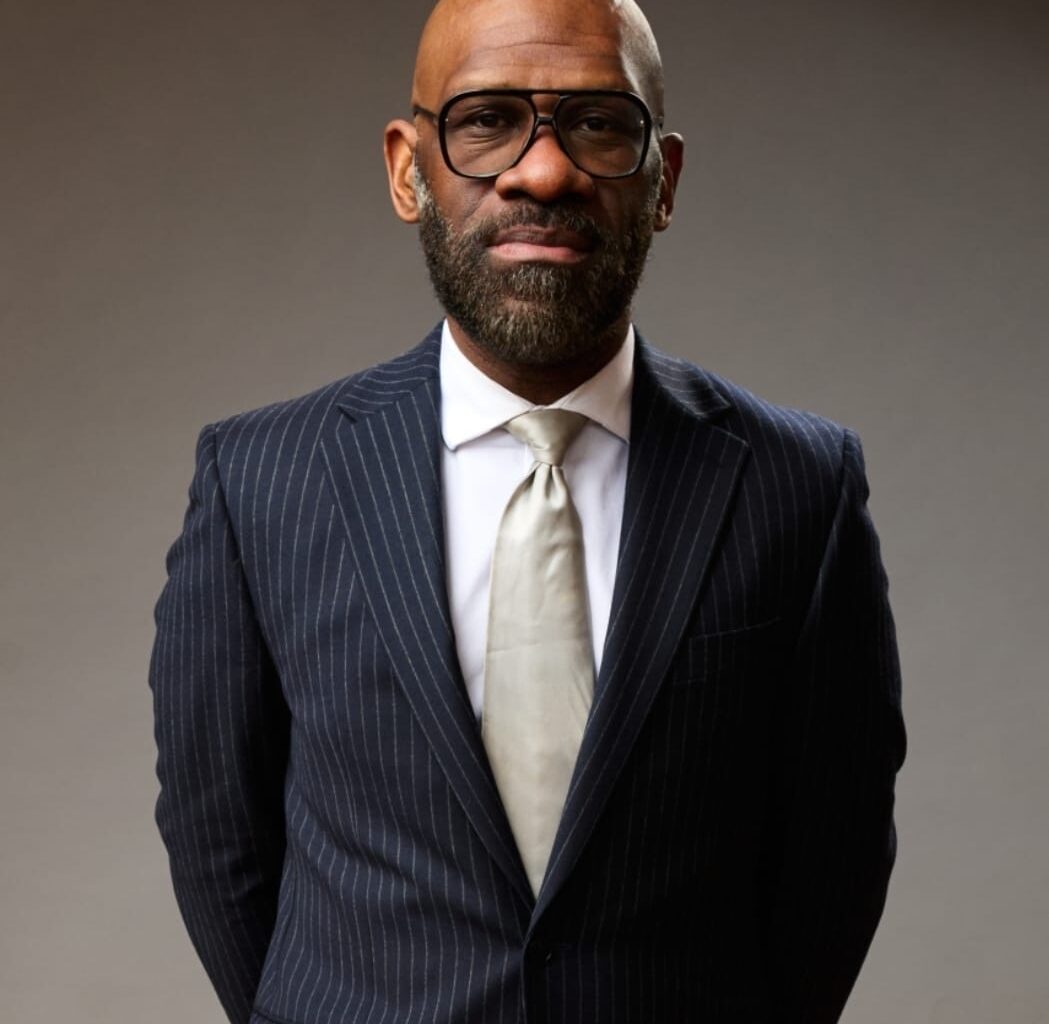
Winston Peters, president of the Bronx Economic Development Corporation (BXEDC), is focused on expanding opportunities for small businesses and entrepreneurs while strengthening the partnerships that support the Bronx’s economic growth. Drawing on his professional experience and Vincentian heritage, Peters believes that access to capital, collaboration and community engagement are essential to building a stronger local economy.
In an interview with Carib News, Peters outlined his vision for helping Bronx-based businesses expand, connecting institutions and entrepreneurs, and making greater use of the borough’s transportation infrastructure and cultural attractions to stimulate economic activity.
“For me, it’s really important to provide those resources and provide that capital, so that they can grow and scale and grow from local to global,” Peters said, referring to the needs of small businesses, entrepreneurs and solo founders.
He also emphasized the importance of bringing together groups that often operate independently, including higher education institutions, cultural organizations, established business owners and emerging entrepreneurs.
“I want to make sure we break down the silos so that there is more conversation and more collaboration between all of these different stakeholders in the Bronx,” he said. His goal, he explained, is to get stakeholders talking, understanding one another’s needs and working together to develop solutions that create meaningful impact.
Peters’ professional journey has helped shape this approach. After earning a civil engineering degree from Manhattan College, now Manhattan University, he worked in the engineering industry before moving into business consultancy. Through MyÜberLife Consulting Group, he spent more than a decade helping businesses, creative professionals and nonprofit organizations develop strategies and strengthen their operations.
His consultancy work revealed a recurring challenge among entrepreneurs: having a product or service that sells does not necessarily mean understanding how to operate and grow a sustainable business.
“Just because you can sell something doesn’t mean that you actually understand business and business systems,” Peters observed. “It just means you’re a good merchant.”
That realization helped draw him back into higher education, where he became involved in teaching business and marketing and developing entrepreneurship initiatives. His work with students and entrepreneurs reinforced his belief that business success requires more than a good idea; it also requires knowledge, sound systems and access to the resources needed to grow.
Peters later joined the BXEDC board, serving as treasurer before being asked to assume the role of interim president. He became permanent president in April, bringing together his experience in business consulting, education and community engagement.
Reflecting on the opportunity, Peters described the challenge as a welcome one. “This is a welcome challenge, and what really is more of a welcome opportunity to really make a real impact here in the Bronx in terms of economic development,” he said.
Looking ahead, he sees transportation improvements as an important contributor to the borough’s economic potential. Peters highlighted four planned Metro-North stations in the Bronx, particularly the proposed Hunts Point station, which he said could reduce travel time to Penn Station from approximately one hour to 15 minutes.
He believes improved connectivity could make Hunts Point and other Bronx neighborhoods more attractive to businesses considering relocation or expansion. He also pointed to the South Bronx’s potential to become a technology hub for New York City, with infrastructure improvements helping to support new investment and business opportunities.
Culture and tourism also feature prominently in his vision. Through the BXEDC’s connection with the Bronx Tourism Council, Peters sees cultural institutions and attractions as important contributors to the borough’s economy. While Yankee Stadium already attracts large numbers of visitors, he stressed that the Bronx has many other assets, including the New York Botanical Garden, the Bronx Children’s Museum, the planned Hip Hop Museum and the Paradise Theater.
For Peters, the economic value of these attractions extends beyond the venues themselves. Visitors can generate business for nearby restaurants, shops and other enterprises, while supporting employment and activity in surrounding neighborhoods.
He pointed to the Paradise Theater’s anticipated return as a major music venue, noting that its planned 4,000-seat capacity could have an impact on adjacent businesses. “That’s real economic impact. That’s job creation,” he said.
Peters believes that connecting transportation improvements with cultural attractions and local businesses can help the borough maximize these opportunities and spread the benefits of development more widely.
His commitment to community is also rooted in his Vincentian heritage. Peters spoke proudly of his family’s ties to Saint Vincent and the Grenadines, crediting his parents’ experiences as immigrants to the United States with helping shape his outlook.
He recalled watching his parents and other members of the Caribbean community navigate unfamiliar circumstances and find ways forward, even when resources were limited.
“They figured it out,” he said of his parents and relatives. “And so I always saw my parents figure out as well as family members who are here, and then family friends who are here. They figured it out, and so that kind of became part of my DNA.”
The example taught him perseverance and resourcefulness, but it also reinforced the importance of community and supporting others. Peters explained that his Vincentian background helped him appreciate the value of bringing people together and building relationships across different groups.
That philosophy informs the advice he offers to his contemporaries and the next generation. Rather than viewing networking simply as a way to make contacts, he encourages people to build relationships that create opportunities for mutual learning and meaningful contributions.
“How can we build relationships and diverse relationships, and build those relationships to create impact?” he asked.
Peters also urged young people to look beyond what they can gain from others and consider how they can be of service. “It’s always about community and being able to support one another as well,” he said, reflecting on the values instilled in him by his parents.
For Peters, service is central to leadership. Describing his responsibilities to his team, he said, “My whole role, regardless of the title, is to be in service of my team.” He explained that his responsibility is to anticipate challenges, look ahead and remove obstacles so that others can succeed.
That same principle underpins his approach to leading the BXEDC and supporting the Bronx’s business community. By expanding access to capital, encouraging collaboration and connecting existing resources with new opportunities, he hopes to help entrepreneurs build sustainable businesses and contribute to the borough’s long-term development.
Peters’ vision brings together economic opportunity, education, infrastructure, tourism and community engagement. Yet his message extends beyond business strategy. His professional mission is closely connected to the values he learned growing up in a Vincentian family: perseverance, cooperation and service.
As he works to strengthen the Bronx’s economic future, Peters believes progress depends on people and institutions working together, building meaningful relationships and finding practical solutions to shared challenges.