
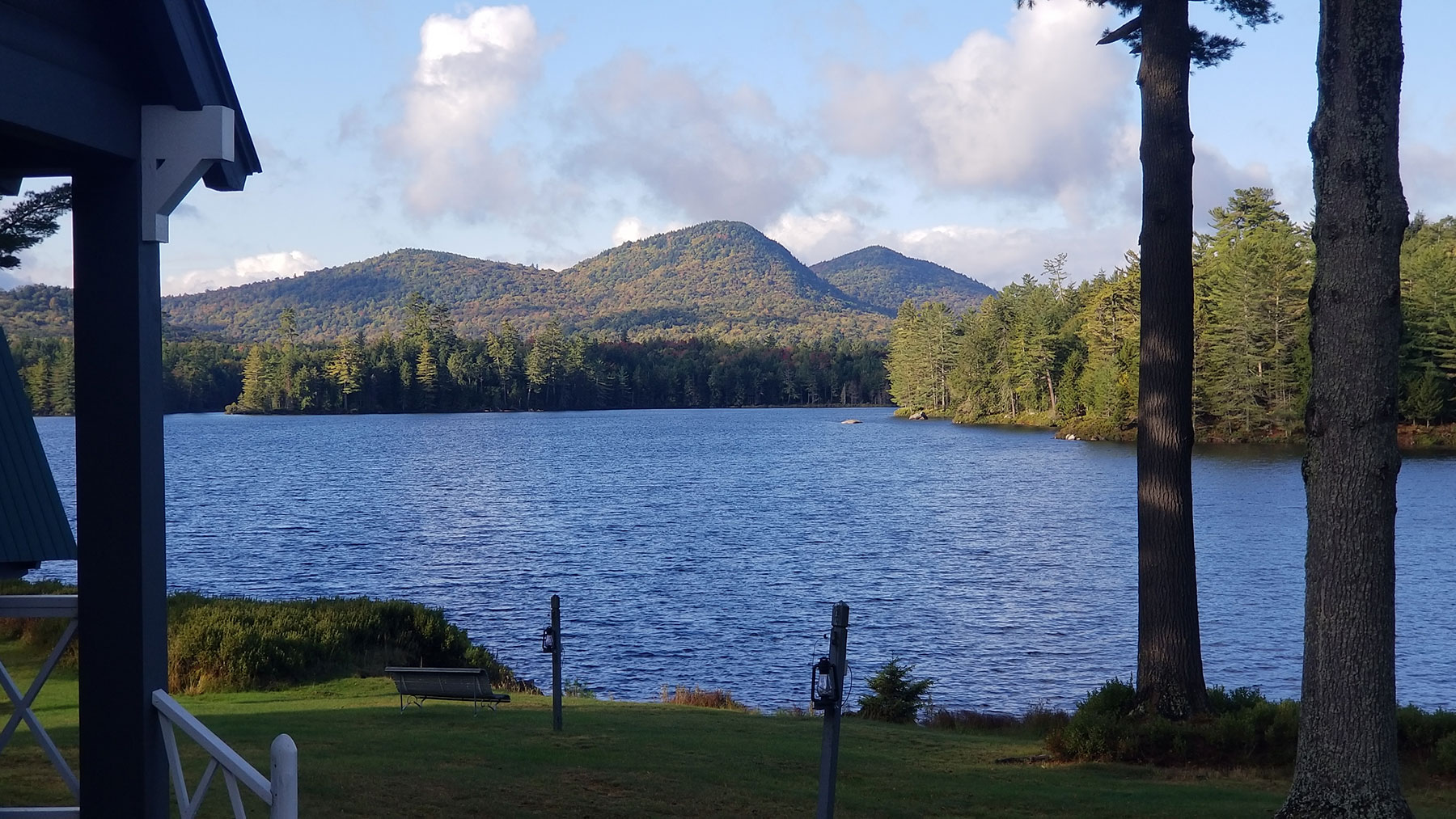
The sale of the 36,600-acre Whitney Park estate in the Adirondacks to Texas developer Todd Interests has failed after six months. The $125 million deal collapsed due to restrictions preventing state ownership of any of the land.
A final compromise—a 200-year lease of 32,000 acres to the state—was proposed to bypass the estate terms of the late John Hendrickson, who had opposed state ownership due to poor stewardship of a previous land sale (citing the eradication of native trout from Little Tupper Lake). However, according to Todd Interests, Gov. Kathy Hochul’s administration rejected the lease option.
“The one clear plan that we could execute on with our seller’s consent, was a 200-year lease to the state of New York,” said Shawn Todd, chairman of Todd Interests, in a statement to Adirondack Explorer. “In contrast, the state wants solely to acquire the 32,000 acres of land from us upon our acquisition, which is something we are willing to do but do not have the capability of doing so, absent relief from our seller. To that end, this seems to be an unsolvable challenge.”
Edward Hendrickson, brother of John Hendrickson and a trustee of his estate, said he was informed Thursday that Todd Interests decided to withdraw its offer to purchase Whitney Park. It is now available again at $125 million.
A few weeks ago, Todd Interests also abandoned its option to buy the Cady Hill mansion, the Saratoga Springs residence of John Hendrickson and his late wife Marylou Whitney, for $12.9 million. At the time, Todd said his company’s pursuit of Whitney Park was unchanged.
Vital news and information for everyone: As a nonprofit, we rely on support from readers to make this reporting available to all. Your help makes it possible. DONATE TODAY AND DOUBLE YOUR IMPACT, thanks to a year-end match of each dollar given.
In its contract to purchase Whitney Park, which is larger than the borough of Manhattan, Todd Interests went along with the seller’s wishes to agree not to sell the property to the state. He assumed that some of the property might be ripe for a conservation easement, but nonprofits that might enter into such an easement would likely end up selling the easement to the state. The state appeared to Todd Interests to be the only viable option for him to consummate his purchase deal.
The goal of the trustees, Hendrickson said, continues to be maximizing net proceeds on the sale of Whitney Park. They will all go to the town of Long Lake according to his brother’s wishes. That represents a windfall for a town of less than 800 residents and a budget in the $4 million range.
Also, the trustees want to make sure that environmental stewardship of the land continues and that John’s wishes are followed, meaning that the state cannot purchase the property, even at auction.
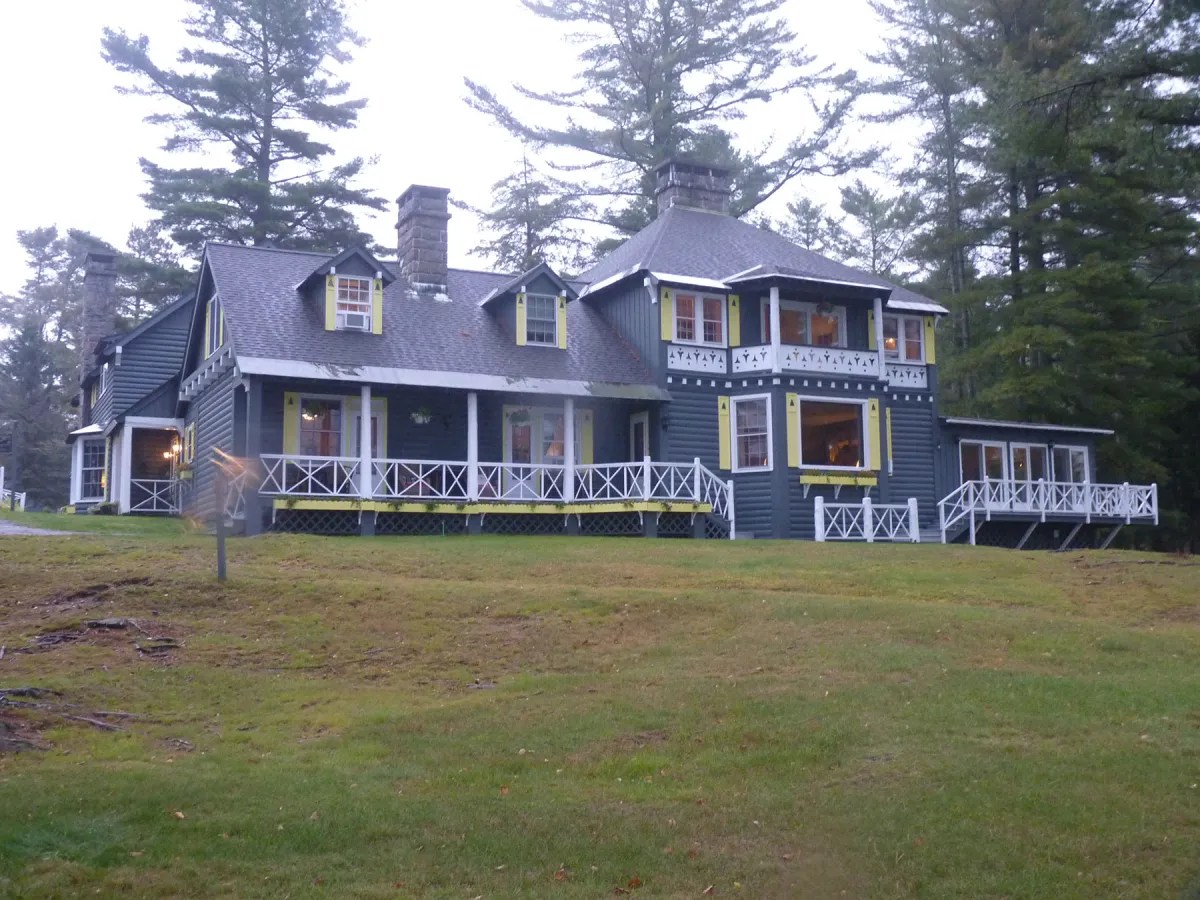 The Deerlands camp, part of the 36,600-acre Whitney Park estate. Photo provided by Timothy Lake
Hendrickson said the trustees “look forward to discussions with potential buyers who share the trust’s commitment to honoring Whitney Park’s remarkable history, natural beauty, and enduring legacy—values that meant so much to John. In keeping with his wishes, the trust’s priorities remain ensuring that this extraordinary property is responsibly cared for in perpetuity.”
According to a letter from the trustees’ lawyer to Hochul on Nov. 5, the lease offer seemed to be an idea that could work. The lawyer, Edward E. McNally, said the long-term, renewable lease could solve the predicament.
”However, there are reports that certain private environmental activists may potentially prefer that the state take full ownership of Whitney Park, rather than lease it, even if the lease terms are designed to conserve and protect the natural wilderness of Whitney Park for hundreds of years with similar rights and protections, ad infinitum, for the state,” he wrote.
Todd had discussions with leaders of groups, including Claudia Braymer, executive director of Protect the Adirondacks, and Rocci Aquirre, executive director of the Adirondack Council. He found out that a lease option on property was disfavored by them.
“Rocci made it plain that long-term environmental protection meant state or nonprofit ownership, not a rental, “ said John Sheehan, spokesperson for the Adirondack Council.
McNally expressed to Hochul that “a lease would satisfy virtually all parties,” adding “you as governor will have successfully orchestrated New York state’s long-term control and stewardship of the majority of Whitney Park. The majority of Whitney Park would remain protected wilderness. The vast majority of recreation, environmental and conservation interests would be satisfied. The town of Long Lake would receive the net proceeds and begin enjoying this wonderful gift. And this could all be accomplished within the bounds of John’s legally binding estate plan and directives.”
A spokesperson for Hochul had no comment.
As a nonprofit, we rely on the support of readers like you.
Join the community of people helping to power our independent, Adirondack-focused reporting.
Braymer, of Protect the Adirondacks, said the sum the state would pay to lease the property would be the same as if it purchased the land. But, she said, leased property would not be added to the Adirondack Forest Preserve. Forest preserve property must be kept forever wild. She said a lease is not ideal but “if this is the best they (the state) can get, we would understand this is better than nothing.”
McNally’s letter to Hochul was a response to her letter to the trustees on Oct. 10 in which she emphasized the state’s desire to find a way to acquire 32,000 acres. The trustees sought a chance to meet with Hochul privately.
Todd Interests informed Hochul Nov. 7 that it was eager to meet to discuss options but that the sellers had not set up a meeting that would include Todd Interests. A lawyer for Todd Interests said that the company had recently found out that the restriction on selling to the state is only borne by the trustees, not subsequent owners. The lawyer, Matthew Parrott, had urged the trustees to agree to a three-party meeting by Nov. 11. Hendrickson said Parrott’s interpretation is incorrect.
“We worked very, very hard to make this work,” he said. “Tried to be as creative as possible…just weren’t able to get there.”
Todd Interests envisioned building a destination resort at Whitney Park, including a hotel, golf course and ski hill, and expected it would be attractive to high-end visitors seeking relief from the stresses of urban life.
Besides the Whitney Park property, the trustees are also trying to sell Camp on a Point on Little Tupper Lake, a 58-acre summer residence which is available for just under $4 million.
The bigger Whitney Park has long been a priority for purchase for the forest preserve.
Protect the Adirondacks catalogued 6,339 acres of ponds and lakes and 4,772 acres of wetlands on the property.
The remote tract also holds historic Camp Deerlands with 17 bedrooms and 11 bathrooms.