
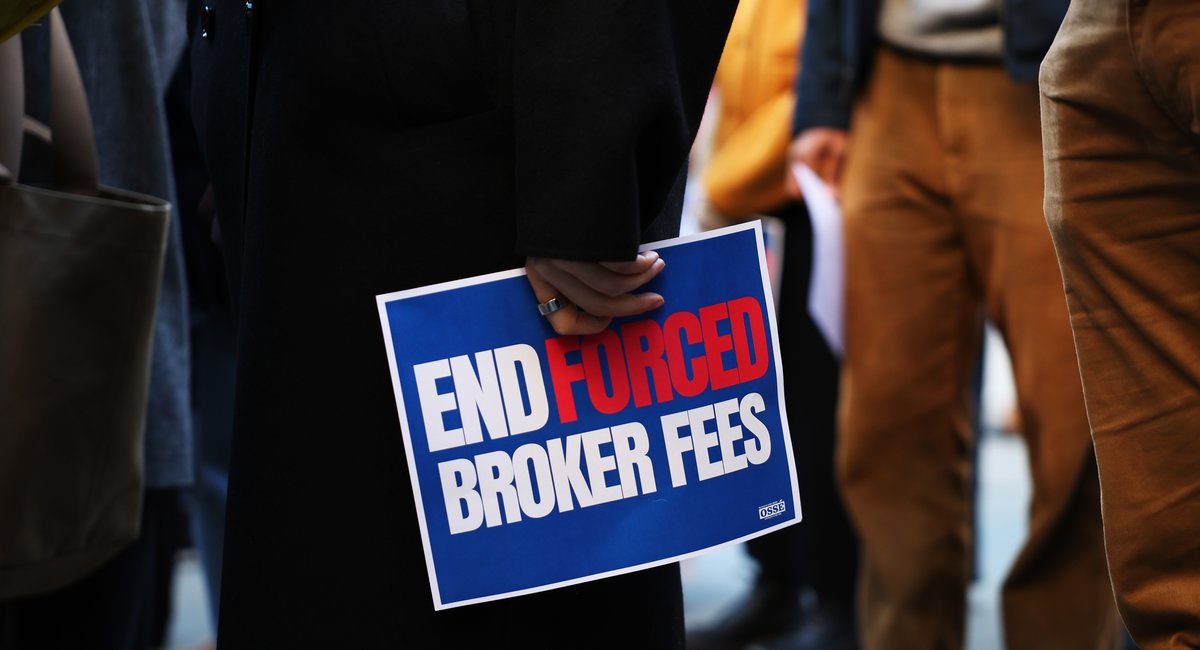
New Yorkers filed more than 1,100 complaints and questions about potential violations of the city’s new broker fee law since the measure took effect four months ago, according to data shared with Gothamist.
Prior to June, New York City renters were often charged a hefty fee, equal to a month’s rent or more, to a broker before signing a lease on a new apartment, even if they found the unit by themselves without any help. That changed after enforcement of the Fairness in Apartment Rental Expenses, or FARE, Act began June 11.
The new measure requires whoever hires the broker to pay their fee and to disclose all upfront costs. Agents or landlords who violate the law could face penalties ranging from $750 to $2,000.
The city Department of Consumer and Worker Protection received at least 1,125 complaints and questions related to the law as of Oct. 7, an agency spokesperson told Gothamist.
Data published online by the city shows dozens of people alleged they were charged a broker fee since the law was first enforced. Hundreds more reported the fees were posted to apartment listings, or that landlords or agents charged them undisclosed fees.
Only a small number of those complaints have so far resulted in penalties.
The agency has issued 25 summonses and settled three cases with brokers, landlords, or property managers for violating the ban on forced broker fees, the data shows. A spokesperson for the consumer protection agency did not respond to requests for more information about the summonses and penalties.
The City Council passed the broker fee legislation last November in an effort to eliminate an onerous upfront expense that added to the high cost of moving and prevented many tenants from leaving their current apartments. The law withstood a legal challenge from the Real Estate Board of New York, an influential lobbying group that represents landlords and brokers, before taking effect in June.
The new data shows many landlords and brokers are still adapting to, and in many cases flouting, the city’s new restrictions on the fees.
Opponents of the new law warned the measure would make rent even less affordable because landlords who pay broker’s fees would pass the expense directly on to tenants over the duration of a lease. Initial data from various listings websites, including StreetEasy, a supporter of the FARE Act, showed only a slight uptick in average rents a month after the ban went into effect.
A September report from the listings site OpenIgloo found rents rose by about 6% over the summer on non-rent stabilized apartments, but noted that tenants still saved significant upfront sums they would have spent on broker fees.
Anna Klenkar, a real estate broker who advocated for the FARE Act, said the volume of complaints shows the industry is still adjusting to the new law.
“Some brokers just never try to follow laws, but even well-meaning ones came into this unprepared,” said Klenkar. “It’s a combination of agents actively disobeying the law, and others who don’t understand it and made mistakes.”
But Real Estate Board of New York spokesperson Christopher Santarelli countered that the large number of FARE Act complaints, with few actual penalties, highlights the “significant confusion around what the law actually regulates.”
Santarelli said REBNY “has provided extensive resources to members to support compliance and requested guidance and clarification” from the city to ensure members follow the law.
He said the organization is still challenging the law in federal appeals court after a judge allowed it to take effect.