
Bay Area Then
Yerba Buena Center for the Arts
August 1, 2025–January 25, 2026
San Francisco, CA
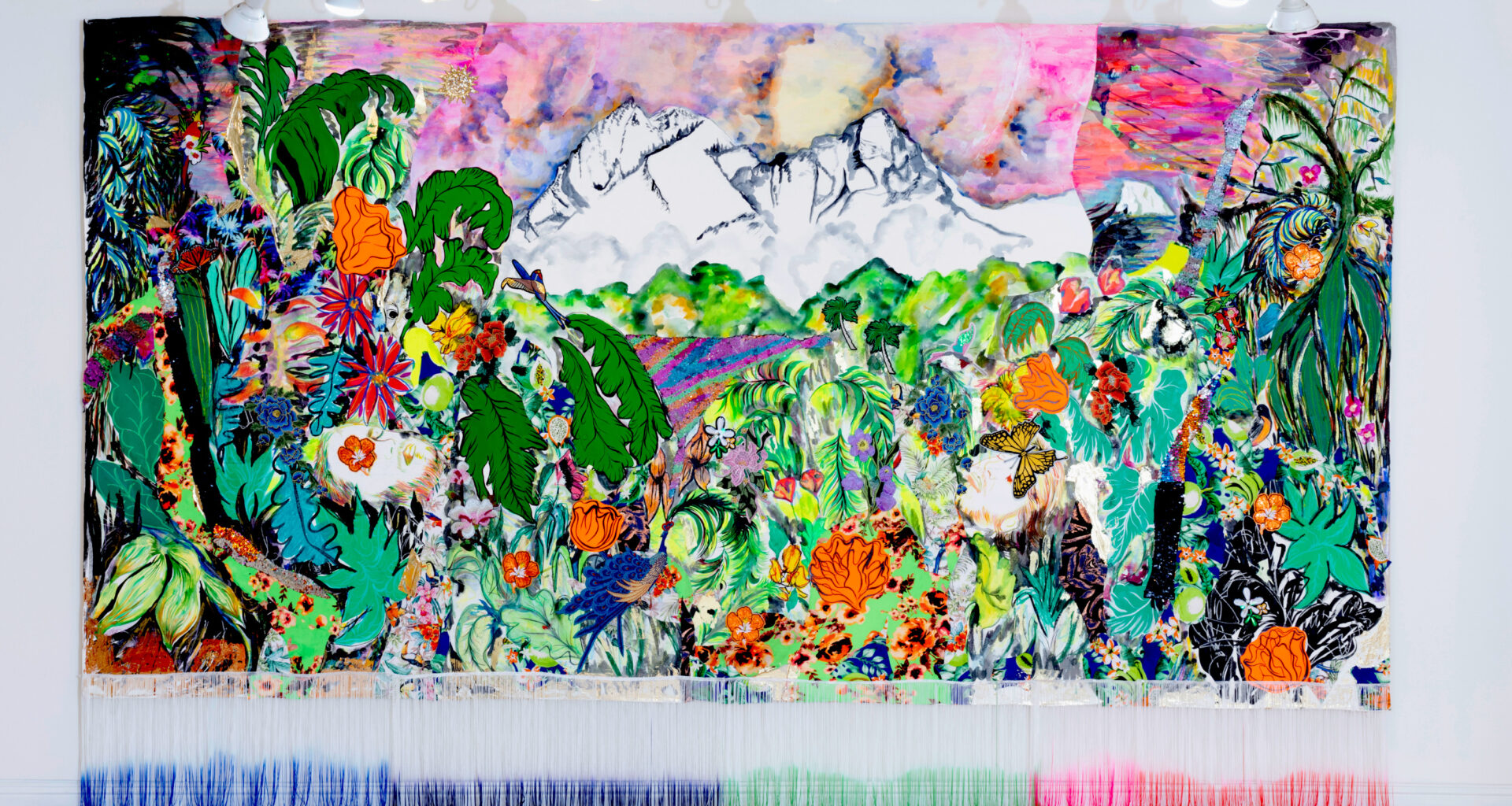
It was the most DIY of times, soon to become the most dot-com of times. Almost by accident, the years between 1990 and 2005 fostered a burgeoning art scene in northern California, remembered here in a mixed bag of an exhibition featuring works by nineteen artists (or artist collaborations). Bay Area Then was gathered by guest curator Eungie Joo, its title a play on the Bay Area Now triennial exhibitions hosted by the Yerba Buena Center for the Arts since 1997. In normal circumstances, a three-decade reevaluation of past artistic glories would seem to be standard curatorial practice. But in this case, the timing seems premature, its result unfocused and half-baked with some debatable inclusions and many obvious omissions. One reason for this lack of focus is that Bay Area Then’s post-punk, post-National Endowment for the Arts generation of artists tended to refuse the presumed need for a collective question animating their projects because there was no longer a right or wrong side of any history to which such questions might be addressed. Why have a big-picture question at all when you could just make art with and for your friends in guileless ways, saluting the East Village artists championed by the 1983 Whitney Biennial or the insular artist communities of the 1950s Beat Era? Answers proliferated, buoyed along by new image-generation technologies or an adamant refusal of them.
Bay Area Then is two mixed bags intermingled into a single exhibition unbuttressed by any explanatory text. One foregrounds works created decades ago while the other emphasizes recent productions made by artists who came into prominence during that time. It was good to be reacquainted with Manuel Ocampo’s work from the early 1990s, reminding us that he did live and exhibit in northern California before returning to his native Philippines. His 1993 oil and collage on canvas work, Die Kreuzigung Christi, stands out for its castigation of hooded murderers wearing the garb of seventeenth-century religious crusaders, eerily anticipating our own troubled times. It stands in sharp contrast to the twee idiosyncrasy of most of the other works in the exhibition: it still looks more now than then. Margaret Kilgallen’s large 2001 installation titled Main Drag is another high point, featuring a layered barrage of ornate signage executed in circus placard script drenched in exaggerated drop shadows. In a way that is part delirious and part terrifying, it captures the feeling of being overwhelmed by cascading layers of incomprehensible language, asking the viewer to simultaneously tune in and tune out. In Bill Daniel’s suite of eight photographs originally taken in 1989 and recently re-printed at large, eight-foot-tall scale, we see a rogues’ gallery of old-timey bicycle messengers captured like crime suspects in harsh frontal illumination, their defiant postures displaying unconventional livelihoods yet to be made obsolete by the advent of PDF files and Docusign.